A clinical trial at Stanford enrolled a patient living in Africa.
He was never physically there.
He had been diagnosed with a rare genetic disorder, and Stanford was running a trial for it. The research team gathered his genetic information and medical records. They monitored him remotely and enrolled him.
The patient was Melissa Bime’s father.
She was working at Stanford as a clinical trial nurse at the time. She had trained as a nurse in Cameroon and moved to the US, where she worked through the COVID vaccine trials.
She says that was the spark. Why not build digital versions of patients and get them into clinical trials.
That’s Infiuss Health.
It builds medical digital twins from real-world and historical data. Trial teams rehearse a protocol across thousands of virtual patients before a single one enrolls.
The twins flag who is likely to drop out mid-study. Who has a comorbidity that affects how the drug performs. Whether two hours of travel to a research site is feasible over two years.
Infiuss reports up to a 30% reduction in sample size and design cycles 10x faster.
During the recent Ebola outbreak, Infiuss helped companies running vaccine trials recruit patients with a specific genetic trait.
Melissa’s long-term view is approval with a hundred patients instead of thousands.
Her focus is small and mid-sized life science companies. Most have one or two drug candidates the entire company hinges on. Infiuss is built to give them more tries.
"AI-Powered clinical rehearsal. Run the trial before you run the trial."
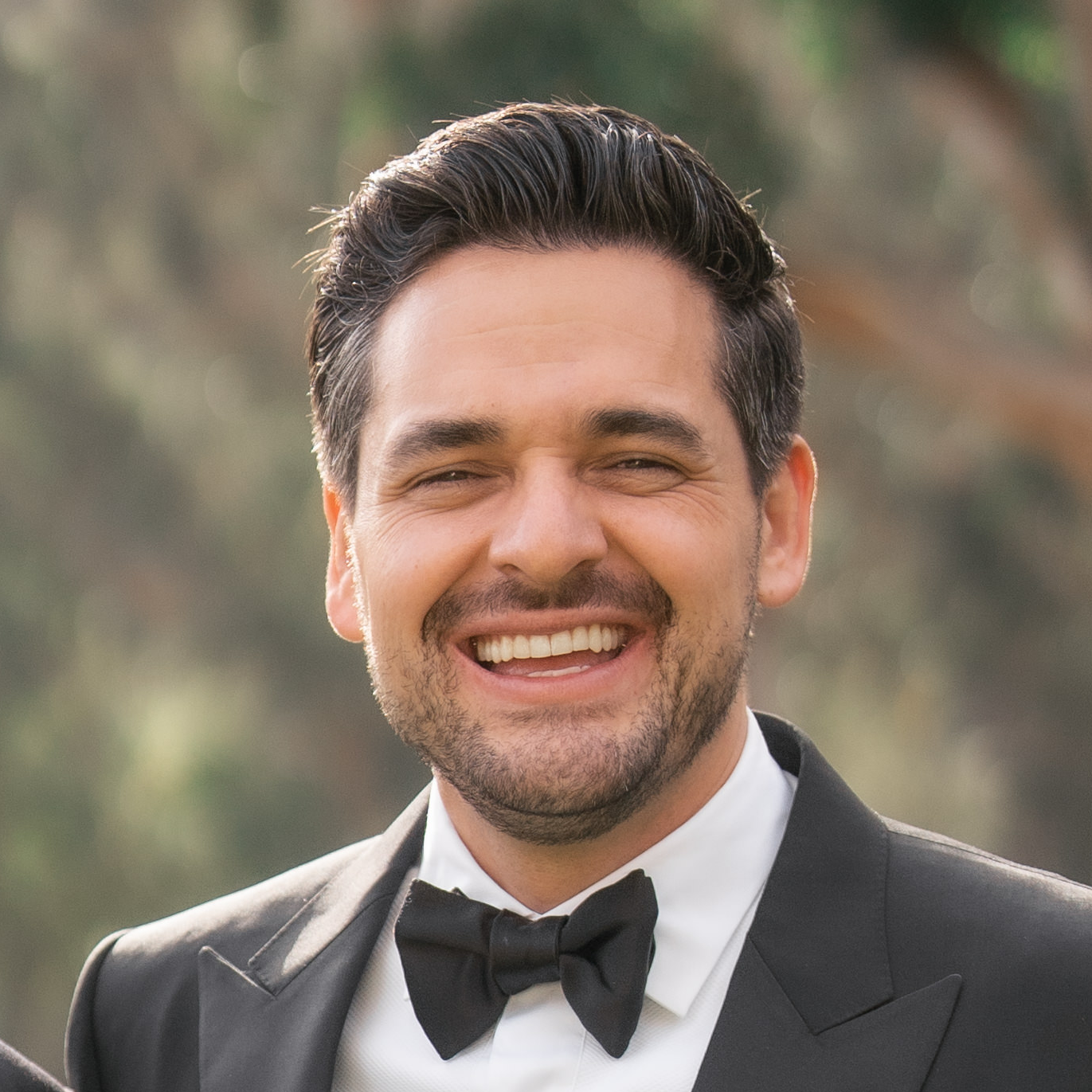
🎙️Melissa Bime, Founder, Infiuss Health on Fondo START
01:29 From nursing school in Cameroon to healthcare entrepreneurship
02:29 The diagnosis that changed everything
04:22 Building computational versions of real patients
05:27 Why clinical R&D costs billions and fails nine times out of ten
06:23 What digital patient twins can predict today
07:35 Cutting roughly six to eight months from the process
08:05 Approval with a hundred patients instead of thousands
08:59 A clinical trial without a control group
09:50 Why smaller life science companies need more chances to fail
10:21 “You shouldn’t have to go out of business ’cause you failed a clinical trial”
10:55 Finding the right genetic trait during the Ebola outbreak
Check out infiuss.com
Lorem ipsum dolor sit amet, consectetur adipiscing elit. Suspendisse varius enim in eros elementum tristique. Duis cursus, mi quis viverra ornare, eros dolor interdum nulla, ut commodo diam libero vitae erat. Aenean faucibus nibh et justo cursus id rutrum lorem imperdiet. Nunc ut sem vitae risus tristique posuere.

Built for Delaware C-Corps. Trusted by 2,000+ startups.












Copyright © Fondo (BloomJoy, Inc.)