ChemPilot.ai is building a laboratory because its software needs evidence that cannot be generated on a screen. The startup is combining computational materials research with physical experiments, aiming to shorten the time between proposing a candidate and learning whether it works.
The company’s launch describes an initial lab where robots already work alongside scientists. Full autonomy remains a goal. ChemPilot says it is automating the operation in stages, rather than presenting the facility as an entirely independent robotic lab today.
Its initial programs cover polymers, coatings, resins and composites. The broader business targets critical industrial and defense materials, with an eventual ambition to manufacture products as well as discover them. The announcement does not establish that those manufacturing capabilities are already in place.
Watch ChemPilot’s original launch video
The central constraint is experimental feedback. ChemPilot says useful data was either held inside other organizations or had not been collected at all. Depending on outside laboratories made it difficult to test ideas at the pace the founders wanted.
Its own lab is intended to change that relationship. Results from physical tests, including failed attempts, can inform the next round of work. That gives the company a reason to own the process of generating evidence, rather than only building software that searches existing literature.
The company website puts particular emphasis on rejecting unsuitable candidates before they reach a laboratory. It describes screening for practical feasibility as well as predicted properties, acknowledging that an appealing computational result may be difficult to make or unsuitable for an expensive experiment.
That is an important distinction in the business model. Generating more ideas has limited value when each physical test consumes scarce time and resources. The selection process has to be useful enough to improve what enters the lab, while the lab has to return consistent information that improves future selection.
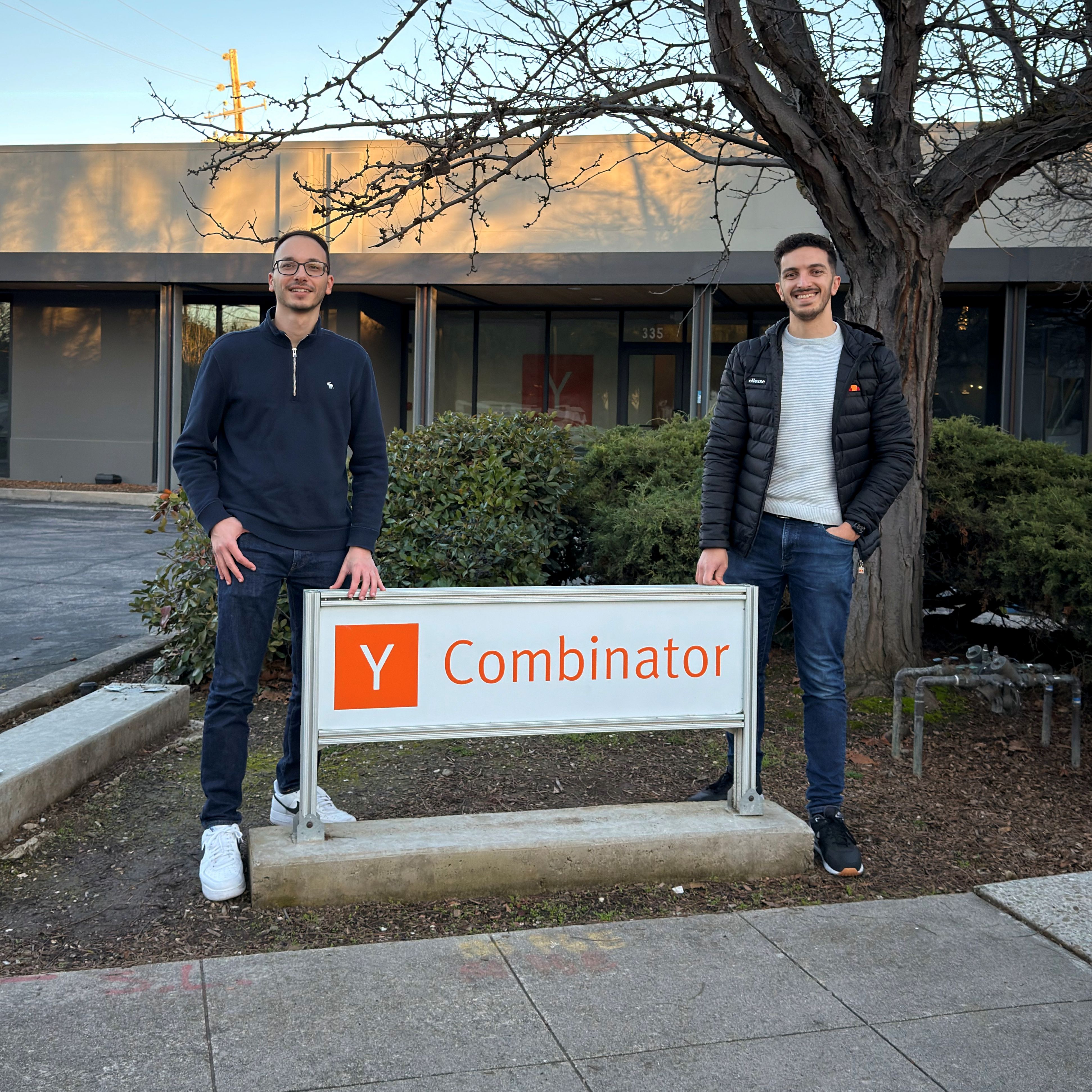
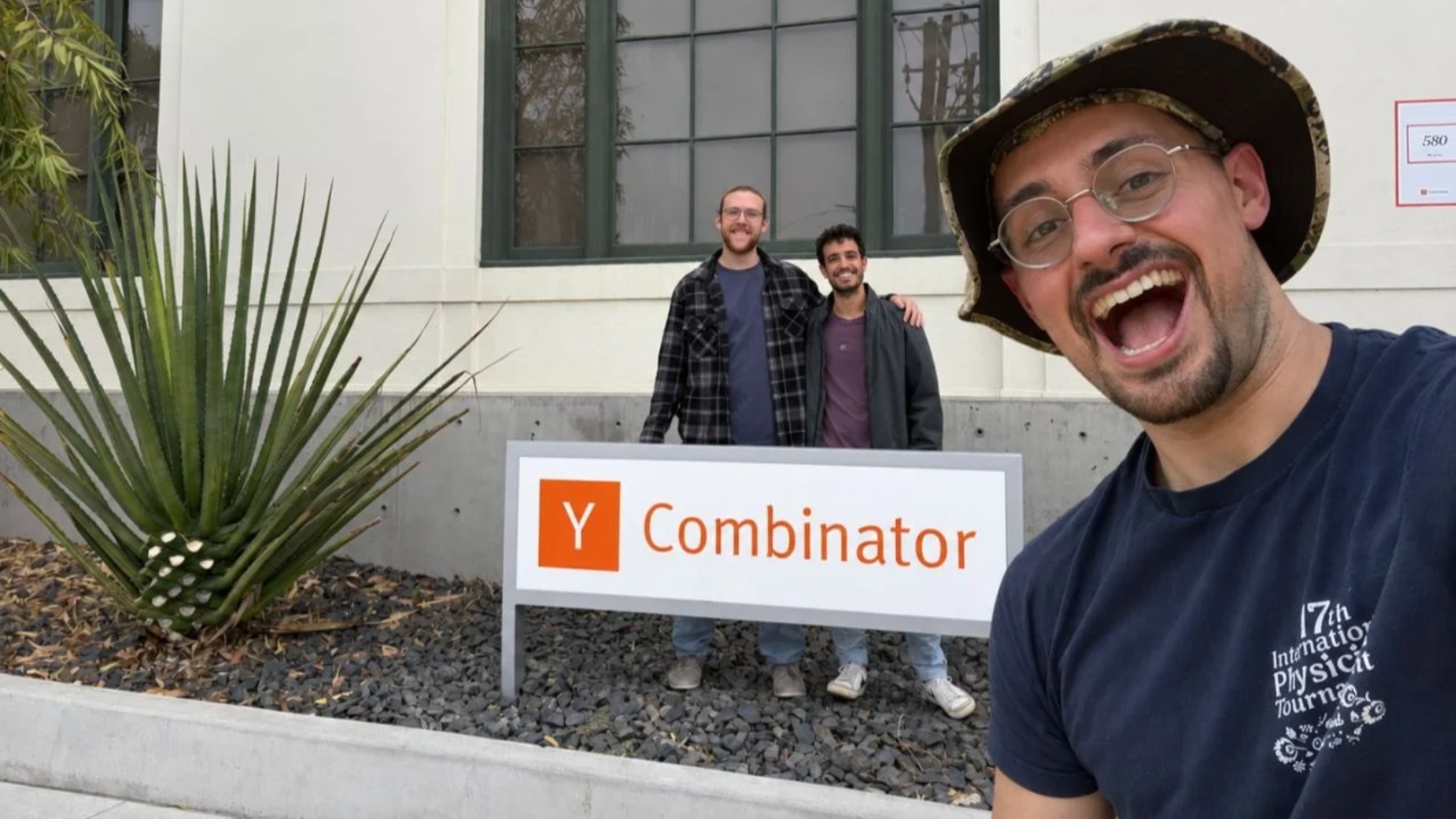
Founders Sam Cogan and Ofir Simhi developed the research at Technion in the laboratory of chief scientific officer Alon Grinberg Dana. Maor Goldman later joined the effort. ChemPilot is part of Y Combinator’s Fall 2026 batch.
Cogan’s public YC profile lists a master’s degree in biochemical engineering from Technion. Simhi combines biochemical engineering training with software experience at Skiff and StoreMaven. Goldman’s company profile identifies a computer-engineering background. That mix reflects the company’s need to connect scientific work with software and physical automation.
The public launch does not name commercial customers, disclose revenue or provide an independently verified comparison of development timelines. Its strongest concrete milestone is the operating first lab, with further automation still ahead.
For ChemPilot, progress will depend on whether that lab produces reliable evidence quickly enough to influence the next experiment. Owning both the computational and physical work gives it a direct way to test that proposition.
Lorem ipsum dolor sit amet, consectetur adipiscing elit. Suspendisse varius enim in eros elementum tristique. Duis cursus, mi quis viverra ornare, eros dolor interdum nulla, ut commodo diam libero vitae erat. Aenean faucibus nibh et justo cursus id rutrum lorem imperdiet. Nunc ut sem vitae risus tristique posuere.

Built for Delaware C-Corps. Trusted by 2,000+ startups.












Copyright © Fondo (BloomJoy, Inc.)