.png)

If you’re building voice AI agents and want a faster, smarter way to test and improve them, the founders would love to connect! Email here or book a time here.

(Replay real calls without picking up the phone.)
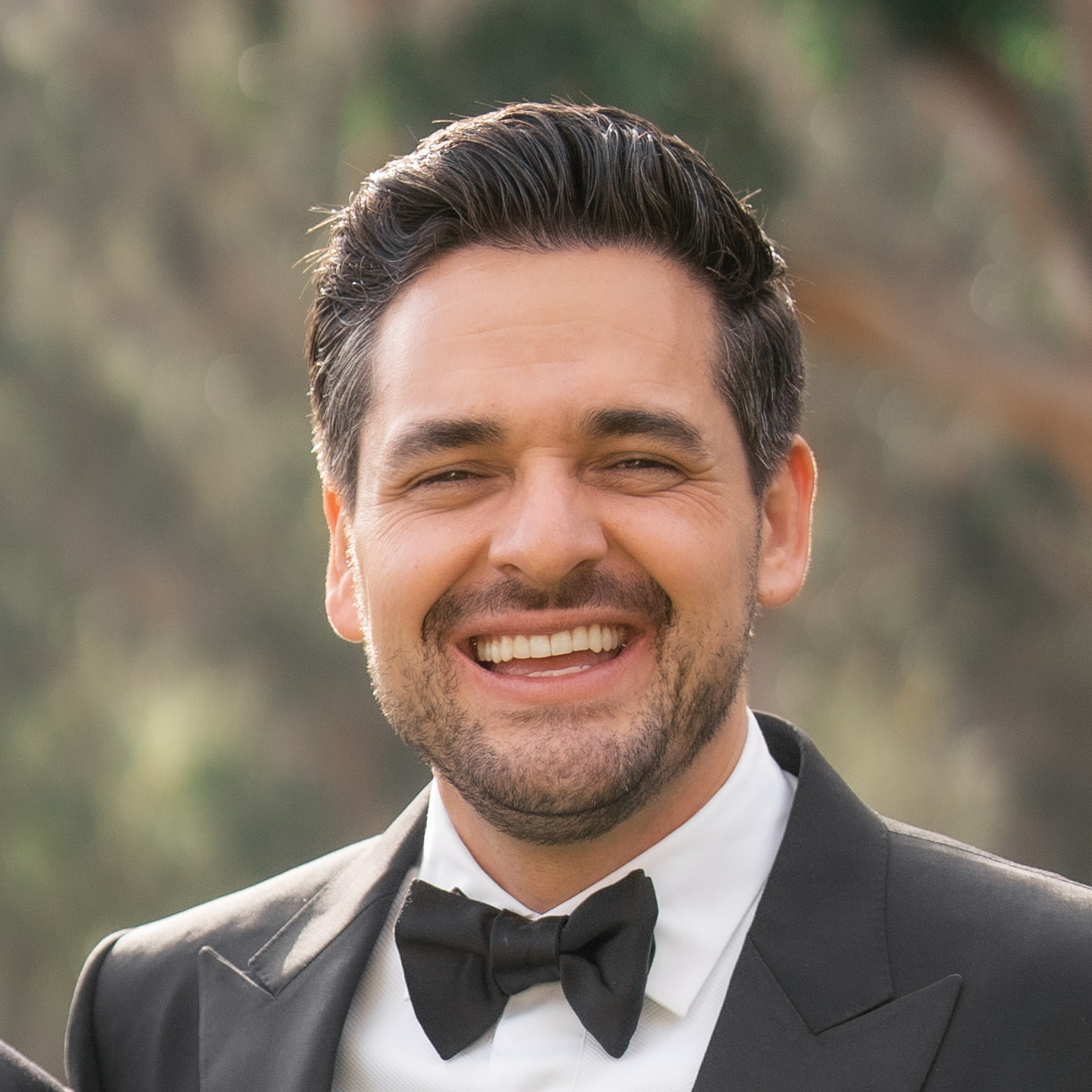
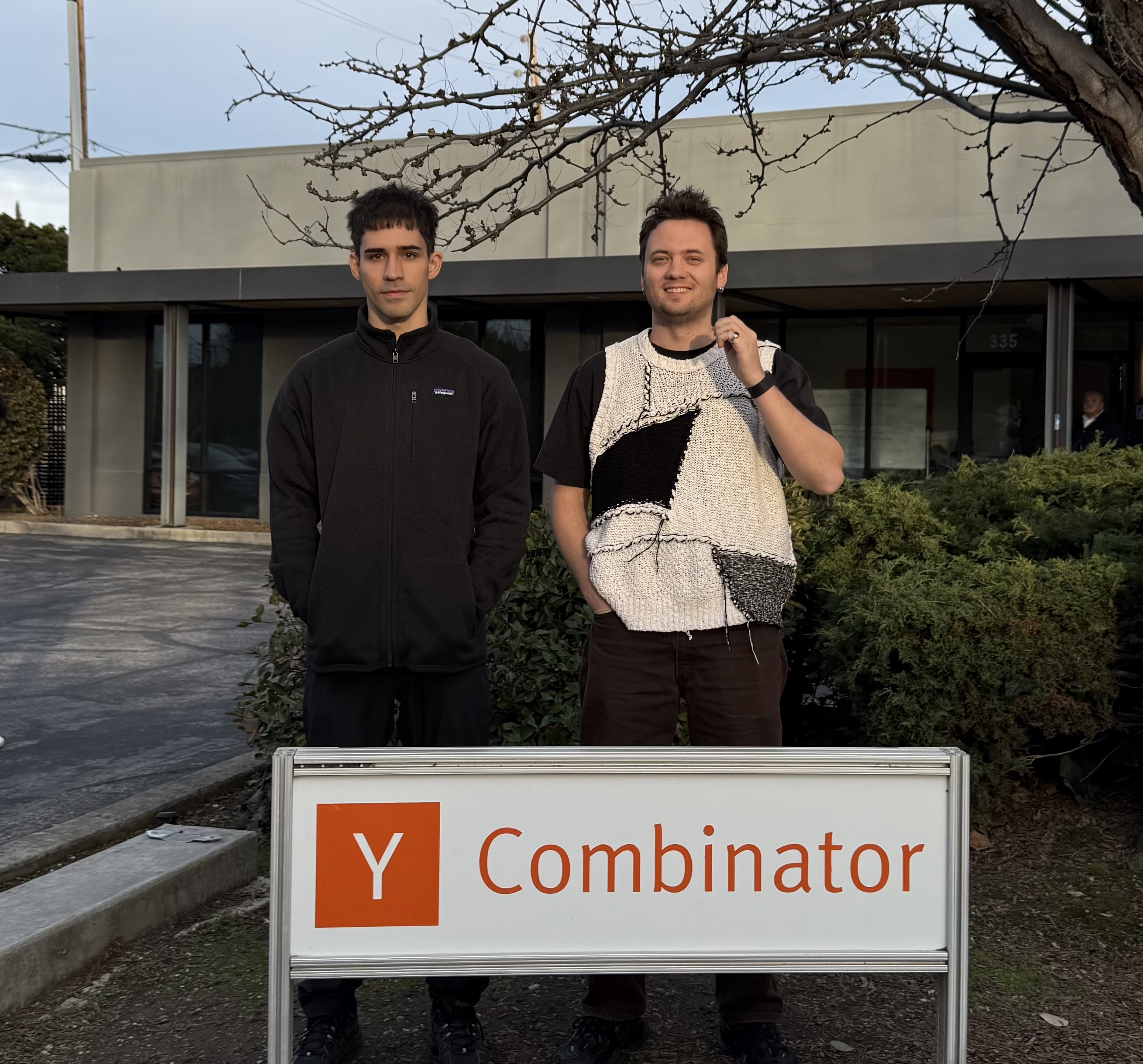
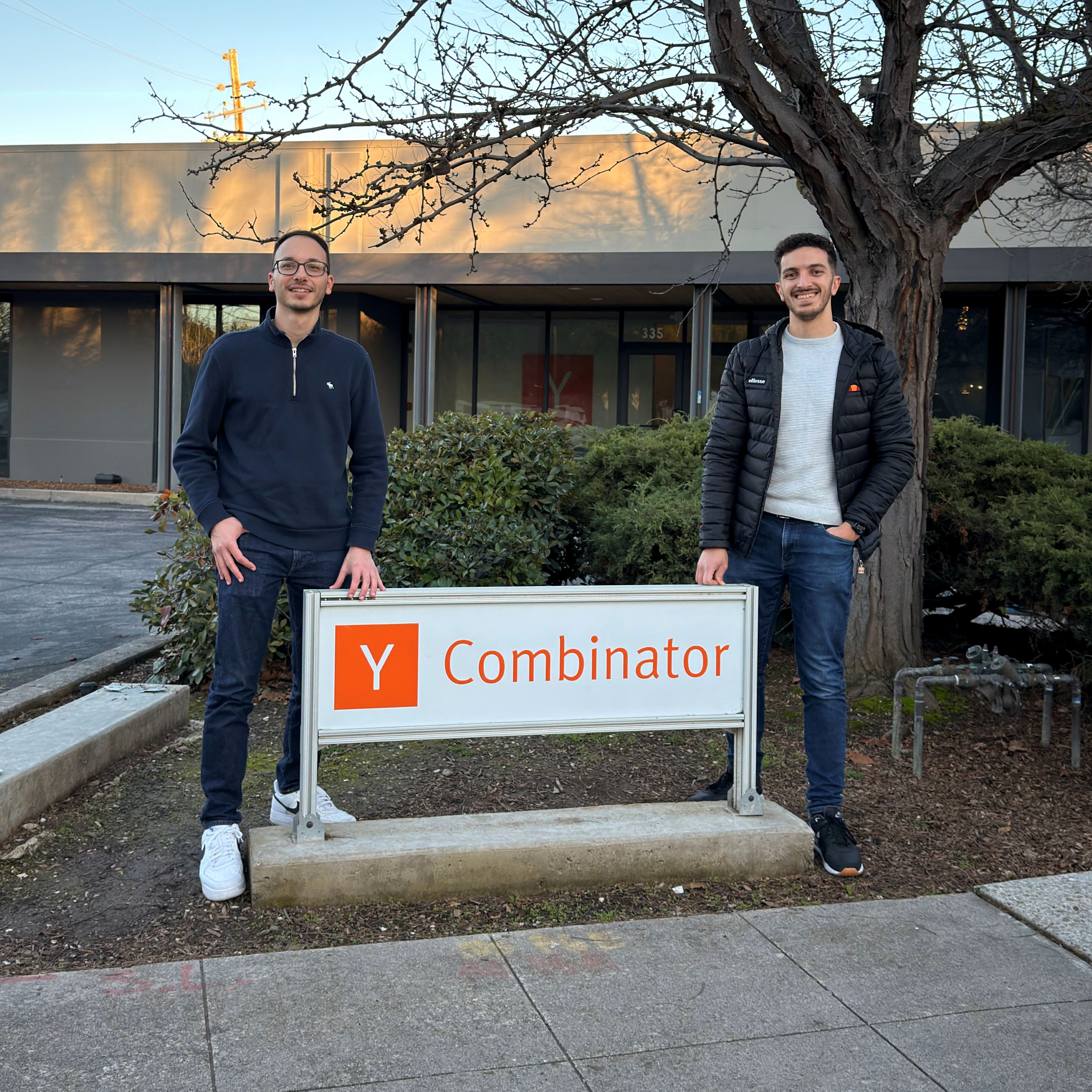
Founded by James Zammit & Daniel Gauci
The founders are engineers who have built and scaled complex systems at high-growth companies:
James Zammit (CEO) – Infra and AI engineer with 10+ years of experience. Previously at AngelList, where he worked on core infrastructure as the company scaled from $10B to $124B in assets under management and led the development of Relay, an AI-powered portfolio manager. Co-founded three startups, one of which partnered with Firebase and was showcased at Google I/O 2016.
Daniel Gauci (CTO) – Software engineer with 10+ years of experience. Previously at Akiflow (YC S20) as part of the mobile development team, helping the company reach $1.5M ARR and 10,000+ customers. Spent 7 years at Casumo, leading the development of the mobile app used by millions of players helping the company reach $50M+ ARR.
Once a voice agent is live, teams have no easy way to test updates. Every time you tweak a prompt or logic, you have to manually call the bot, hoping to catch issues before customers do.
Voice AI teams, especially in healthcare, legal, and customer support need real-world validation for every change they ship. But existing testing tools rely on scripted test cases that don’t reflect real interactions, leading to blind spots and regressions.
Roark lets you replay real production calls against your newest AI logic, so you can test changes before they go live. No more manually dialing your bot or relying on outdated scripted tests - get real-world validation instantly.
How It Works:
Roark gives AI teams the same confidence in testing, iteration, and monitoring that software engineers had for years with modern dev tools.
Check out the demo below!
https://youtu.be/eu8mo28LsTc?feature=shared
The founders first ran into this problem while building a voice agent for a dental clinic. Patients kept reporting issues, getting stuck in loops, failing to confirm insurance, or receiving irrelevant responses. But the only way to test fixes was to call the bot themselves or read through hundreds of transcripts, hoping to spot patterns. It was frustrating, slow, and unreliable.
After talking to other teams working on Voice AI, they realized this problem was universal - everyone was struggling to validate their AI’s performance efficiently. That’s when the team decided to build Roark.
Lorem ipsum dolor sit amet, consectetur adipiscing elit. Suspendisse varius enim in eros elementum tristique. Duis cursus, mi quis viverra ornare, eros dolor interdum nulla, ut commodo diam libero vitae erat. Aenean faucibus nibh et justo cursus id rutrum lorem imperdiet. Nunc ut sem vitae risus tristique posuere.

Built for Delaware C-Corps. Trusted by 2,000+ startups.












Copyright © Fondo (BloomJoy, Inc.)