Audora wants a conversation in an audiobook to sound like several characters speaking, rather than one narrator switching parts. The service turns a story link or uploaded file into audio with distinct character voices alongside the narration.
The product starts by determining who is speaking. According to its YC profile, Audora assigns voices to the characters and lets the reader begin listening while the remaining audio is still being generated. Consistency across a story is part of the company’s stated focus.
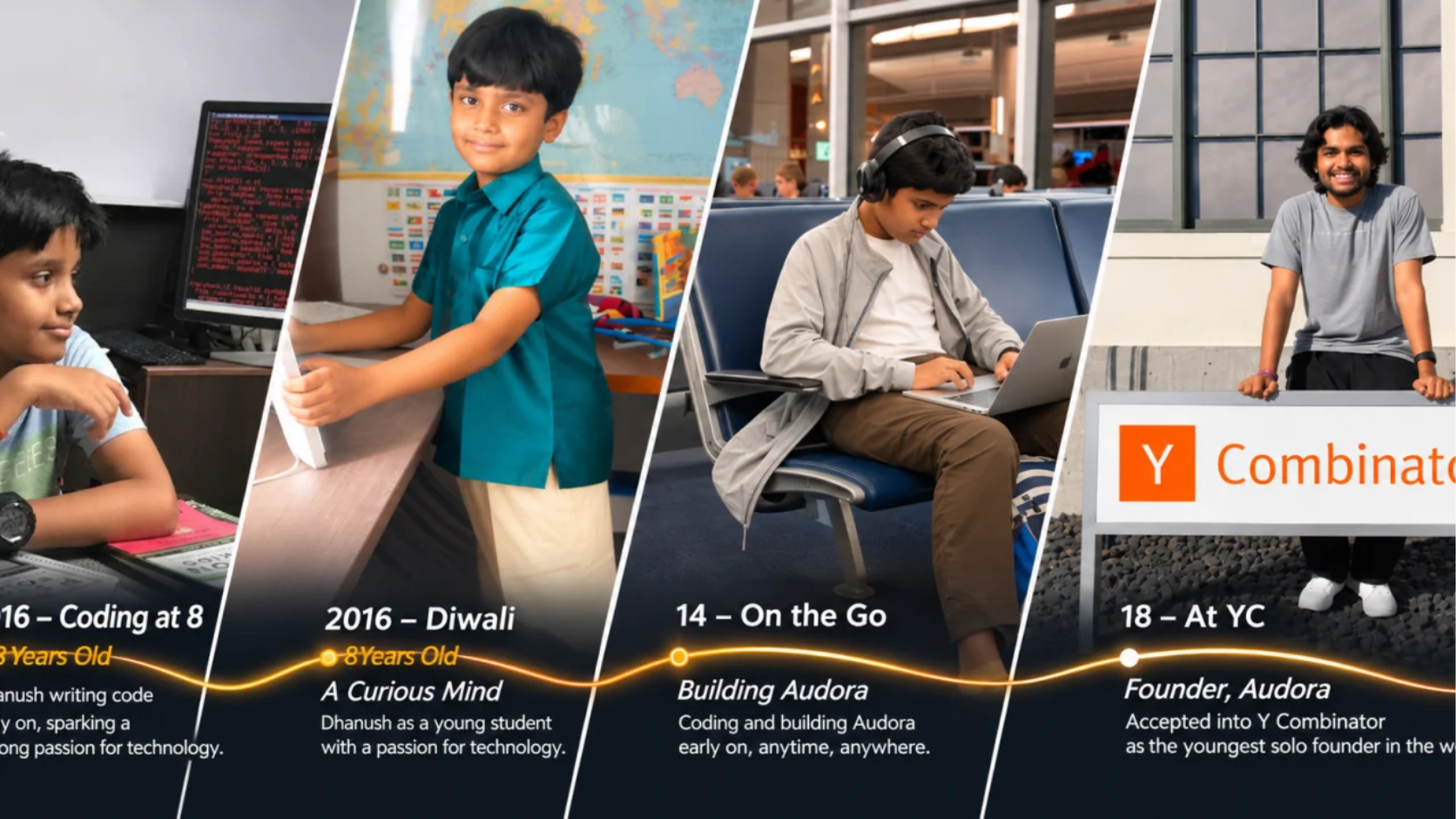
Its founder, Dhanush R, comes from the fanfiction communities he hopes to serve. In the launch announcement, he describes building a fanfiction platform as a teenager before joining Y Combinator straight out of high school. Audora belongs to the Fall 2026 batch.
Watch Audora’s original launch demonstration.
The company reports a waitlist of 10,000 readers and authors at launch. That indicates stated interest, not paid customers or evidence that listeners finish the resulting audiobooks. Audora also offers an initial preview without requiring an account, according to the announcement.
A multi-voice workflow introduces a different set of choices from simply reading text aloud. The system must assign dialogue correctly, retain the same voice for a recurring character and handle passages where the speaker is implied. Those details shape whether a listener can follow the scene.
The launch makes an ambitious claim about converting stories easily, but does not describe its licensing arrangements or establish permissions for every text a reader might upload. Access to a story is separate from the right to reproduce or distribute an audio version. That remains a material consideration for authors and publishers evaluating the service.
The founder’s previous audience was for a different product. Dhanush says a fanfiction platform he built at 16 reached a million visits in a month. He also reports publishing Python and Rust libraries with more than 65,000 downloads before starting Audora. Those figures describe earlier projects, not adoption of the audiobook service.
The launch offers a free first preview without requiring an account. That gives prospective listeners a narrow way to evaluate the central promise: whether the generated cast makes a particular story more enjoyable. It does not establish a final price for full books or the terms under which an author can distribute a finished recording.
Audora’s early appeal is clearest for readers who already know a story’s cast. The product has to preserve those distinctions over more than a short sample. A strong preview can demonstrate a voice; a complete book will test whether the system keeps the same characters recognizable from the first conversation to the last.
Lorem ipsum dolor sit amet, consectetur adipiscing elit. Suspendisse varius enim in eros elementum tristique. Duis cursus, mi quis viverra ornare, eros dolor interdum nulla, ut commodo diam libero vitae erat. Aenean faucibus nibh et justo cursus id rutrum lorem imperdiet. Nunc ut sem vitae risus tristique posuere.

Built for Delaware C-Corps. Trusted by 2,000+ startups.












Copyright © Fondo (BloomJoy, Inc.)