Verdun is building a remote video-monitoring service in which AI reviews camera alarms before they reach a human operator. The company's agents assess the activity and its context, dismiss apparent false alarms with a recorded reason and escalate suspected threats to people trained on the property's response procedures.
The pitch is about the queue as much as the camera. Commercial sites can generate large numbers of alerts from ordinary movement, while monitoring centers have a limited number of operators. Verdun argues that filtering those events first gives human staff more attention to spend on incidents that warrant a response.
Its launch describes a sequence with a clear division of labor. The agent evaluates whether activity is normal for that location and time. If it flags a threat, an operator reviews the live view and decides whether to issue a warning, contact the customer's team or coordinate police or guard dispatch. AI voice agents and human operators can also speak through speakers installed at the site.
That human decision point is central to the service. Verdun isn't describing a camera model that independently decides when to send police. Its stated workflow uses software for triage and trained operators for confirmation and response.
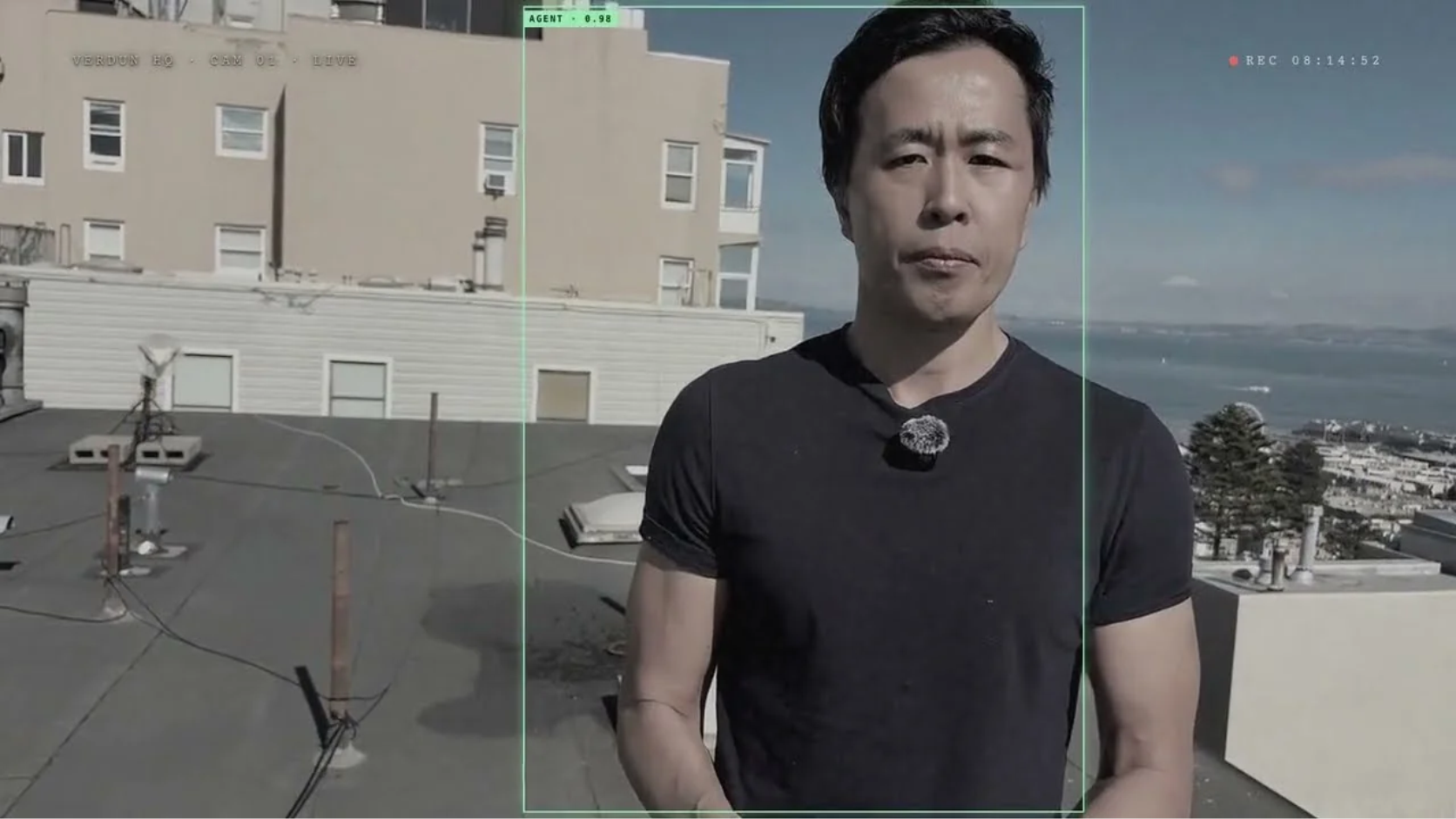
Watch the original Verdun launch video.
The company says customers receive information about camera health, incident categories and response times, along with a log of agent and operator decisions. Recording why an alert was dismissed could make the service easier to review than an unexplained stream of filtered notifications, although the announcement doesn't provide independent audit results.
Verdun's website shows examples of how the system might distinguish routine maintenance from a possible vehicle break-in. Those scenes are labelled illustrative, including simulated people and classifications. They explain the intended workflow, rather than serving as evidence of performance at a deployed customer site.
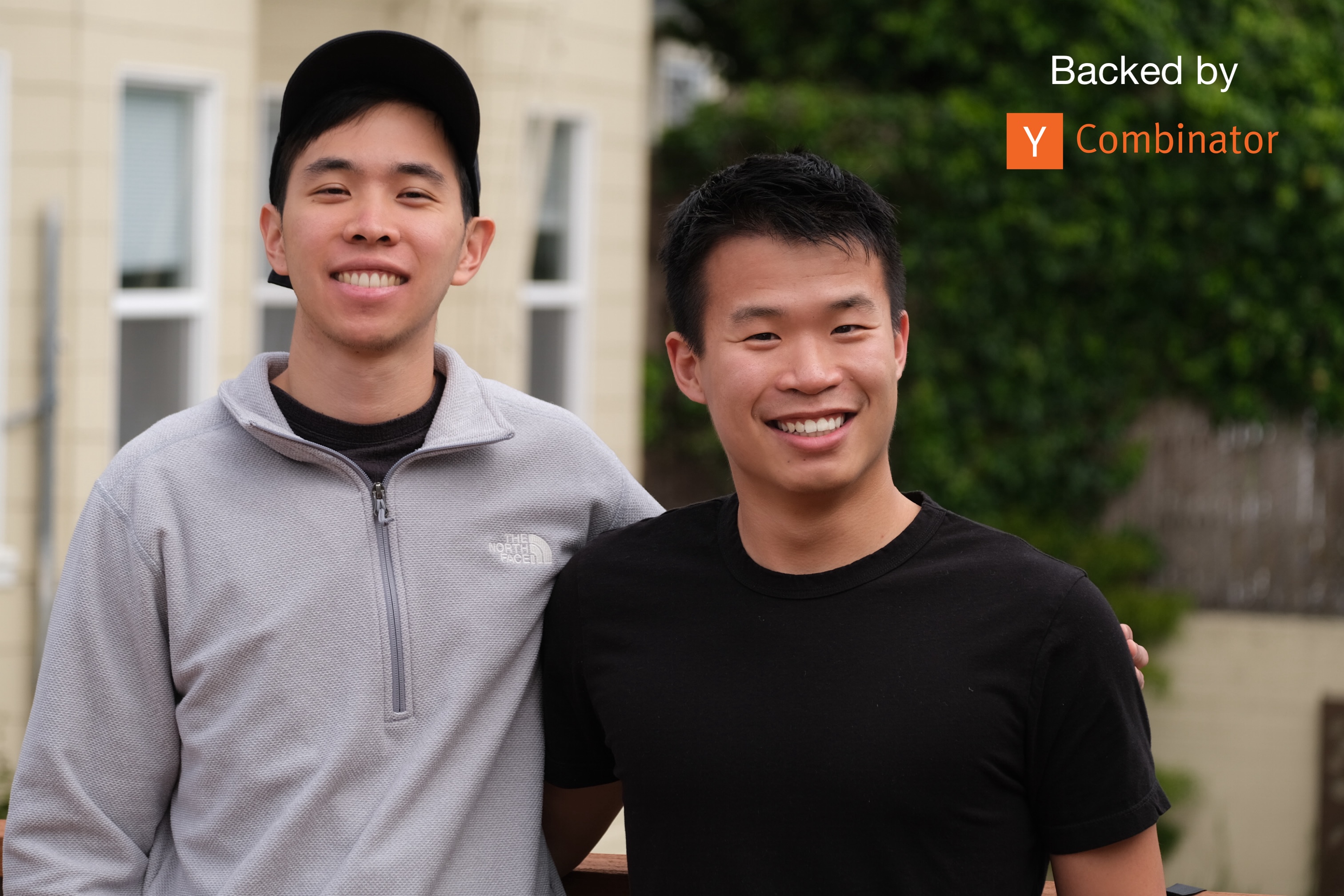
Founders Sonny Tai and Tung Thanh Hoang bring experience in computer vision and AI systems. Tai previously led Actuate, a physical-security computer vision company, for seven years. In Verdun's launch, he says that business reached more than 100,000 cameras. That figure describes his previous company, not Verdun's current deployment.
Tai is also a former U.S. Marine Corps officer. Hoang has a doctorate in applied mathematics and previously worked at LinkedIn, VergeSense and WeWork, according to the company's public materials. Verdun is part of Y Combinator's Fall 2026 batch.
The announcement doesn't disclose how many sites Verdun currently monitors, its revenue or measured false-positive and missed-threat rates. Those omissions leave the operating model clearer than its performance record. A system that reduces a queue still needs to demonstrate that it isn't removing the event an operator most needs to see.
For now, the startup is seeking introductions to businesses with multiple camera-equipped locations, especially car dealerships, and to dealers and integrators that sell monitoring services. Its proposed service is straightforward to describe: review the noise automatically, preserve a decision trail and put a person on the suspected threat. The demanding part is maintaining that distinction when a busy site's alarms arrive all at once.
Lorem ipsum dolor sit amet, consectetur adipiscing elit. Suspendisse varius enim in eros elementum tristique. Duis cursus, mi quis viverra ornare, eros dolor interdum nulla, ut commodo diam libero vitae erat. Aenean faucibus nibh et justo cursus id rutrum lorem imperdiet. Nunc ut sem vitae risus tristique posuere.

Built for Delaware C-Corps. Trusted by 2,000+ startups.












Copyright © Fondo (BloomJoy, Inc.)