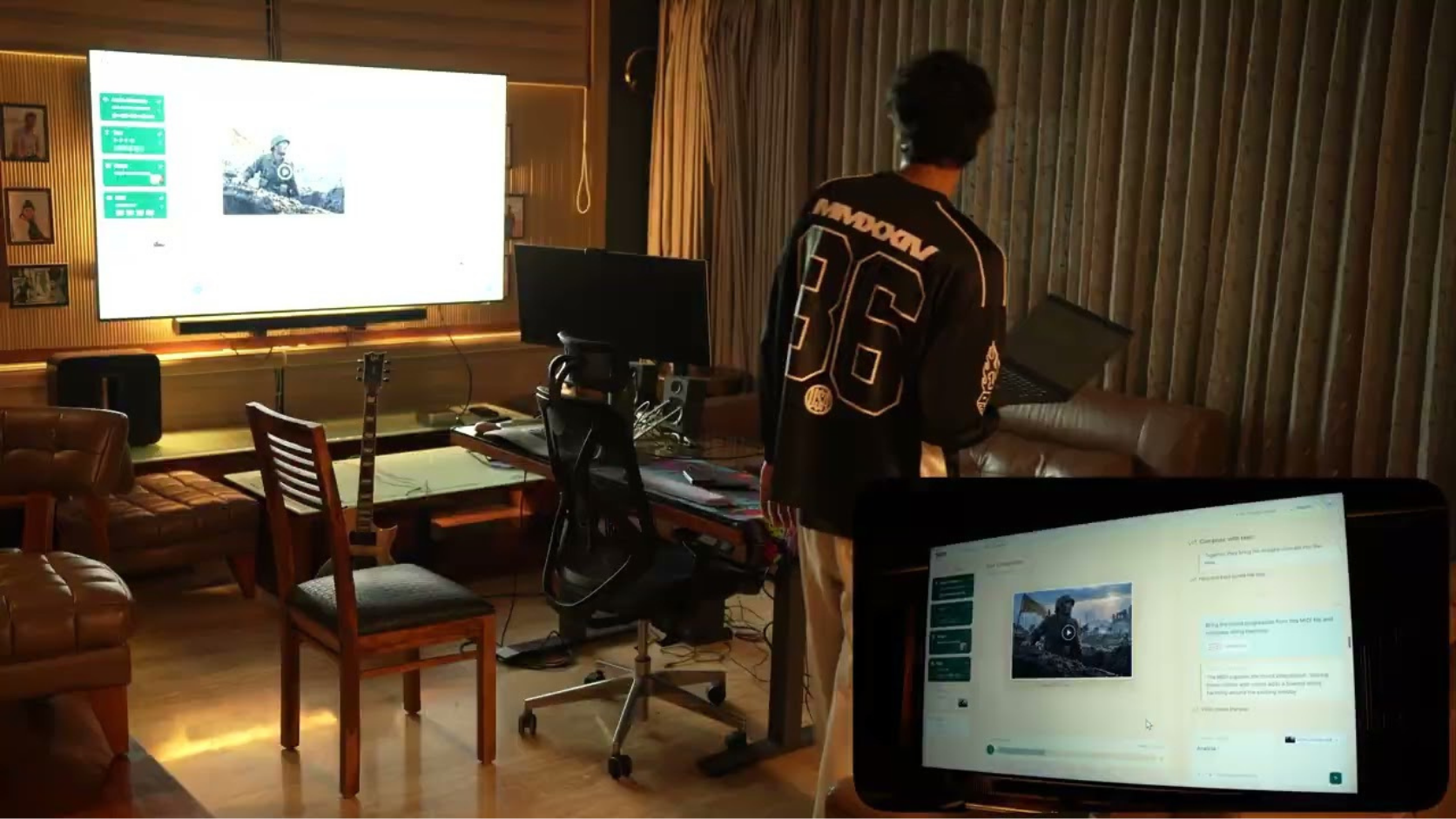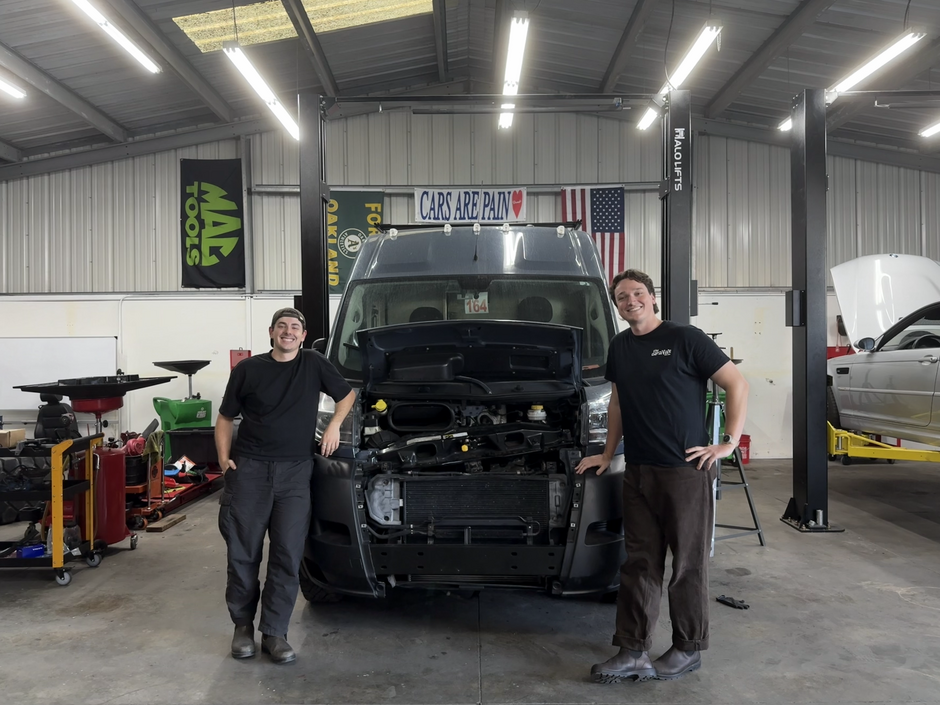
Rodeo Robotics wants to put autonomous machines to work on the vehicles that other autonomous systems depend on. Its maintenance robot is designed to inspect vehicles, help diagnose faults and perform selected service tasks, while calling a human technician when it reaches a limit.
The Fall 2026 Y Combinator company says customer deployments will begin in January 2027. That makes the current launch a preview of supervised shop operations, not evidence that robots are already replacing technicians across commercial service centers.
Founders Michael Hazard and Colby Duke met at Applied Intuition, where they worked on bringing software and autonomy to vehicles and heavy equipment. They describe seeing how much diagnostic and maintenance work was required to keep test and data-collection fleets operating. Rodeo applies autonomy to that supporting work rather than to driving.
The launch divides the system into inspection, diagnosis, service and escalation. Inspections cover areas such as tires, fluids, electrical systems, brakes and body condition. Diagnosis combines vehicle data with service manuals and information from previous maintenance jobs. Service includes tasks such as oil changes.
Escalation is part of the proposed operating model, not an exception the company says it has eliminated. Rodeo says its robots involve technicians when a task is unsupported, a condition is dangerous or confidence in the next action is low. The intended outcome is for one technician to supervise work across multiple vehicles while concentrating on problems the machines cannot handle.
Watch Rodeo Robotics' original launch video. The company also published a washer-fluid top-up demonstration shown at four times normal speed.
Rodeo reports that its robots operate autonomously 96% of the time on initial tasks. The announcement does not give enough detail about the task set, sample size or measurement method to generalize that number to every vehicle or repair. It is a company-reported result for early work, not a claim of universal repair capability.
The first customer deployments will keep technicians in the loop. Those workers are expected to supervise, step in when a robot gets stuck and provide examples that can improve later iterations. Rodeo says its software learns from both robot experience and observing technicians.
The hardware strategy is similarly pragmatic. The company uses off-the-shelf components where possible and designs custom hardware when a task requires it. Its website describes a robot intended to fit existing service bays, with a software layer that monitors work and exchanges work orders and results with shop systems.
Rodeo's target customers maintain vehicles across rental, delivery, trucking, transit and other fleet operations. The pitch is additional shop capacity without requiring every routine job to consume the full attention of an experienced technician.
Hazard previously worked in product management at Google, while Duke was an engineer at Uber, according to the launch. Their company's challenge now is less about a compelling demonstration than consistent performance in a service bay: handling variation, stopping safely and producing work a technician can verify. January's planned deployments will begin testing whether that supervised approach can improve throughput without creating more work than it removes.
Lorem ipsum dolor sit amet, consectetur adipiscing elit. Suspendisse varius enim in eros elementum tristique. Duis cursus, mi quis viverra ornare, eros dolor interdum nulla, ut commodo diam libero vitae erat. Aenean faucibus nibh et justo cursus id rutrum lorem imperdiet. Nunc ut sem vitae risus tristique posuere.

Built for Delaware C-Corps. Trusted by 2,000+ startups.












Copyright © Fondo (BloomJoy, Inc.)