A soundtrack can be pleasant and still be wrong for the scene. Taan.ai is building a music-generation model around a more exacting requirement: change the music when the filmmaker asks, including at a specific moment in a video.
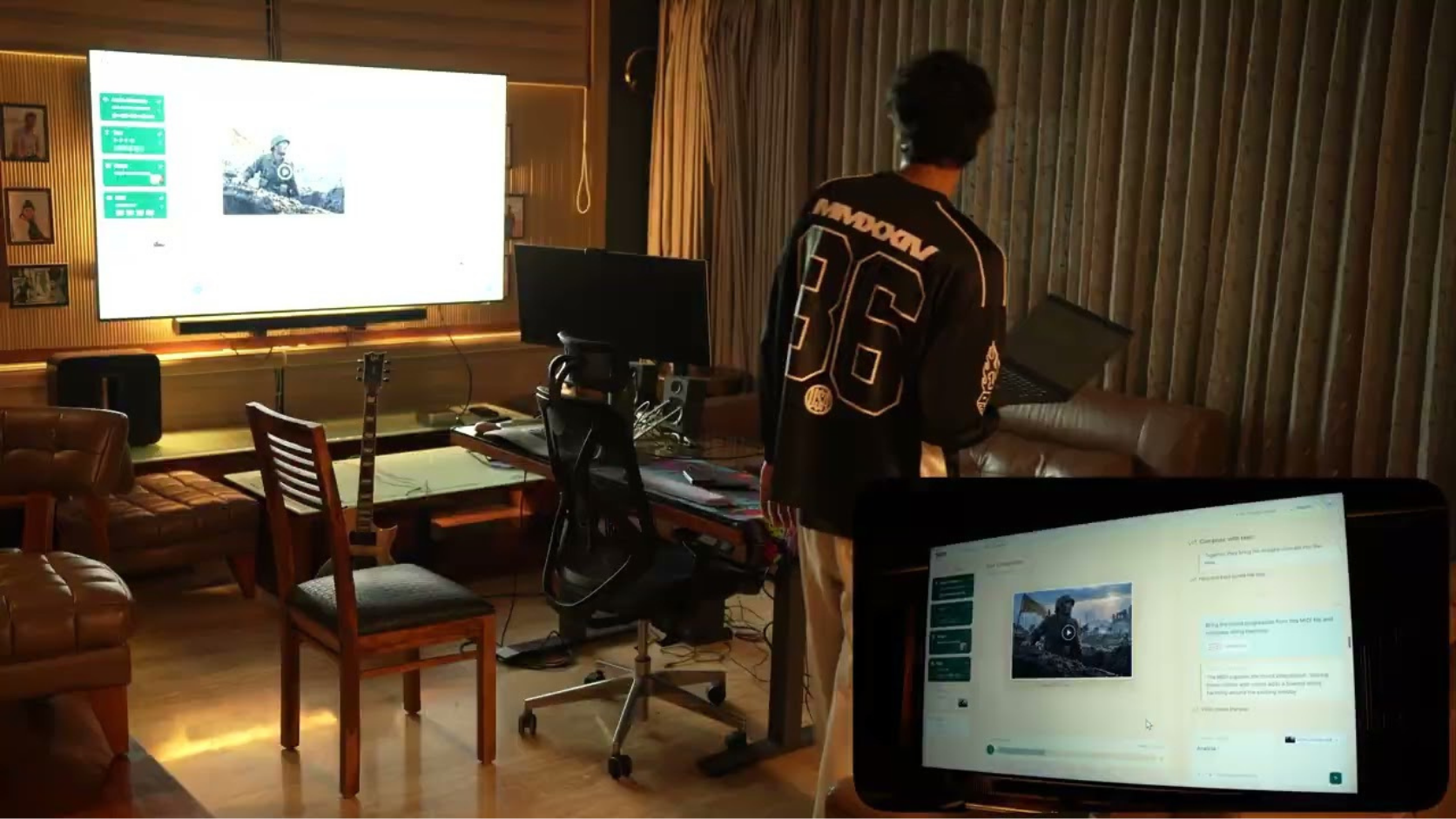
The startup's initial focus is scoring video. A user can supply footage and let the system infer its cuts and mood, or give explicit directions about timing and instruments. The product also accepts other inputs, including reference audio, scripts and MIDI, according to its launch announcement.
The important distinction is editing control. Taan says a user can change one instrument or move an event earlier without discarding the rest of a track. For a creator who already likes most of a score, that is a more practical workflow than repeatedly generating a new piece and hoping the next version fits.
Watch Taan.ai's original launch video.
Its website illustrates the idea with a sequence that moves from tension to silence to an uplifting passage. Separate stems can be downloaded, so the generated result need not remain a single inseparable audio file. Developers can access the product through an API or Model Context Protocol integration.
Taan's first preview concentrates on orchestral and cinematic music. The company says more genres are planned. That qualification matters: the launch presents a focused scoring product, not evidence that the model handles every musical style equally well.
The company also published its own timing benchmark. It reports evaluating 250 prompts and measuring instruction success and whether events landed within a specified timing window. Taan says it outperformed the other models it tested. These are company-run results, not an independent ranking, and they measure a particular form of control rather than overall musical quality.
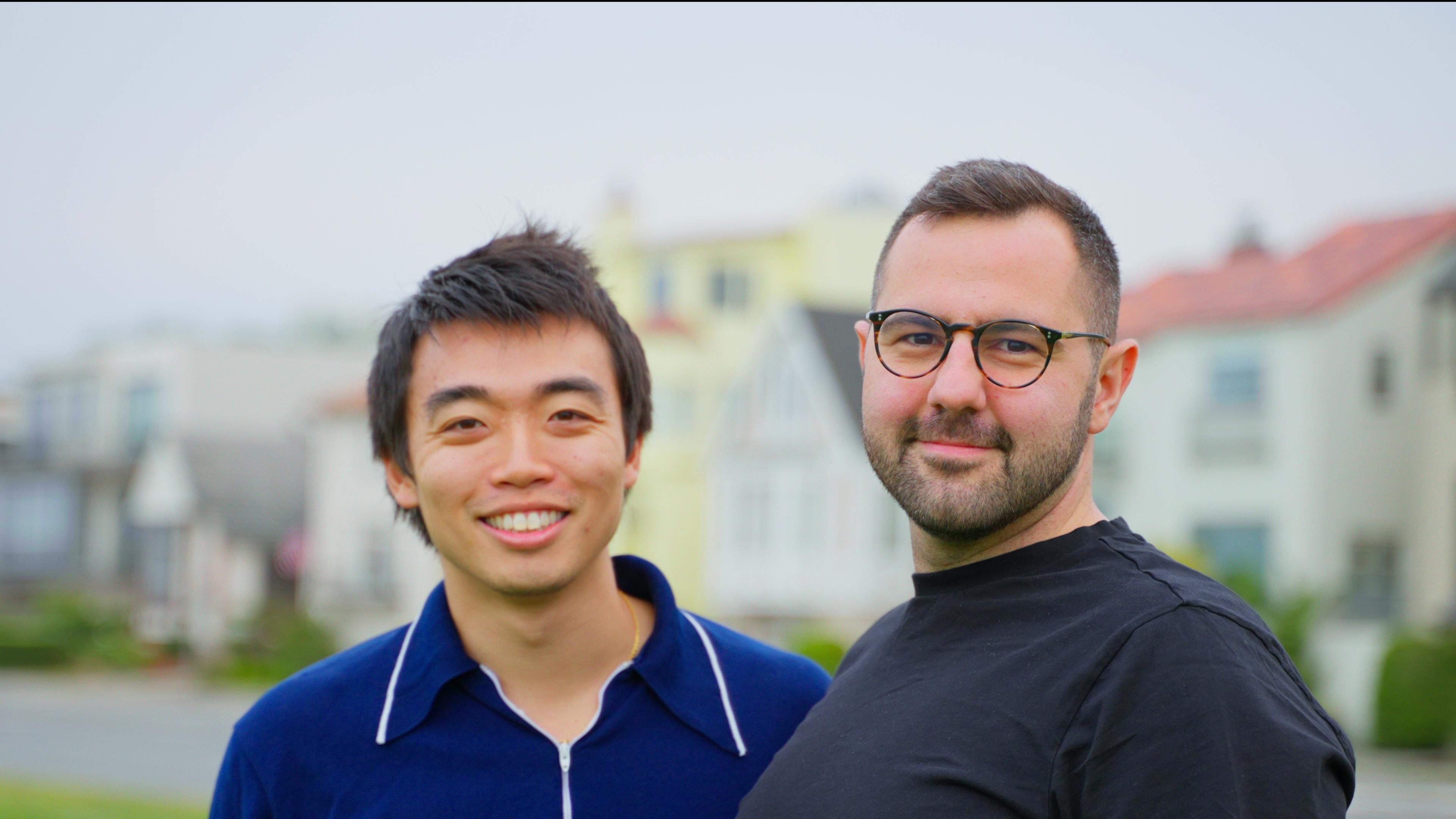
CEO Adithya Rohith's public biography connects the product to both performance and research. He comes from eight generations of Indian classical musicians and has toured as a metal guitarist. He says he has worked on music machine learning since 2023 and filed two patents involving music-generation architectures. Filing a patent is part of that research history, not proof of the model's advertised performance.
CTO Devansh Gupta studied data science and conducted signal-processing research at IIT Kanpur. He also worked as a machine-learning intern at American Express, developing early default-risk models using XGBoost and active learning. The pairing gives Taan a musician's perspective on directing a score and an engineering perspective on measurable instruction-following. Its first product makes those interests meet at the moment a soundtrack needs to change with a scene.
The founders' mix of musical and technical experience fits the product's emphasis on translating a creative direction into a precise change. A request about when an instrument enters is simultaneously an artistic instruction and a measurable timing constraint.
Taan says its model is trained on licensed music and that commercial-use rights are included with its product. Those are the company's representations, rather than an independent legal review of its training data or output rights.
For users, the useful demonstration is straightforward: take a clip with a clear transition, request a corresponding musical change and listen to the result. Taan is making that kind of instruction-following central to the product, rather than treating a convincing first generation as the end of the workflow.
Lorem ipsum dolor sit amet, consectetur adipiscing elit. Suspendisse varius enim in eros elementum tristique. Duis cursus, mi quis viverra ornare, eros dolor interdum nulla, ut commodo diam libero vitae erat. Aenean faucibus nibh et justo cursus id rutrum lorem imperdiet. Nunc ut sem vitae risus tristique posuere.

Built for Delaware C-Corps. Trusted by 2,000+ startups.












Copyright © Fondo (BloomJoy, Inc.)