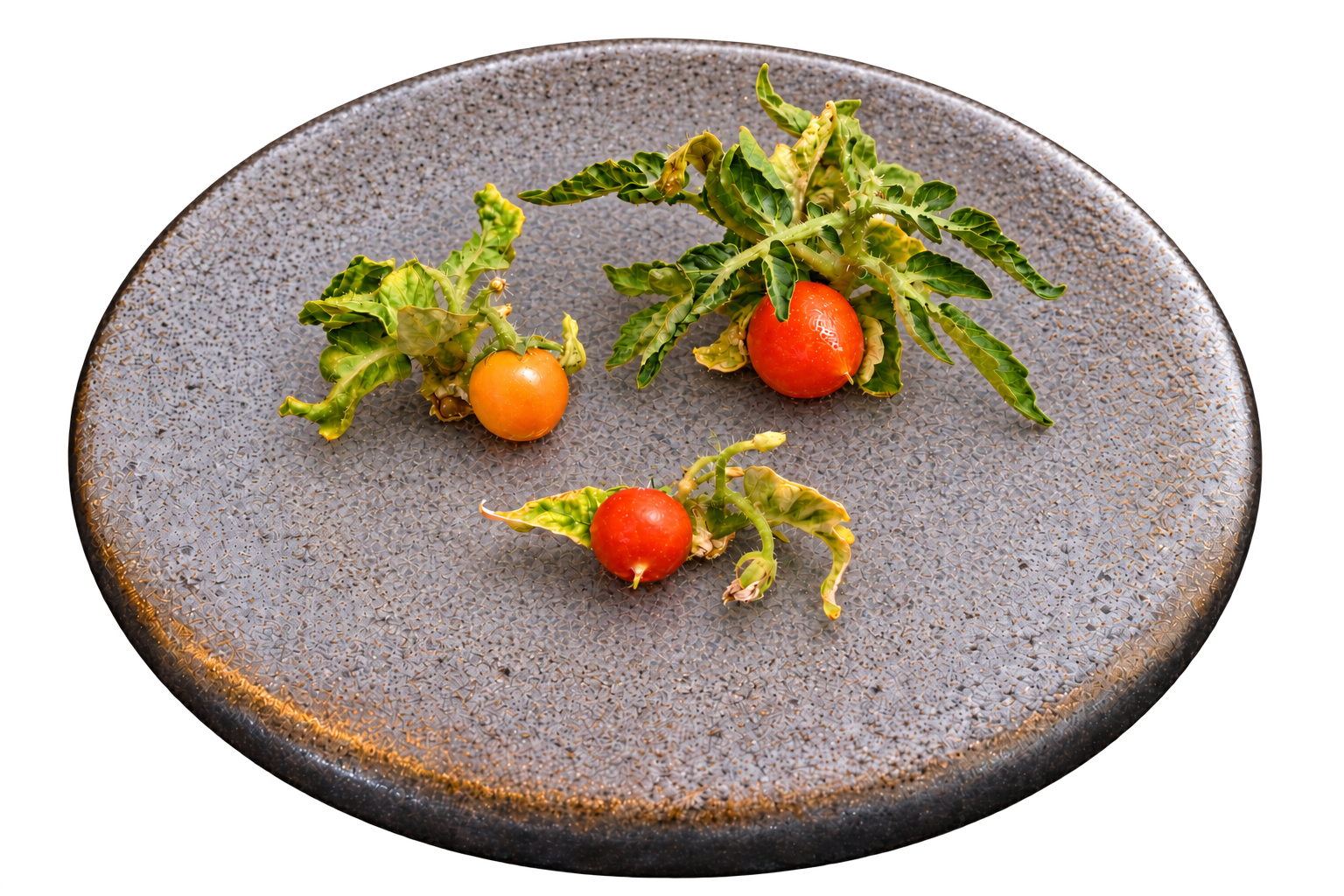
Lux Foods is approaching indoor farming from the plant outward. Rather than putting conventional crops inside a more controlled building, the startup is engineering compact plants and designing the growing hardware around them. Tomatoes are its first target.
The Fall 2026 Y Combinator company says its plants receive sugars and nutrients through a growing medium, reducing their dependence on the carbon they would otherwise fix through photosynthesis. In its launch, Lux reports growth under light intensity 90% lower than conventional conditions. That is a company claim about lighting, not a demonstrated reduction in total production cost.
The distinction is especially important because the company's headline promises fruit grown without sunlight, while its technical explanation describes low-light cultivation. The proposed system still has biological, energy and operating requirements. Lux's pitch is to redesign those requirements together rather than simply add more automation to an ordinary farm.
Lux starts with cultured plant tissue and regenerates small plants directed toward flowers and fruit. Reducing stems, leaves and variation in plant architecture is intended to make harvesting and handling easier for robots. Instead of expecting machines to adapt to every irregularity of a field-grown plant, the company wants the crop itself to present a more repeatable task.
Its website describes sugar-fed vessel culture, asexual cloning and an automated workflow. The goal is to expand production by repeating a growing unit, with the biology and machinery designed as parts of the same system.
Watch Lux Foods' original launch video.
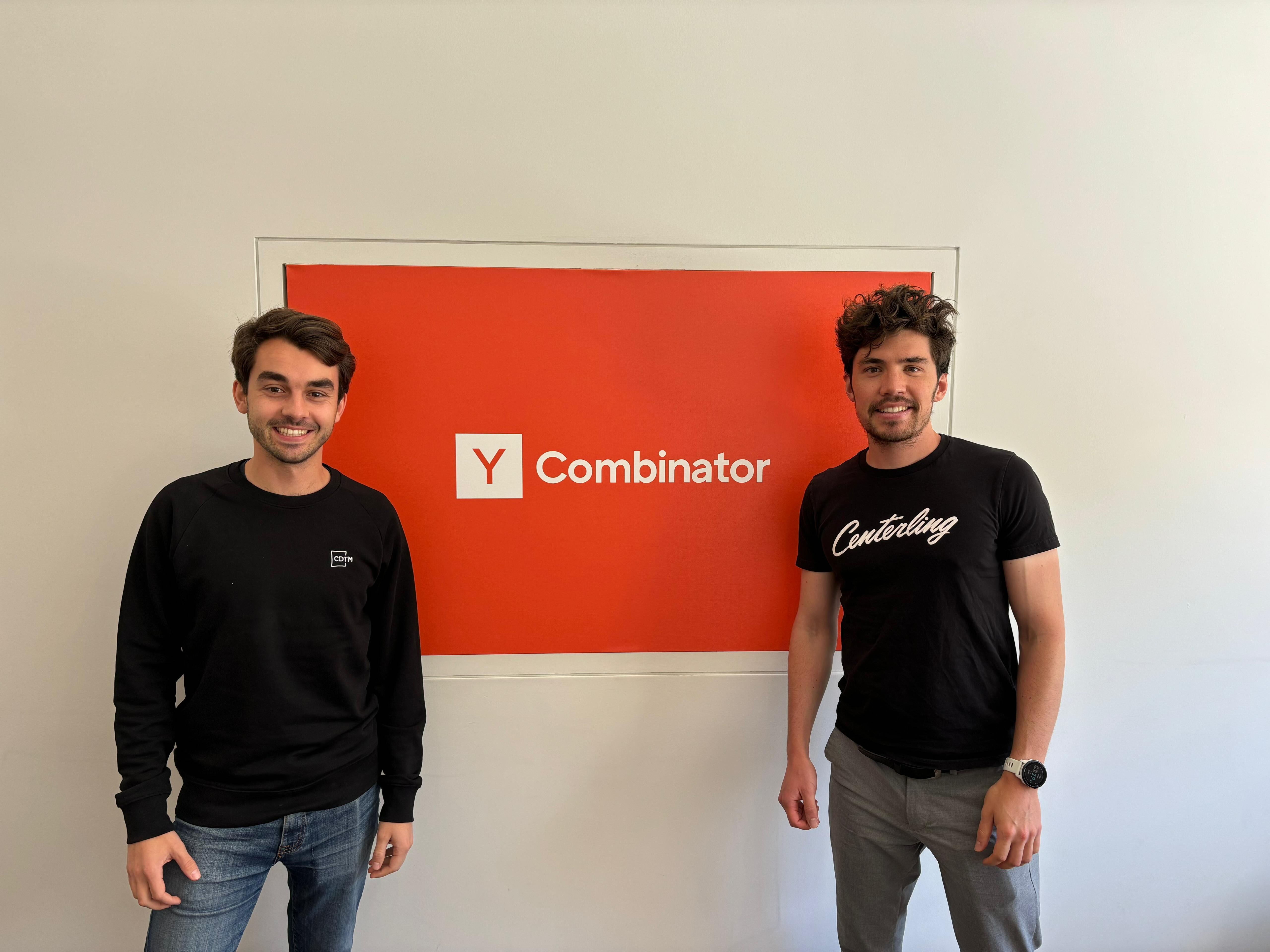
Co-founders Andre Yeung and Robert Jinkerson bring different parts of that plan together. Yeung, the CEO, studied bioengineering and computer science at Stanford. Jinkerson, the chief scientific officer, is a professor at UC Riverside whose work includes engineering plants for controlled environments and space.
The company traces its approach to research in Jinkerson's lab and says compact tomatoes from that work traveled to the International Space Station in 2025. Lux is now applying the underlying constraints to a terrestrial business: grow fruit near buyers, with less space devoted to the parts of a plant that people do not eat.
It says its first farm is being built in San Francisco. Chefs, produce distributors, foodservice operators and grocery buyers are the initial audience for pilot or future supply conversations. Proximity could also give the company more freedom to select varieties for eating quality rather than long-distance shipping durability.
Lux's website is explicit that its larger production comparisons are projections. A facility visualization describes modeled output rather than demonstrated yield, and notes that parts of the vessel and module design still need validation. Its growing-footprint comparisons also exclude land needed for sugar feedstocks and off-site energy infrastructure.
Those caveats leave the central commercial question open: whether compact crops, feed inputs and automation can deliver reliable fruit at an attractive cost. Lux is not yet presenting a proven replacement for greenhouses or outdoor agriculture. It is presenting a different unit of production, with tomatoes as the first test of whether changing the plant can change the economics around it.
Lorem ipsum dolor sit amet, consectetur adipiscing elit. Suspendisse varius enim in eros elementum tristique. Duis cursus, mi quis viverra ornare, eros dolor interdum nulla, ut commodo diam libero vitae erat. Aenean faucibus nibh et justo cursus id rutrum lorem imperdiet. Nunc ut sem vitae risus tristique posuere.

Built for Delaware C-Corps. Trusted by 2,000+ startups.












Copyright © Fondo (BloomJoy, Inc.)