Liquid Energy is trying to sell AI inference without first waiting for a conventional data-center construction project. Its proposed building block is a factory-built module that arrives with computing equipment and its own solar power system.
The company calls the unit NanoDC. In its launch announcement, it describes a self-contained data center with fold-out solar panels, batteries, cooling and a satellite internet connection. The commercial proposition is to add capacity by deploying more modules rather than expanding one large site.
That puts the company's attention on the physical prerequisites for running models. An inference service needs more than processors: it also needs power, heat removal and connectivity. Liquid Energy is packaging those requirements together and treating the data center as something manufactured and delivered.
Watch Liquid Energy's original launch video.
Its current website says it sells inference capacity to companies and aims to deliver the first tokens within eight weeks of a signed contract. The launch separately describes a four-week deployment capability and says the first units are expected to go live during the launch month. Those statements refer to different milestones and should not be collapsed into evidence of an already established delivery record.
The distinction between a module demonstration and a dependable inference service is important. Customers buying model capacity will care about availability and performance after deployment, including the periods when solar generation changes. Batteries are part of Liquid Energy's proposed answer, but the public launch does not supply enough operational data to independently assess service reliability.
The company reports having 20 units and manufacturing capability equivalent to two megawatts per month. It also describes a substantially higher future production target. Those are company statements, with the expansion still a plan rather than completed capacity.
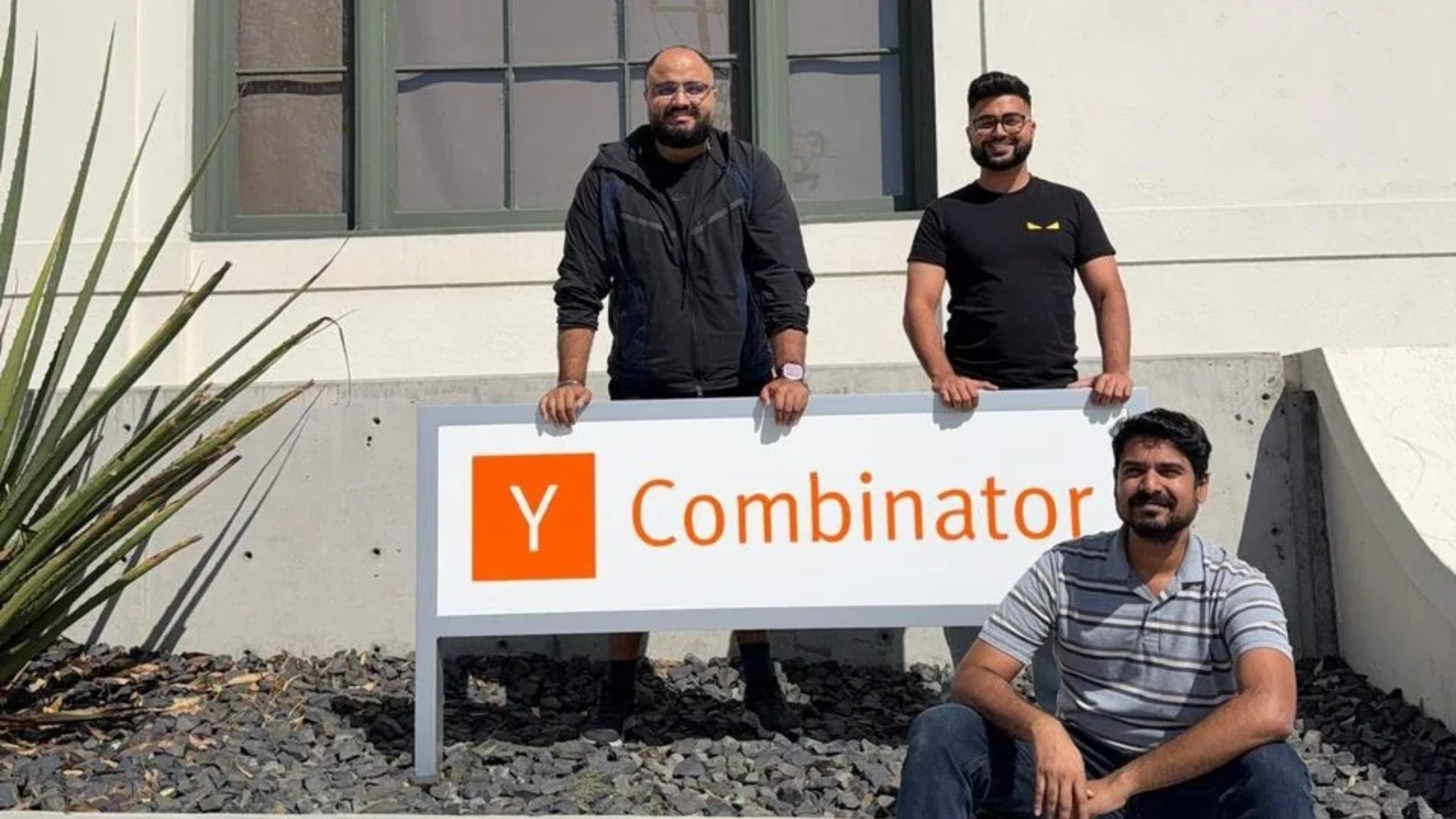
The three founders bring software and entrepreneurial experience to the project. CEO Sid Ravikumar was a founding engineer at Jelly.fm and a senior software engineer at Lotus Laboratories. His public profile lists graduate computer-science study at Georgia Tech and the University at Buffalo, following an undergraduate degree at Illinois Institute of Technology.
Co-founder Sajan Khosa previously built AJMER, a property-technology platform, and founded a charity that he says raised more than $100,000 for animal shelters. President Arsh Sekhon is a University of Waterloo graduate. Those earlier projects describe the founders' experience, not Liquid Energy's operating results. The company belongs to YC's Fall 2026 batch and lists Waterloo, Canada, as its location.
The design has an intuitive appeal: move some of the work from a construction site into a factory, then arrive with the power source included. Whether that creates an advantage depends on the entire service, not simply how quickly a physical enclosure can be placed on land.
Liquid Energy's launch does not provide independently verified cost comparisons or customer performance benchmarks. Its claims about cheaper and faster compute should therefore be treated as the objectives of a young infrastructure provider.
The next milestone is narrower and more useful than a sweeping forecast about AI demand: operating the first deployed units and showing how they perform for paying inference customers. A repeatable record there would turn NanoDC from a manufacturing concept into a measurable computing service.
Lorem ipsum dolor sit amet, consectetur adipiscing elit. Suspendisse varius enim in eros elementum tristique. Duis cursus, mi quis viverra ornare, eros dolor interdum nulla, ut commodo diam libero vitae erat. Aenean faucibus nibh et justo cursus id rutrum lorem imperdiet. Nunc ut sem vitae risus tristique posuere.

Built for Delaware C-Corps. Trusted by 2,000+ startups.












Copyright © Fondo (BloomJoy, Inc.)