Elithia wants to shorten the work that comes before an expert can assess a malpractice or serious injury case: reconstructing what happened from a disordered pile of medical records. Its agents produce a chronology with links back to the source pages, giving the physician a draft to inspect rather than another summary to take on trust.
The company says more than 70 physician expert witnesses already use the product on live cases, and two medico-legal agencies are under contract. Those are company-reported adoption figures. The launch announcement does not name the agencies or disclose revenue.
The workflow begins with the records themselves. Elithia removes blank and duplicate pages, sorts documents and assembles a patient history across sources. Its pitch is to do the initial reading and organization while leaving the expert responsible for the analysis and final sign-off. The launch video introduces that approach.
The company advertises reducing a day’s reading to 15 minutes. That is a performance claim, not an independently established benchmark. The announcement does not provide a standardized test set, error rate or a breakdown showing how much subsequent expert review was required.
The more concrete design choice is traceability. On its product page, Elithia describes clickable citations, in-line editing and a conversational interface for querying the case file. An expert can move from a chronology entry to the underlying document, correct the wording and ask about another part of the record.
That matters because a chronology and an expert opinion serve different purposes. Establishing when a consultation or procedure occurred is part of organizing the evidence. Deciding what that evidence means for a legal claim still requires professional judgment. A citation makes an output easier to inspect; it does not automatically make the interpretation correct.
The document-handling tools also address work outside the narrative summary. Elithia says it groups records by type, creates an index and flags missing or duplicate pages. The finished material can be exported to Word or PDF using the expert’s report structure and branding, allowing review to continue in familiar formats.
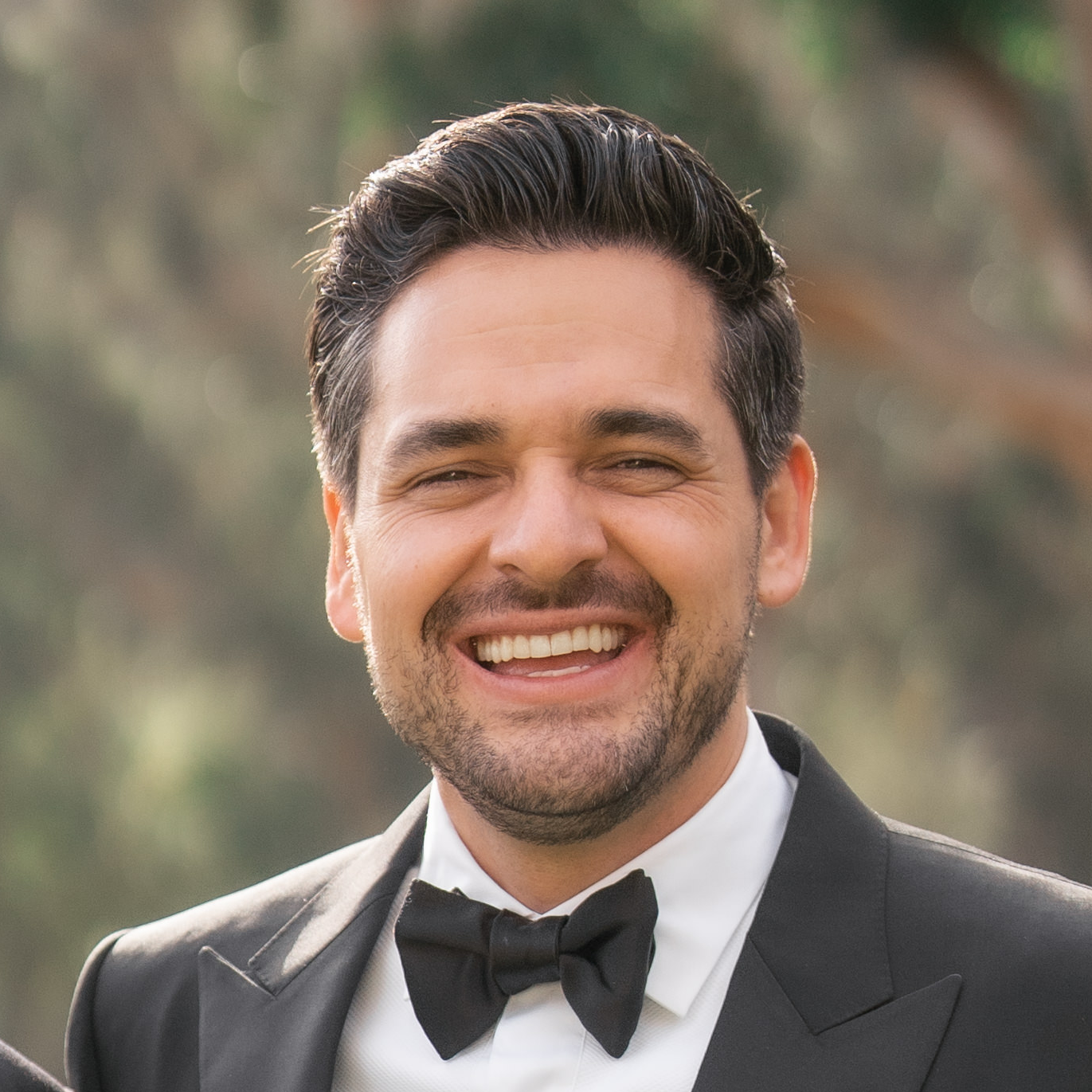
Founder and CEO Sarthak Jain studied computer science at Oxford and worked for three years at Winton, turning unstructured information into trading signals. He grew up in a family of doctors and left MIT Sloan’s MBA program to build the company. His background is in software and quantitative work, rather than a claimed medical qualification.
Elithia belongs to Y Combinator’s Fall 2026 batch. The launch identifies law firms on both sides of malpractice and catastrophic injury disputes as its next audience, building on its initial work with physician experts and agencies that supply reports.
Handling the records introduces a separate privacy requirement. The company website says records are encrypted, isolated by organization and not used to train its models. It also describes region-restricted computing and storage. These are the provider’s stated controls, not an independent finding of compliance.
For an expert considering the service, the useful test is the complete review process: what the agent finds, what it misses and how easily a disputed entry can be checked against the original page. Elithia’s product is organized around that last step, keeping the underlying evidence within reach of the person who must stand behind the report.
Lorem ipsum dolor sit amet, consectetur adipiscing elit. Suspendisse varius enim in eros elementum tristique. Duis cursus, mi quis viverra ornare, eros dolor interdum nulla, ut commodo diam libero vitae erat. Aenean faucibus nibh et justo cursus id rutrum lorem imperdiet. Nunc ut sem vitae risus tristique posuere.

Built for Delaware C-Corps. Trusted by 2,000+ startups.












Copyright © Fondo (BloomJoy, Inc.)