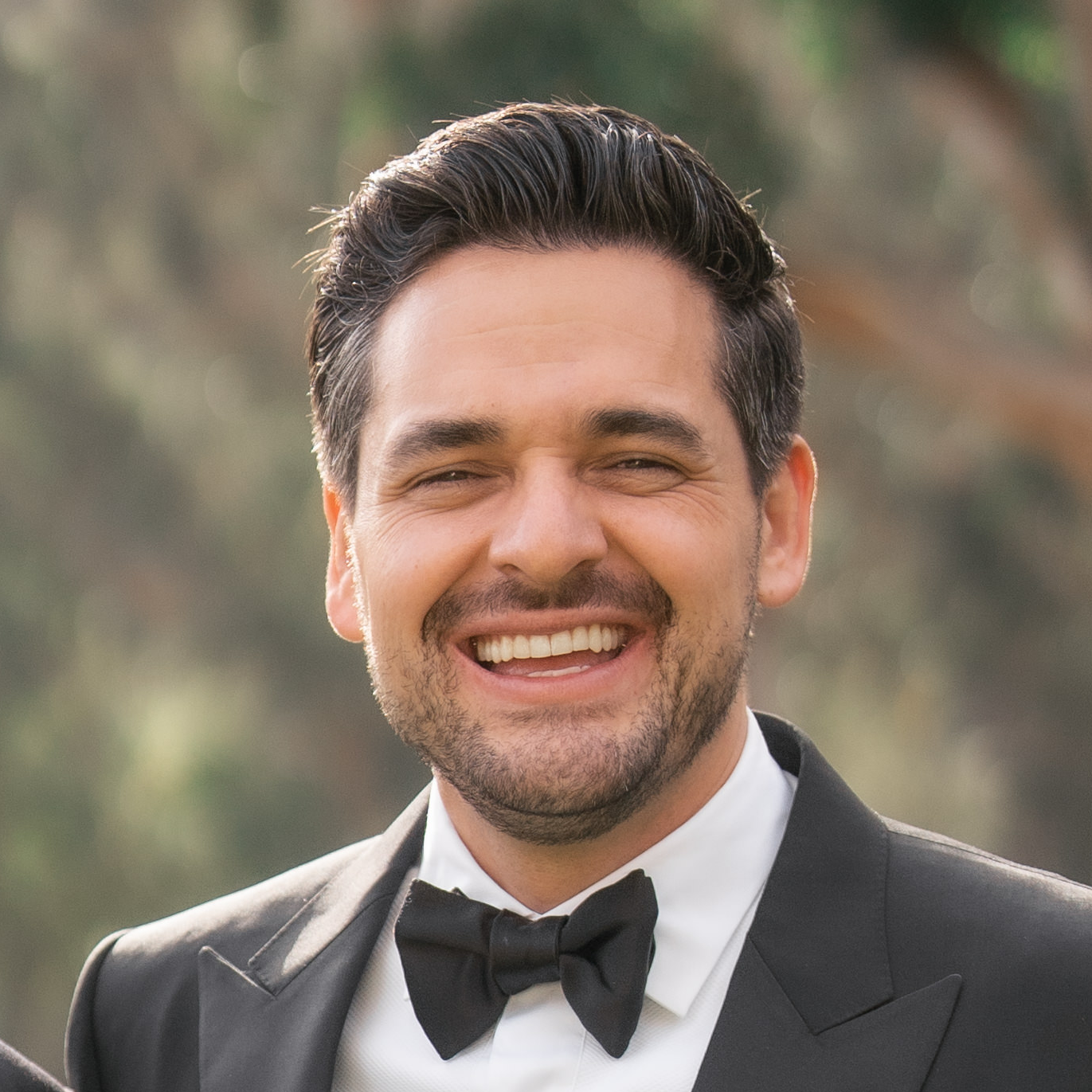
The founders of Ascenix spent months living in a retirement home before settling on a software problem: the systems staff use to run the facility can consume time that could otherwise go toward residents.
Rishi Mehta and Ayaan Esmail had already worked on hardware, including fall-detection technology. Their current company takes a different approach, building tailored administrative workflows from reusable software components rather than asking every home to adopt the same process.
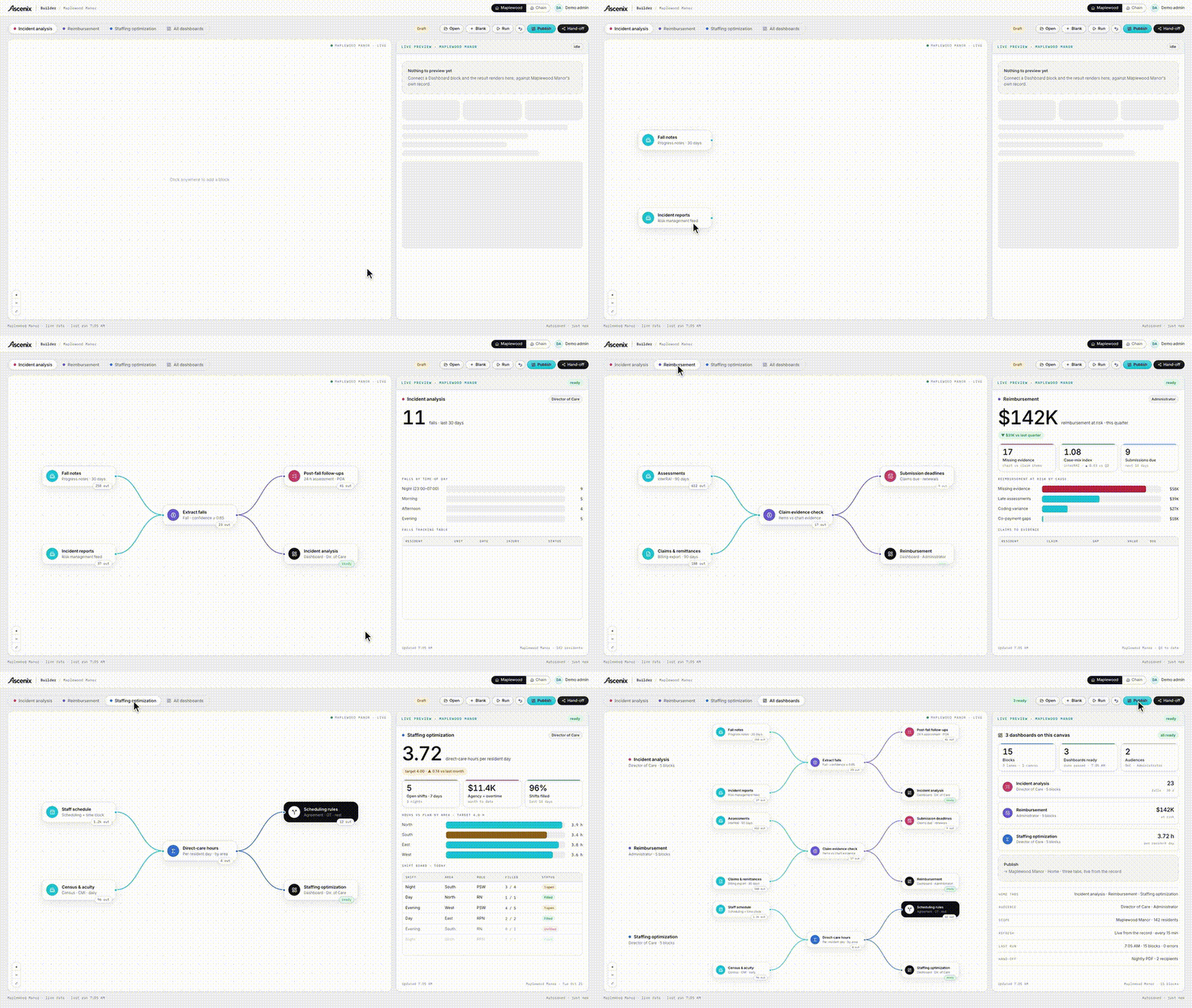
In its launch announcement, Ascenix describes an interface that can cover tasks such as incident reporting and reimbursement review. It gathers information from existing records, applies the home's rules and produces reports, tasks or messages.
Watch Ascenix's original launch video.
The important product decision is reuse beneath customization. Two homes may have different policies or bottlenecks, while the underlying operations involve similar steps: collect information, check it, apply a rule and send the result somewhere useful. Ascenix wants to combine those shared building blocks into software that fits each facility.
Its website lists incident analysis, compliance, reimbursement, billing and staffing among the workflows it offers. The company says these work from records a home already keeps. The launch also names electronic health records as a source, rather than presenting Ascenix as a wholesale replacement for the clinical record.
That approach tries to avoid a familiar problem with specialized software: solving one task can still leave staff copying information into another system. Ascenix's example is incident reporting and reimbursement analysis sharing the same underlying data and interface.
CEO Rishi Mehta and president Ayaan Esmail previously founded Fallyx together. Their public profiles describe both as Pareto Holdings fellows. Mehta also received an Emergent Ventures grant through George Mason University and participated in Johns Hopkins' Center for Talented Youth and The Knowledge Society.
Esmail studied health science at Western University before leaving to live in a retirement home. He previously worked on nanotechnology research at Myant and medical research at University Health Network's Wilson Center. The founders say their time inside a care facility changed their view of where they could help: improving the systems employees already depend on became the priority, rather than adding another standalone device. That history grounds Ascenix's customization model in observed staff workflows.
Ascenix reports serving facilities in Ontario and several U.S. states. The launch also cites one week's percentage growth without defining the underlying measure or starting base, so that figure is not a useful standalone indicator of the business's scale.
The company is part of YC's Fall 2026 batch. Its public materials do not establish independent clinical outcomes or guarantee a particular reimbursement recovery. Administrative software can help teams organize work, but care decisions, compliance obligations and funding eligibility still depend on the actual facts.
The founders' strongest observation is a practical one: staff need systems that fit how their home operates. Ascenix starts with a facility's most pressing workflow and aims to add others over time, making customization a continuing service rather than a one-off software project.
Lorem ipsum dolor sit amet, consectetur adipiscing elit. Suspendisse varius enim in eros elementum tristique. Duis cursus, mi quis viverra ornare, eros dolor interdum nulla, ut commodo diam libero vitae erat. Aenean faucibus nibh et justo cursus id rutrum lorem imperdiet. Nunc ut sem vitae risus tristique posuere.

Built for Delaware C-Corps. Trusted by 2,000+ startups.












Copyright © Fondo (BloomJoy, Inc.)