0.security wants security review to end with a patch an engineer can apply inside a pull request. Its hosted product, 0cloud, connects to GitHub, tests proposed code changes in isolated environments and delivers findings alongside suggested fixes, putting remediation next to the code awaiting review.
That is the practical focus of the company’s launch: reduce the work between discovering a vulnerability and deciding whether a repair actually addresses it. The startup argues that investigating alerts and validating patches can consume engineering time even when finding potential problems has become easier.
The system combines conventional scanning with AI agents. According to its product description, agents inspect repository context, investigate possible weaknesses and reproduce findings in sandboxes. A developer receives evidence and a proposed change in the existing pull request, where the team can review and apply it. The workflow is designed to avoid sending engineers off to a separate report before they can begin fixing the issue.
Watch 0.security’s original launch video.
Pricing puts a relatively small unit around that workflow. The company’s current pricing page lists a pull-request security test at $5, paid through prepaid credits, with no seat fee. Its free trial includes $100 in credits for 14 days and one active developer. More extensive services, including dependency reviews and codebase penetration tests, are offered on request rather than included as automatic capabilities of every account.
There is also a self-managed route. The company publishes an open-source security harness with a browser interface, command-line tools and connections for other agents through MCP. Users can run it locally with their own model provider, investigate findings and retain results from security workflows. The repository describes the hosted GitHub service and the local harness as distinct ways to use the technology.
That distinction matters for teams evaluating the risks of automated security work. The repository tells users to test only authorized systems and review evidence before applying fixes. It also notes that the default shell runs on the host computer, recommending an isolated executor for untrusted work. Running the tool locally therefore does not automatically put every operation inside a sandbox.
The founders have a public security-research record to point to. A GitHub-reviewed advisory credits co-founder Doruk Tan Ozturk with reporting a certificate-validation flaw in node-forge, a JavaScript cryptography library. That record supports a specific discovery. It does not independently establish the company’s broader launch claims of more than 30 Linux kernel zero-days and hundreds of CVEs.
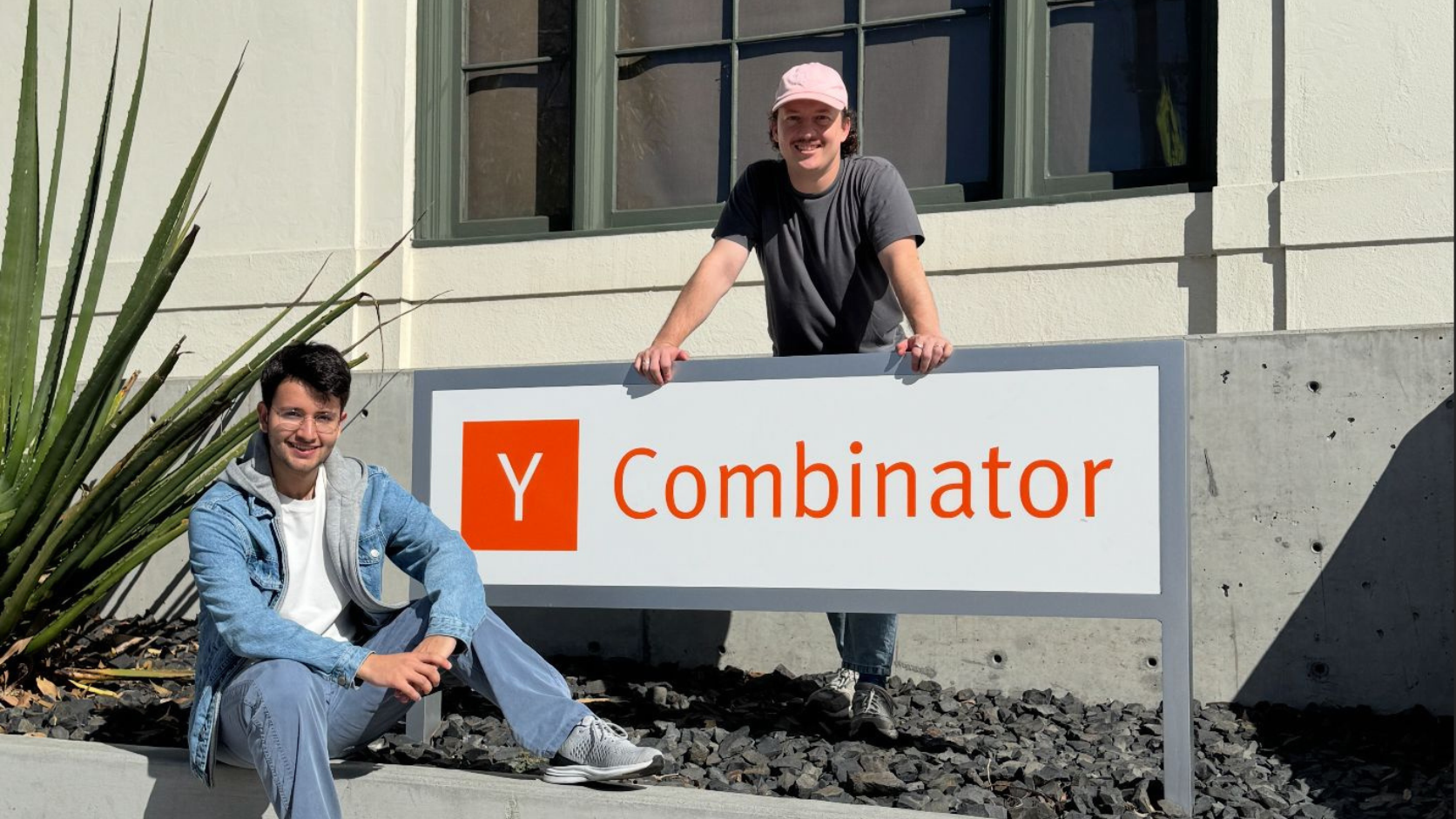
Ozturk previously worked in cyber defense at Swiss retailer Migros, according to his public YC profile. Co-founder Fabian Zbinden’s background includes Mellivora Capital and Crypto Finance. Their company is in Y Combinator’s Fall 2026 batch and says it also works with enterprise and critical-infrastructure organizations.
For the GitHub product, the meaningful test will be the quality of what arrives in the review queue: a reproducible issue, a narrowly scoped repair and enough evidence for an engineer to decide whether to merge. Charging by the pull request makes that proposition straightforward to try, while leaving the decision to ship with the development team.
Lorem ipsum dolor sit amet, consectetur adipiscing elit. Suspendisse varius enim in eros elementum tristique. Duis cursus, mi quis viverra ornare, eros dolor interdum nulla, ut commodo diam libero vitae erat. Aenean faucibus nibh et justo cursus id rutrum lorem imperdiet. Nunc ut sem vitae risus tristique posuere.

Built for Delaware C-Corps. Trusted by 2,000+ startups.












Copyright © Fondo (BloomJoy, Inc.)