Vyra starts with footage a creator has already recorded and a request for what to do with it. The company’s video-editing agent is designed to handle the cuts, captions and effects through a conversation, without requiring the user to build the first draft manually on a timeline.
That makes it a different proposition from generating a synthetic clip from a prompt. Vyra has to understand the material in front of it: which scene contains the useful moment, where someone speaks and how the footage fits the requested edit.
The launch announcement describes short-form editing on a phone, style references from existing videos and search across a footage library. It also introduces an MCP connection, allowing compatible AI assistants to control the editing tools. The launch demonstration shows how instructions become edits.
On its current website, Vyra offers a web app and an iPhone app. The product analyzes scenes and speech, can align cuts with music and creates animated text or graphics. A reference video can guide pacing and visual treatment, while a conventional timeline remains available when the creator wants finer control.
The retained timeline matters. A conversational interface can make the initial request easier, but the creator still needs a way to inspect and change the result. Choosing an amusing reaction shot or deciding how long a pause should last is an editorial decision, not simply a formatting operation.
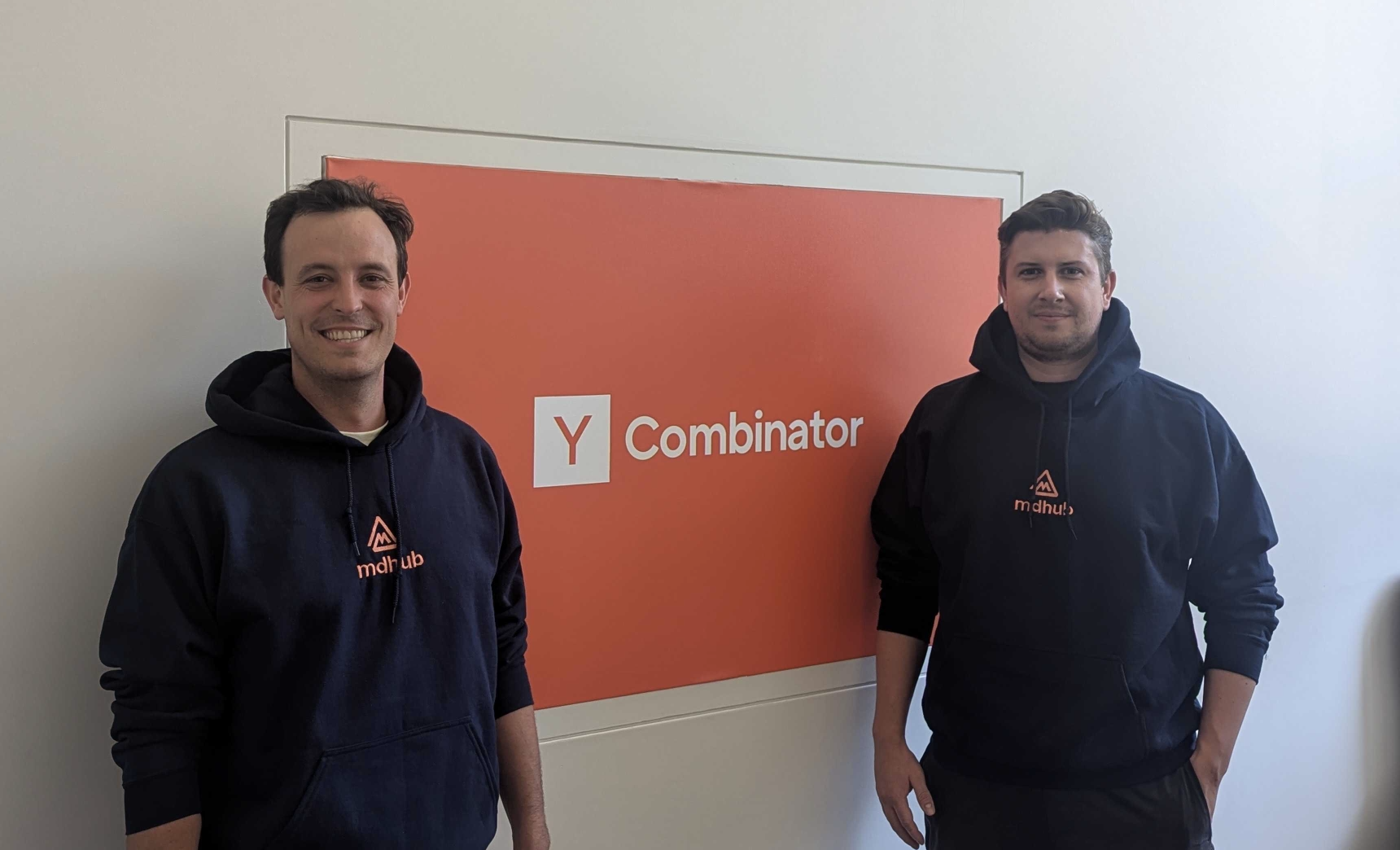
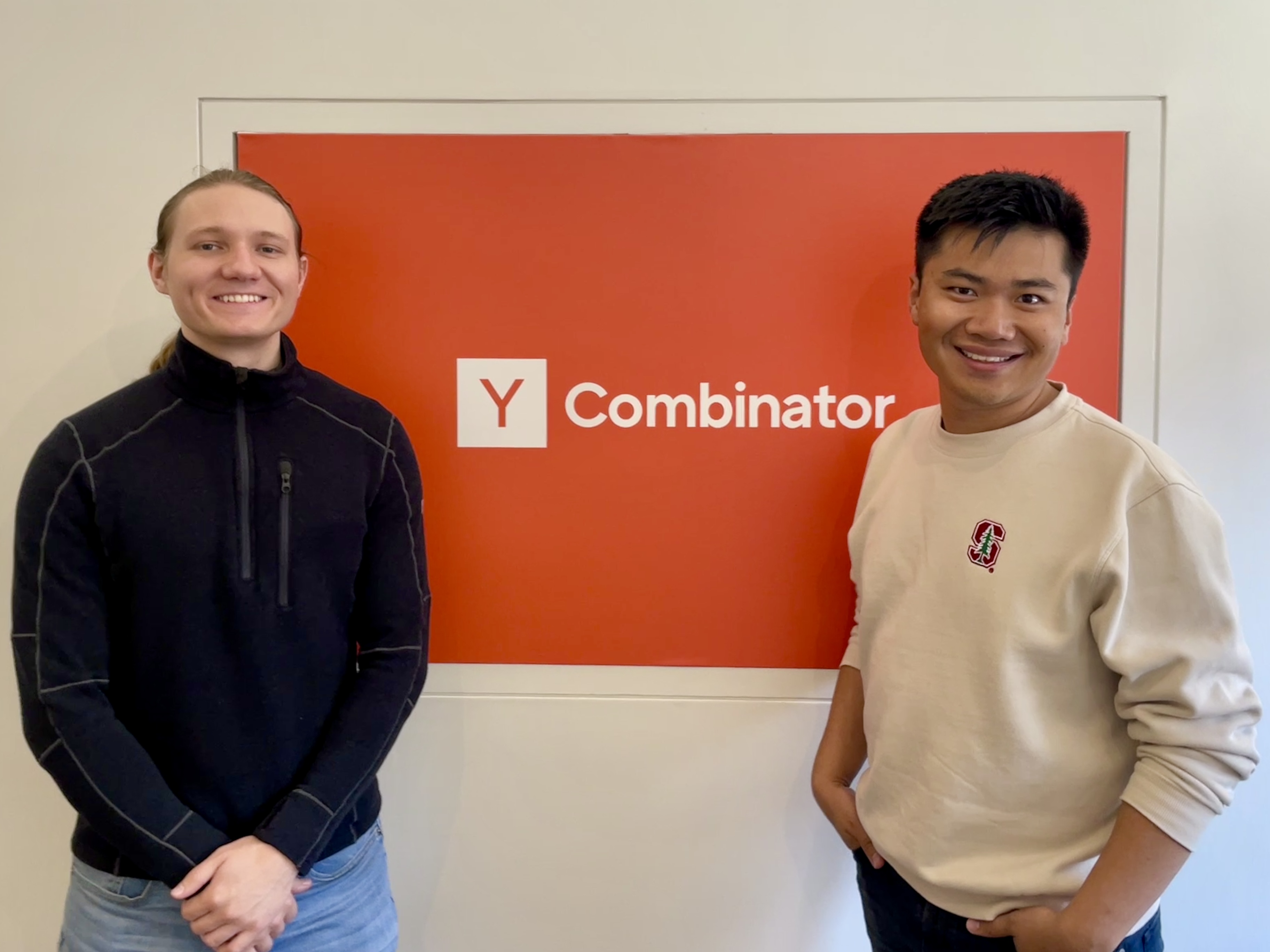
Founders Caleb Pong and Sulan Zhang came to the problem as people who edited videos themselves. Pong’s background includes freelance editing. Zhang studied computer science and visual arts at Brown and built an audience for her own creative work. Their YC company profile lists Vyra in the Fall 2026 batch.
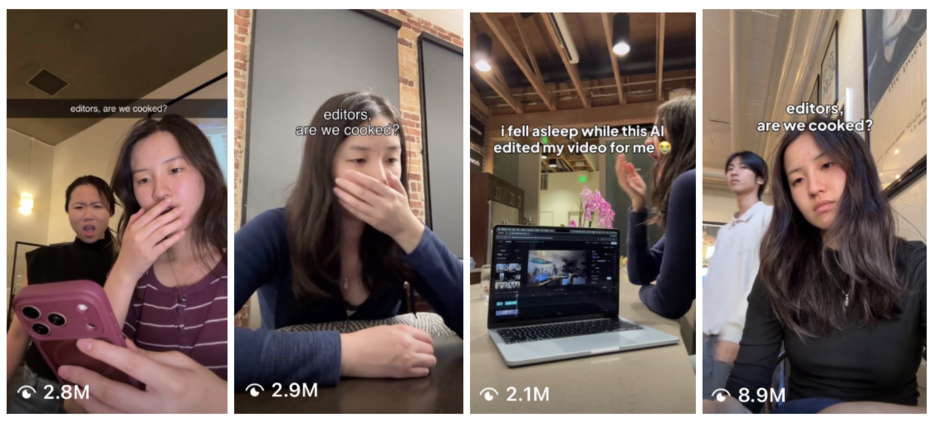
The founders describe spending hours preparing short videos as part of the motivation. Their launch reports that content edited with Vyra had accumulated more than 40 million views. That is a company-reported measure of content reach, not a count of customers or evidence that the software guarantees distribution.
Vyra also uses its own product to market itself. Its site shows examples of Zhang combining reaction clips and product demonstrations, then trying different opening hooks. That is a concrete use case for batch editing: produce several treatments from the same raw material and decide which version communicates best.
The business model separates access to editing tools from access to an included AI assistant. Customers can bring a compatible assistant through MCP or choose a plan with Vyra’s own AI interface. Storage, export resolution and credits vary by plan, so a creator’s footage volume matters alongside the monthly subscription.
At the time reviewed, web plans start at $24 per month for customers bringing their own AI and $54 per month for the included-AI version. Those prices are a more useful starting point for evaluation than treating every conversational edit as free.
For a user with a backlog of clips, the appeal is straightforward: describe the intended video and get something editable back. Whether that saves meaningful time depends on how much of the first draft survives review. Vyra leaves the timeline available for the part of the job where the creator still wants the final word.
Lorem ipsum dolor sit amet, consectetur adipiscing elit. Suspendisse varius enim in eros elementum tristique. Duis cursus, mi quis viverra ornare, eros dolor interdum nulla, ut commodo diam libero vitae erat. Aenean faucibus nibh et justo cursus id rutrum lorem imperdiet. Nunc ut sem vitae risus tristique posuere.

Built for Delaware C-Corps. Trusted by 2,000+ startups.












Copyright © Fondo (BloomJoy, Inc.)