Theo is building a website service around the work that begins after a business puts its site online. The startup combines an AI site builder with ongoing search optimization and content updates, aiming to help small businesses attract visitors without managing those tasks themselves.
Founder Miles Pines says he arrived at the idea while repeatedly helping friends with their business websites and search-engine optimization. Building the pages was only part of the job. Keeping them useful and discoverable meant returning to the same work over time, an awkward fit for owners whose main occupation isn't running a website.
Theo’s answer is to package creation and upkeep together. On its official site, the service offers to import an existing website and its images, or use information from the web and social profiles to generate three designs. The customer can choose a design, make changes and publish, with the ongoing service handling subsequent optimization and content work.
That makes the product’s promise different from the immediate satisfaction of generating a good-looking homepage. A website can be finished as a design project and still fail as a way to reach customers. Theo is selling continued attention to that second problem, though the results will depend on the business, its market and the usefulness of the content it puts online.
Watch Theo’s original launch demonstration.
In its launch announcement, the company says more than 10,000 sites have been created since July. It also reports an average traffic increase of more than 50% and over 100,000 impressions. Those are company claims. The announcement doesn't establish how many of the created sites represent paying customers, or provide enough detail about the traffic baseline to treat that percentage as a forecast for a new user.
The distinction matters for a small business deciding whether the service is worth paying for. Creating a site, appearing in a search result and winning a customer are separate outcomes. Theo’s launch figures give an indication of activity, but they don't resolve how much additional business a typical customer receives.
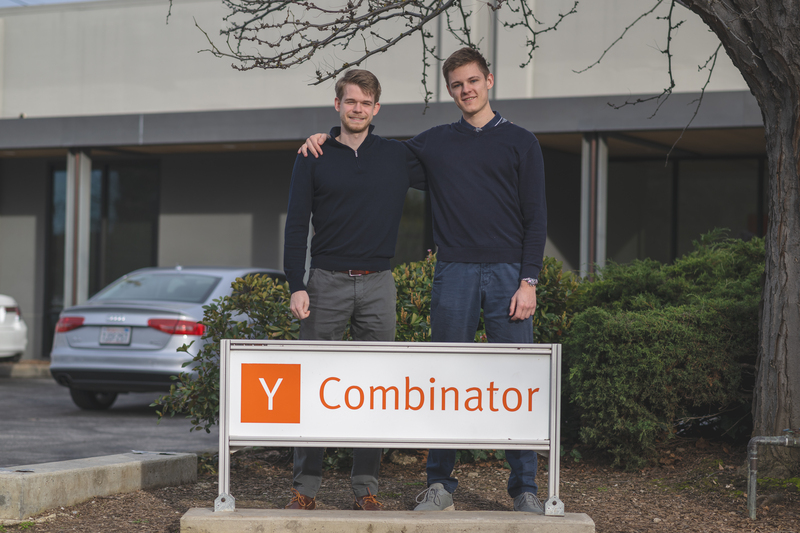
Pines brings experience with both a small software business and infrastructure engineering. His public founder profile describes studying computer science at Harvard, bootstrapping the integration business Endgrate to more than $100,000 in annual revenue, and working on low-latency systems at Citadel Securities. Theo is part of Y Combinator’s Fall 2026 batch.
The service also offers a website audit as an entry point. That lets an owner begin with the existing site rather than commit immediately to building another one. For businesses that already have pages online, identifying what is missing may be more useful than producing a fresh design on demand.
The recurring work is the substantive part of Theo’s proposition. Owners can already assemble a basic presence online; the harder question is who keeps improving it when the business gets busy. Theo’s case will rest on whether its ongoing changes produce useful, discoverable pages and measurable visits over time, beyond the initial site count.
Lorem ipsum dolor sit amet, consectetur adipiscing elit. Suspendisse varius enim in eros elementum tristique. Duis cursus, mi quis viverra ornare, eros dolor interdum nulla, ut commodo diam libero vitae erat. Aenean faucibus nibh et justo cursus id rutrum lorem imperdiet. Nunc ut sem vitae risus tristique posuere.

Built for Delaware C-Corps. Trusted by 2,000+ startups.












Copyright © Fondo (BloomJoy, Inc.)