RouterPlus wants AI teams to buy inference around the work their applications actually perform. Its managed marketplace tests models against customer traffic, selects an appropriate option and asks providers to compete to serve the workload.
The YC Fall 2026 company's pitch combines model selection with procurement and capacity planning. A cheaper model isn't useful if it fails the task, and a favorable provider quote means little if the service cannot handle the customer's busiest period.
RouterPlus says it checks capacity against peak traffic, keeps a backup provider available and gives the customer one API endpoint. It also pools demand from multiple teams so providers can compete for a larger combined deal.
That structure makes the business more involved than a directory of model prices. The company is proposing to evaluate a workload, source the infrastructure to run it and maintain a fallback. Its role spans the model choice and the conditions under which that model is served.
Watch the original launch introduction.
In one example from the launch, a consumer application handling around three million messages per day moved from a closed model to an open model through RouterPlus. The company reports 25 percent lower P95 latency, alongside lower costs and better quality.
Those outcomes are customer examples supplied by RouterPlus, not independently verified benchmarks. The announcement doesn't name the application, specify the models involved or quantify the quality and cost changes. They show the type of result the company is selling, but aren't a general guarantee for other workloads.
A second example concerns an AI assistant business that experienced two outages in a week. RouterPlus says it arranged capacity for traffic peaks fifteen times the customer's average and established a backup provider. That illustrates why average token consumption alone may be an incomplete specification for a production service.
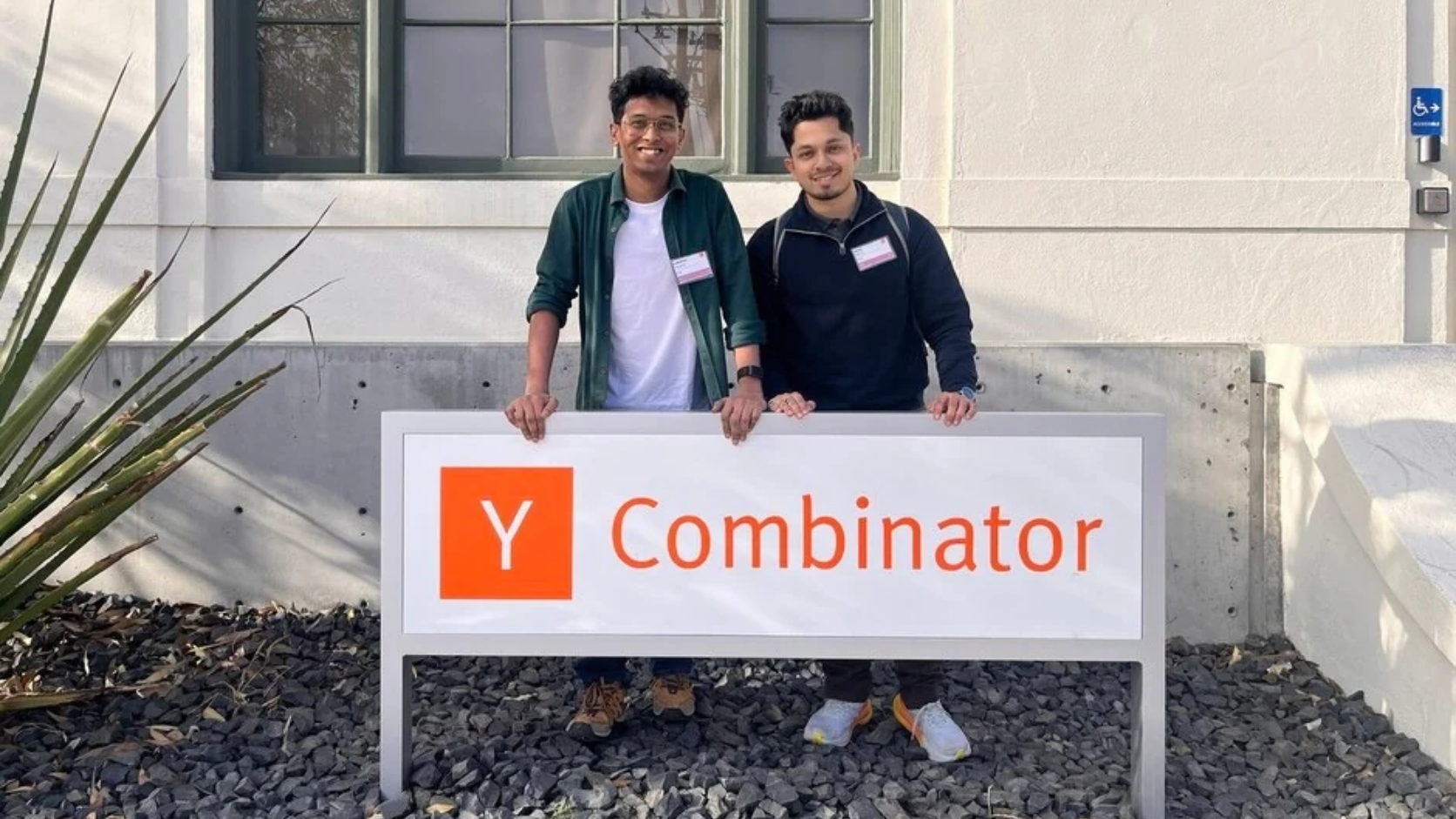
Co-founders Alok Bishoyi and Lakshmi Narayana have worked on AI deployment and infrastructure. Bishoyi was a managing director at AWL, where his experience included edge-AI deployments across Japan, Southeast Asia and the Middle East and North Africa. He also worked in early-stage investing at Day Zero Ventures.
Narayana was the first hire and CTO at Trupeer AI and previously spent four years working on GPU infrastructure for Samsung's machine-learning platform in South Korea. Both founders studied at IIT Bombay.
The launch provides no standard fee schedule or detailed explanation of how the marketplace earns revenue. Prospective customers will need to compare the managed arrangement with sourcing inference directly, including the performance requirements and fallback behavior that matter to their own applications.
RouterPlus is inviting teams to bring their model, traffic and capacity constraints for an evaluation. The concrete starting point is the workload itself: which tasks need a more capable model, which can run economically on another one and what happens when traffic rises far above the average.
Lorem ipsum dolor sit amet, consectetur adipiscing elit. Suspendisse varius enim in eros elementum tristique. Duis cursus, mi quis viverra ornare, eros dolor interdum nulla, ut commodo diam libero vitae erat. Aenean faucibus nibh et justo cursus id rutrum lorem imperdiet. Nunc ut sem vitae risus tristique posuere.

Built for Delaware C-Corps. Trusted by 2,000+ startups.












Copyright © Fondo (BloomJoy, Inc.)