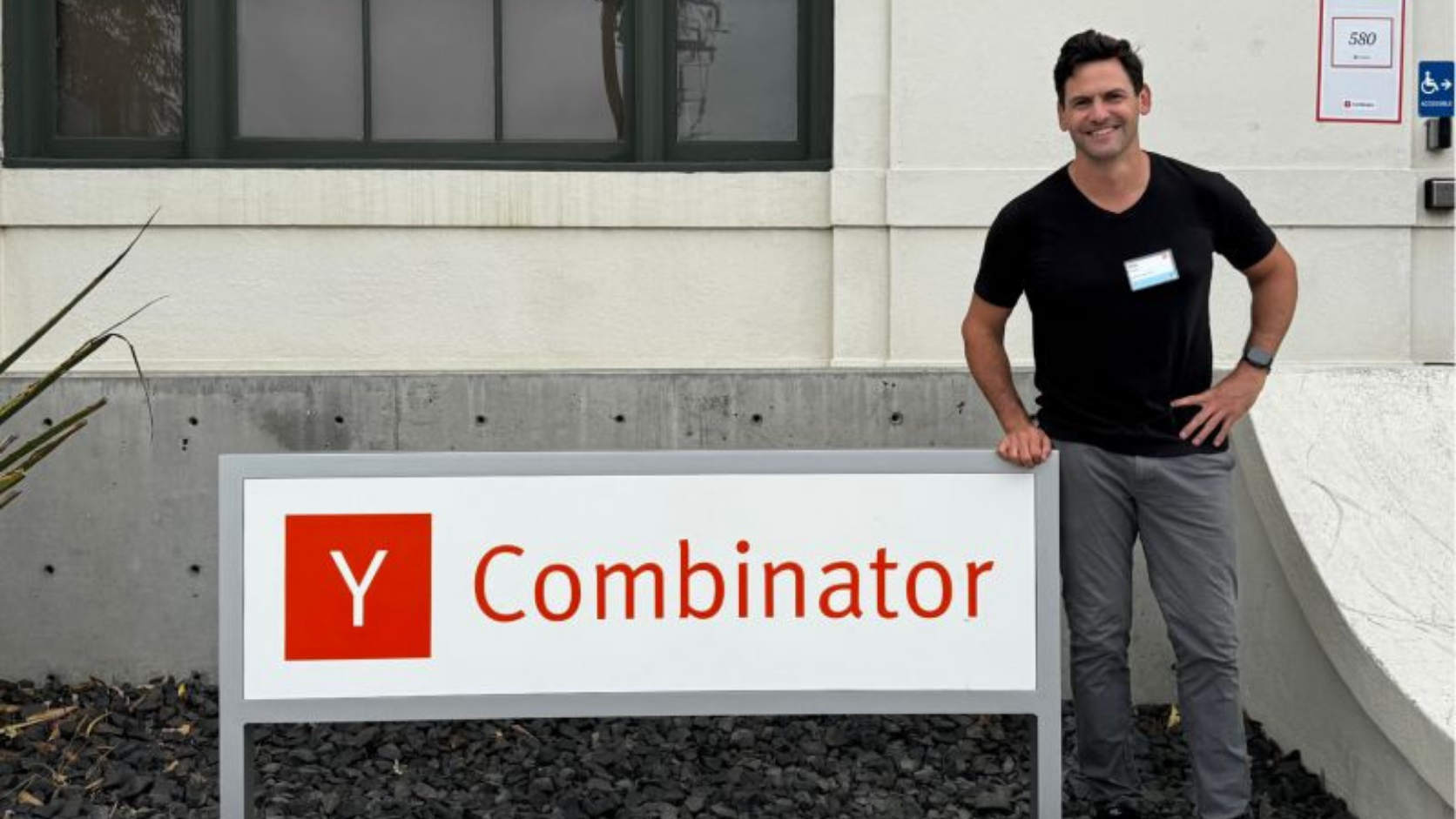

Nick Taranto says he learned the cost of an opaque benefits renewal while building Plated. The meal-kit company overpaid by more than $4 million over five years, he writes in the launch announcement for Ignition Benefits, the brokerage he is now building for smaller employers.
That figure is Taranto’s retrospective account, not an independently verified audit. But it explains the product’s focus: helping operators understand what drives health-insurance costs before they accept another renewal.
Ignition targets U.S. employers with roughly 20 to 200 employees. It combines licensed benefits specialists with software that analyzes workforce health and risk information, compares plan options and supports benefits administration. The company is part of Y Combinator’s Fall 2026 batch.
The pitch starts with a question a small company may struggle to answer: why did its price change? Ignition says its platform examines the information carriers use in pricing so employers can see the factors behind their costs. Its licensed experts then take renewals to market and help customers evaluate alternatives.
AI is intended to support that process by surfacing recommended actions and answering questions in context. The launch also describes software for enrollment, renewals, compliance work and employee life events, with licensed people involved. It does not describe an autonomous system making every coverage decision.
That combination is more specific than a chatbot layered onto an insurance bill. The service includes the brokerage relationship and the administrative work around a plan, alongside an interface intended to make the underlying analysis easier to inspect.
Ignition says it is compensated by carriers rather than charging the employer directly. That payment model is part of the business proposition and worth understanding alongside the product. The announcement does not disclose commission amounts or how compensation varies across available plans.
Taranto’s experience gives the story a practical starting point. He previously founded Plated and describes handling payroll, working with a professional employer organization and eventually hiring a benefits broker as the company grew. His complaint is that the business did not adequately shop its plan or receive the claims information he now wishes it had examined.
Ignition’s public website presents customer examples and savings claims, but the launch itself does not offer a controlled comparison showing what a typical new customer should expect to save. The central claim is access to analysis and licensed help, rather than a guaranteed percentage reduction.
For a small employer, switching benefits is also an operational decision. Enrollment and employee support have to keep functioning while a new plan is considered. Ignition’s attempt to combine analysis, brokerage and administration puts those parts of the process in one service, though the launch leaves implementation details to a customer review.
The company is offering an initial benefits assessment and says it will tell a prospective customer if it cannot identify a better arrangement. That makes the first deliverable fairly tangible: an explanation of the current setup and available options, before the employer decides whether anything should change.
Taranto’s argument is that an operator signing a substantial benefits bill should be able to inspect the reasoning behind it. Ignition’s test will be whether its data and experts make that reasoning clearer at renewal time.
Lorem ipsum dolor sit amet, consectetur adipiscing elit. Suspendisse varius enim in eros elementum tristique. Duis cursus, mi quis viverra ornare, eros dolor interdum nulla, ut commodo diam libero vitae erat. Aenean faucibus nibh et justo cursus id rutrum lorem imperdiet. Nunc ut sem vitae risus tristique posuere.

Built for Delaware C-Corps. Trusted by 2,000+ startups.












Copyright © Fondo (BloomJoy, Inc.)