Maritime wants to make giving every customer an AI agent less expensive than keeping a separate cloud computer running around the clock. The startup’s managed hosting service starts at $1 per agent per month and gives each agent a persistent virtual machine, with files and software that survive between tasks.
The company introduced the platform on Y Combinator’s launch site on October 9. Its target is a specific kind of software business: one selling assistants or AI employees that need a working environment for each customer. A browser session, installed application or unfinished document needs to be there when the agent returns.
That requirement makes infrastructure part of the product experience. If an assistant has to rebuild its environment before every task, the developer has another problem to solve before the assistant can do useful work. Maritime says it handles hosting, scaling and automatic sleep and wake, while letting developers inspect and debug individual agents.
Its website describes Firecracker micro-VMs, each with its own kernel, running on bare-metal servers. Persistent disks retain files, memory, packages and browser logins through sleep, restart and redeployment. In everyday terms, the agent gets a computer it can return to, rather than a disposable workspace it must set up again.
Watch Maritime’s original launch video
Developers can deploy agent code inside that environment using the dashboard, command-line tool or SDKs. The company also describes a second approach: leave an existing agent on its current backend and connect it to a Maritime computer through MCP. The website labels that computer-access offering as early access, a useful distinction from the hosted-agent signup flow.
The launch lists Linux computers, Windows desktops and virtual Android phones as environment options. The website’s detailed examples concentrate on Linux: installing packages, opening a browser and running generated code. Teams that depend on a particular desktop or mobile application would need to confirm that their required environment is available.
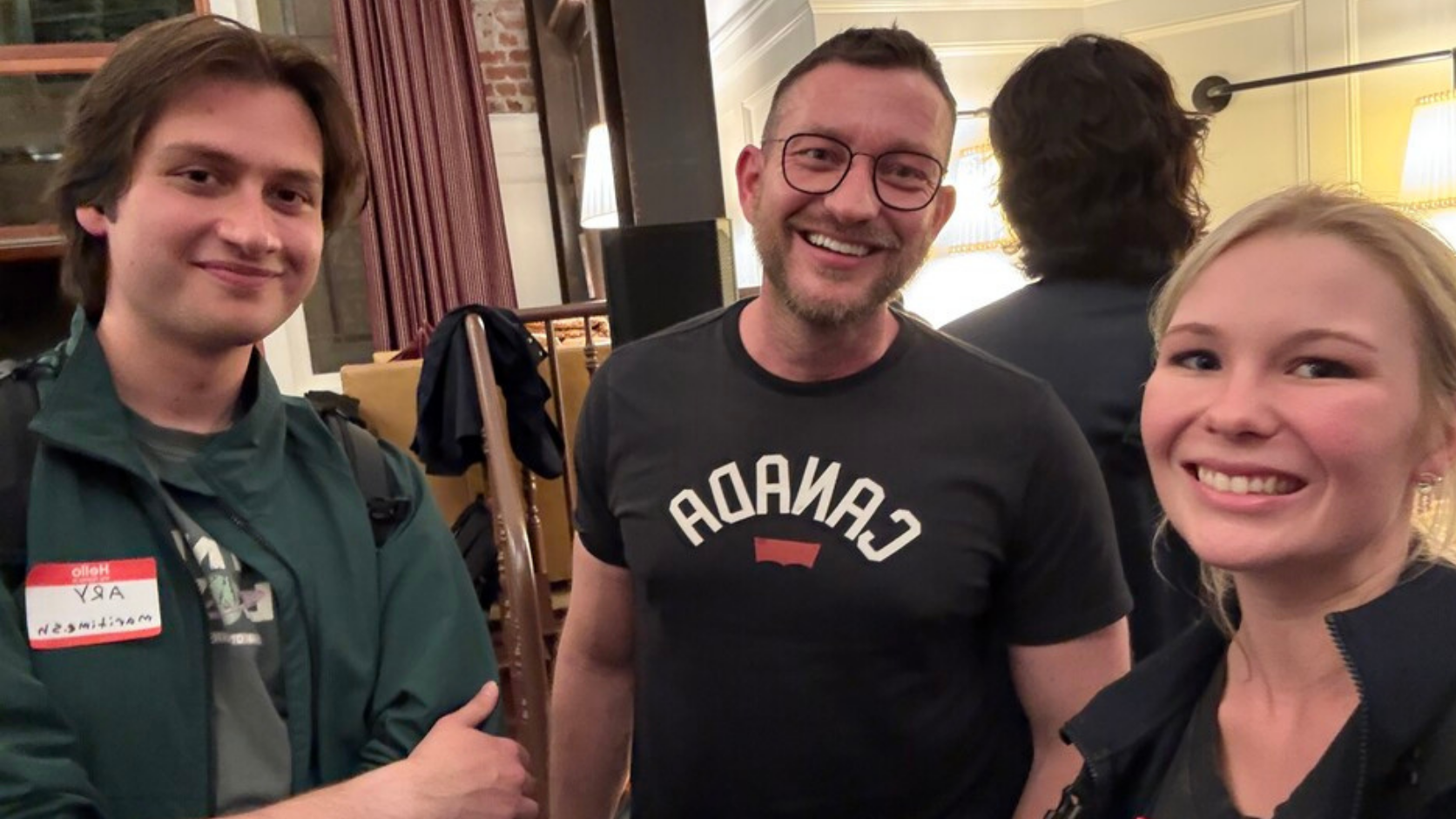
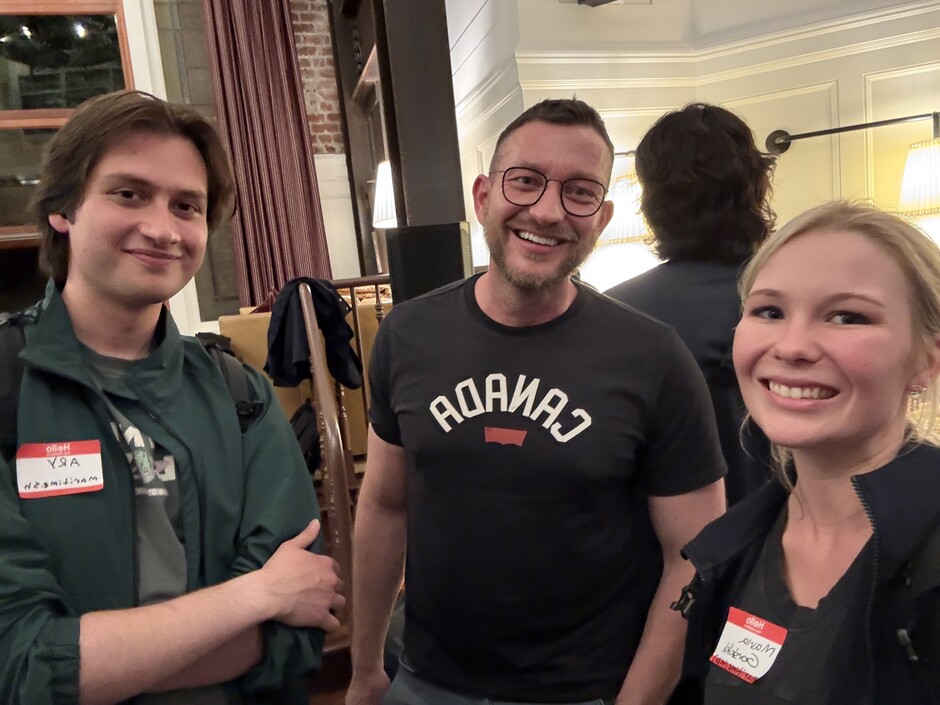
Founders Maria Gorskikh and Aryaman Shrivastava say the idea grew out of the work of hosting hundreds of agents during research at MIT. Maintaining environments and debugging individual agents took time away from their research. Their public YC profiles describe Gorskikh as a former visiting lecturer and NANDA researcher, and Shrivastava as a researcher in AI-agent coordination at MIT’s NANDA Lab.
Maritime is in Y Combinator’s Fall 2026 batch. Its launch frames support for millions of agents as the scale it wants to enable; it does not disclose a current production fleet of that size. Similarly, the starting hosting price is a company offer, not evidence of the total cost of operating an AI product with model inference and other services.
For developers, the immediate entry point is smaller: Maritime offers hosting for three agents free. That gives a team a way to test whether an agent can leave its work, sleep and return to the same environment before committing an entire customer base to the platform.
Lorem ipsum dolor sit amet, consectetur adipiscing elit. Suspendisse varius enim in eros elementum tristique. Duis cursus, mi quis viverra ornare, eros dolor interdum nulla, ut commodo diam libero vitae erat. Aenean faucibus nibh et justo cursus id rutrum lorem imperdiet. Nunc ut sem vitae risus tristique posuere.

Built for Delaware C-Corps. Trusted by 2,000+ startups.












Copyright © Fondo (BloomJoy, Inc.)