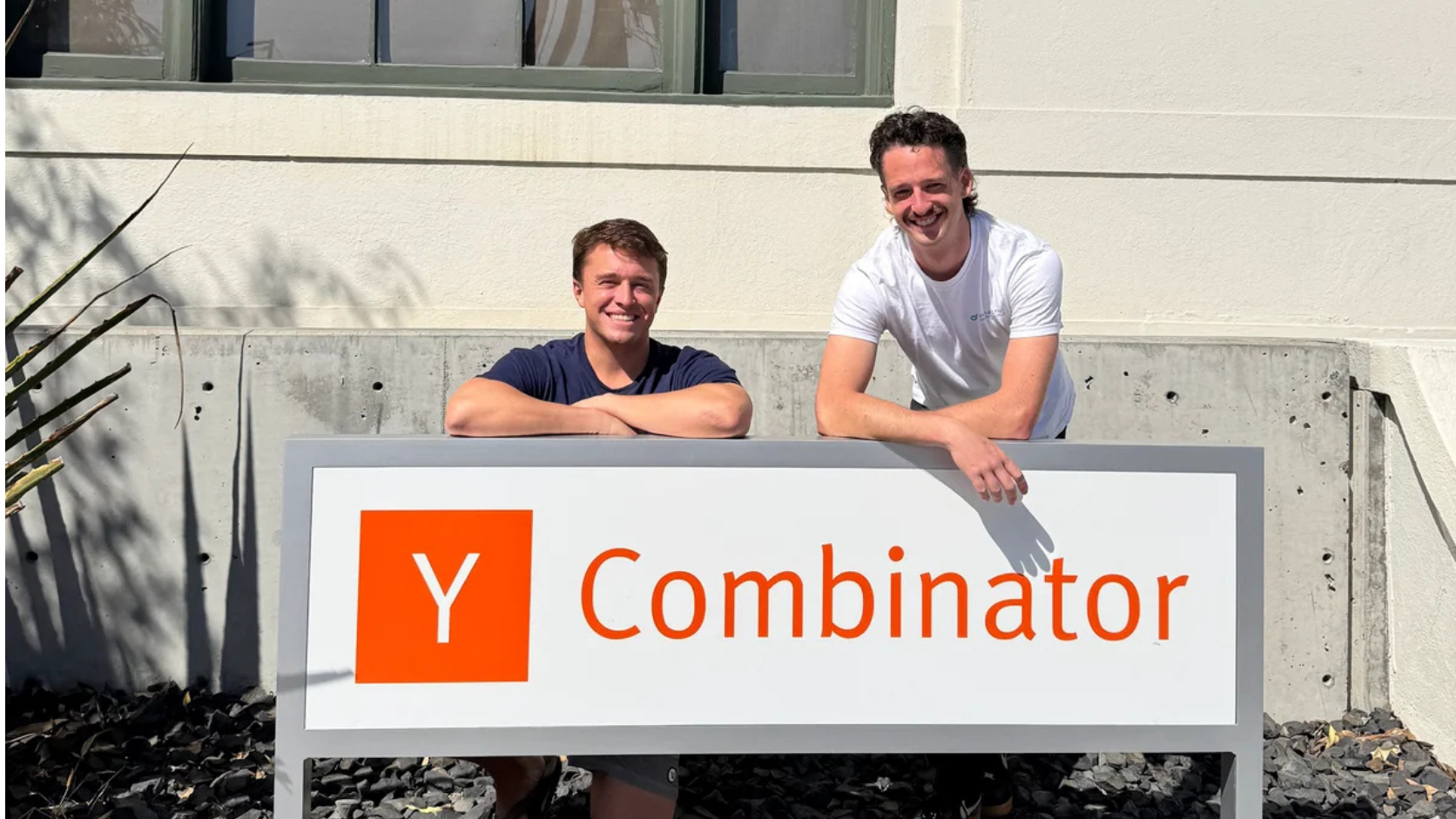
Inflection Space Systems has an unusually large production target for a company still preparing its first launch: 10,000 spacecraft a year by 2031. The Los Angeles startup is developing standardized spacecraft and an automated factory together, aiming to make manufacturing repeatable before it tries to make it enormous.
The timing is important. Inflection says it has booked its first launch for the first quarter of 2028 and is accepting payload customers. The 2031 production figure is an ambition, not an operating factory’s current output or a backlog of confirmed orders.
Its launch announcement frames the problem as a mismatch between plans for more activity in orbit and the industry’s ability to build enough spacecraft. Inflection’s proposed response is to design vehicles specifically for automated production, drawing on robotics and components used in terrestrial manufacturing rather than treating every spacecraft as a largely bespoke assembly.
That approach puts the factory into the product-design process. A part that works in space but is difficult to assemble repeatedly can create a manufacturing bottleneck. Standardization gives the team a chance to simplify that process, although it also requires deciding which customer requirements its common platform will accommodate.
The startup says it is developing the hardware and software in-house with volume and cost in mind. According to its announcement, more than half of the stack has been built, including flight and ground software. That is a reported development milestone, not evidence that a complete spacecraft has been qualified or flown.
Watch Inflection Space Systems’ launch presentation.
Inflection also describes plans to automate work across supply-chain coordination, metal cutting and testing, with AI supporting the process. The significance of that scope is operational: high output would require more than speeding up final assembly. Parts have to arrive, inspections have to keep up and each completed vehicle has to pass its checks.
Co-founders Alex Lisso and Matt Hanley bring experience from spacecraft companies to that manufacturing problem. Lisso’s public background includes Millennium, Rocket Lab, Planet and Interlune. Hanley worked on integration and test automation at Loft and on Rocket Lab’s Lunar Photon mission, according to the team’s public YC profiles.
The company was founded in 2025 and is part of Y Combinator’s Fall 2026 batch. Its team is pursuing a longer development cycle than a software startup can typically demonstrate in a launch post: the first flight remains ahead, while the factory plan extends several years beyond it.
The central question is how much of the production system can be proven before demand reaches the scale Inflection anticipates. A standardized vehicle may simplify repeat orders, but it does not by itself establish customer demand, flight reliability or the rate at which a factory can deliver finished hardware.
For now, the nearer checkpoint is the booked 2028 mission. It gives potential payload customers a specific schedule to evaluate and gives Inflection a first flight around which to organize development and testing. The gap between that mission and its 2031 target is where the company will have to demonstrate that a spacecraft designed for manufacturing can become a spacecraft manufactured by the thousands.
Lorem ipsum dolor sit amet, consectetur adipiscing elit. Suspendisse varius enim in eros elementum tristique. Duis cursus, mi quis viverra ornare, eros dolor interdum nulla, ut commodo diam libero vitae erat. Aenean faucibus nibh et justo cursus id rutrum lorem imperdiet. Nunc ut sem vitae risus tristique posuere.

Built for Delaware C-Corps. Trusted by 2,000+ startups.












Copyright © Fondo (BloomJoy, Inc.)