.png)
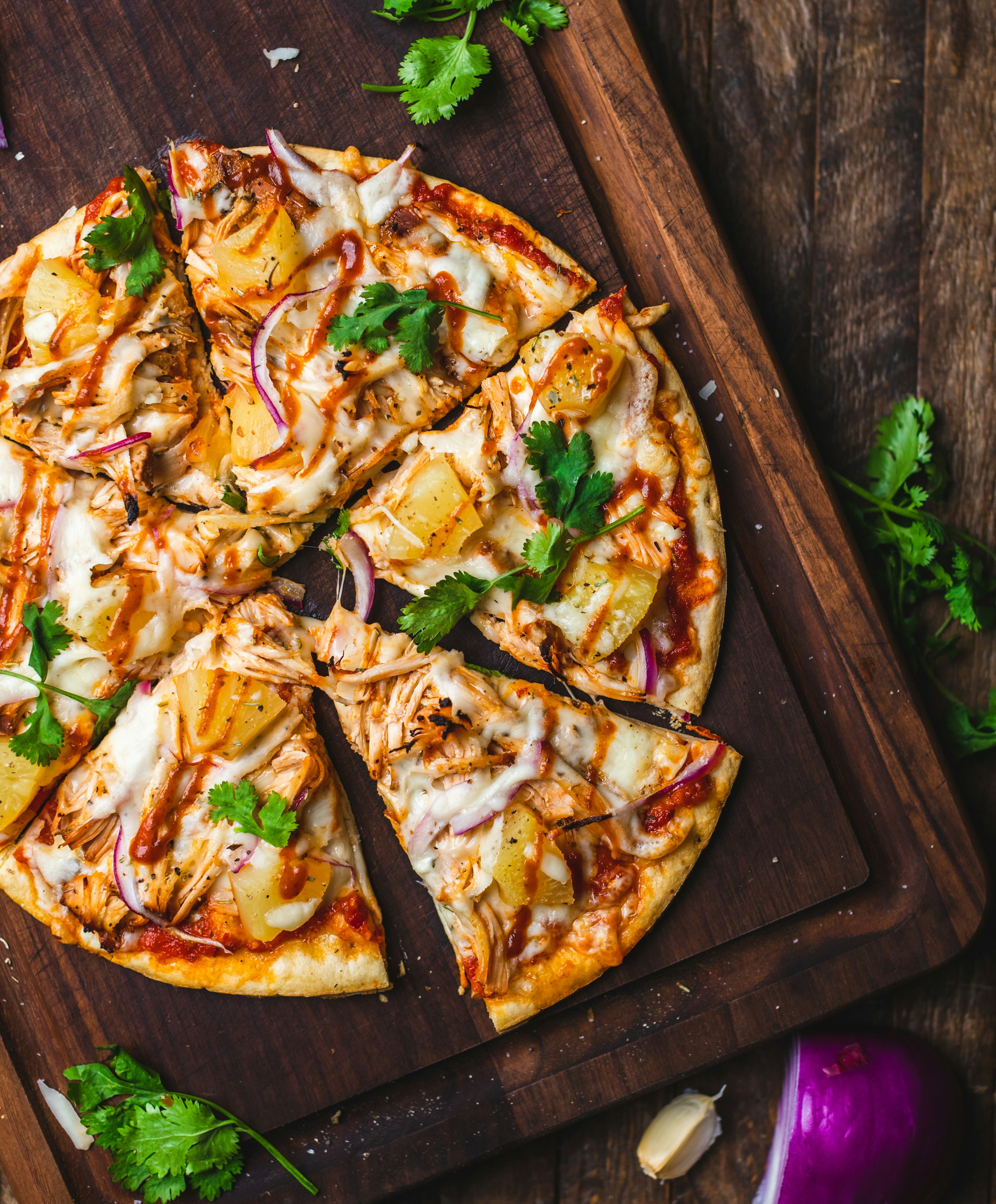
Italy captivates visitors through two distinct but equally compelling elements: culinary artistry and historical magnificence. The concept of "gusto" represents Italian passion for food, quality ingredients, and the cultural significance of dining, while Pompeii stands as an ancient Roman city frozen in time by Mount Vesuvius's eruption in 79 AD. Both embody essential aspects of Italian identity-one celebrates living traditions of gastronomy, while the other preserves the historical foundation of modern Italian culture.
The marriage of ancient culinary practices with contemporary dining creates a uniquely Italian experience that transcends time. Traditional Italian cooking techniques have evolved over centuries while maintaining core principles of ingredient quality and preparation methods. These principles manifest in establishments like La Bettola Del Gusto, where chefs meticulously select seasonal ingredients to create dishes that honor regional heritage.
Italian gastronomy emphasizes the social aspect of meals, considering dining a communal activity rather than mere sustenance. This philosophy explains why restaurants like La Bettola Del Gusto receive praise for their atmosphere conducive to conversation, with well-spaced tables and ambient music that enhances rather than overwhelms the experience. The physical environment becomes as important as the food itself, creating spaces where relationships flourish alongside culinary appreciation.
Authentic Italian restaurants maintain schedules that respect traditional dining patterns, often closing between lunch and dinner services to ensure proper preparation. This commitment to quality over quantity represents a fundamental aspect of Italian culinary identity that resists modern pressures for constant availability. By preserving these rhythms, restaurants connect diners to cultural practices that have defined Italian communities for generations.
Italian "gusto" encompasses far more than taste-it represents a holistic approach to food that celebrates regional diversity and ingredient integrity. This philosophy manifests through careful attention to sourcing, with many establishments developing relationships with local producers to secure the finest seasonal offerings. These connections ensure dishes reflect authentic regional character while supporting sustainable agricultural practices.
The balance between tradition and innovation defines contemporary Italian cuisine at its finest. Chefs honor classic recipes while incorporating creative elements that keep dishes relevant to modern palates. This delicate equilibrium allows Italian cuisine to evolve without losing its essential character, creating experiences that feel both familiar and surprising.
Professional service completes the Italian dining experience, with staff trained to anticipate needs without intruding on conversations. Reviewers consistently highlight this attentive yet unobtrusive approach as a distinguishing feature of exceptional establishments. The choreography between kitchen and dining room creates seamless experiences where every element contributes to the overall enjoyment.
Authentic Italian restaurants prioritize several fundamental elements that distinguish them from imitations. These qualities create memorable dining experiences that transport guests to Italy regardless of their physical location:
The most successful Italian restaurants create environments where these elements come together seamlessly, allowing diners to experience true "gusto" in all its dimensions. This holistic approach transforms meals from simple nourishment into cultural experiences that connect guests to centuries of tradition.
Pompeii offers an unparalleled window into daily Roman life before time abruptly stopped on August 25, 79 AD. Mount Vesuvius erupted with catastrophic force that day, burying Pompeii and neighboring Herculaneum under layers of volcanic ash and pumice. This disaster claimed countless lives while paradoxically preserving an entire city for future generations to study and appreciate.
The city remained hidden beneath its ashen blanket until 1748, when King Charles of Bourbon of Naples ordered excavations to begin. What emerged was extraordinary-an entire Roman city frozen in time, with streets, buildings, and personal artifacts remarkably intact. The only contemporary account of the eruption comes from Pliny the Younger, whose letters to historian Tacitus describe the event that claimed his uncle's life.
Archaeological evidence reveals sophisticated urban planning that would impress even by modern standards. Public baths featured complex heating systems circulating hot water through walls and under floors, while aqueducts delivered fresh water to public fountains throughout the city. The Forum, once the bustling heart of civic life, remains bordered by government buildings, temples, and market stalls that illustrate how commerce, politics, and religion seamlessly integrated in Roman society.
The volcanic calamity that destroyed Pompeii paradoxically created an unparalleled snapshot of ordinary Roman life. Unlike other ancient sites that gradually declined over centuries, Pompeii's sudden burial froze a normal day in progress, preserving details that would otherwise have been lost to time. Streets still bear ruts from cart wheels, while walls showcase vivid political advertisements and personal graffiti that humanize ancient residents.
Pompeii's homes particularly fascinate modern visitors through their remarkable preservation and insight into Roman domestic life. Modest apartments housed working-class families, while elaborate villas belonged to wealthy citizens who enjoyed luxurious private spaces. The House of the Vettii and House of the Faun showcase stunning mosaic floors, frescoed walls depicting mythology and daily scenes, and atriums designed to collect rainwater in central pools.
Perhaps most touching are the personal artifacts preserved by the ash-loaves of bread in ovens, jewelry left on tables, and tools abandoned mid-use. These intimate glimpses into interrupted lives create powerful emotional connections across millennia, reminding visitors that despite cultural differences, human experiences remain fundamentally similar. The plaster casts of victims provide particularly moving testimony to the disaster's human toll.
Maintaining Pompeii presents extraordinary challenges that require balancing accessibility with conservation. The site faces threats from multiple sources that endanger its continued existence as an archaeological treasure:
Modern conservation efforts employ cutting-edge technology alongside traditional techniques to address these challenges. Digital mapping creates comprehensive records of the entire site, while specialized mortars compatible with ancient materials repair structural damage. Climate-controlled displays protect vulnerable artifacts, and visitor routes undergo careful management to minimize impact on the most fragile areas.
Visitors to Pompeii experience a unique juxtaposition of historical immersion and contemporary pleasure through the region's remarkable dining scene. After exploring dusty ancient streets and weathered stone structures, travelers can transition to modern restaurants where aromas of garlic, basil, and fresh seafood create sensory contrasts that heighten appreciation for both experiences. This complementary relationship enriches understanding of Italian cultural continuity across millennia.
La Bettola Del Gusto exemplifies this connection between past and present through its location near the archaeological site and its commitment to traditional culinary practices. Earning the prestigious Travelers' Choice award in 2024, this establishment consistently receives exceptional reviews that place it within the top 10% of properties on Tripadvisor. The restaurant embraces inclusivity with vegetarian, vegan, and gluten-free options while maintaining authentic Italian flavors.
The restaurant operates with a thoughtful schedule that respects traditional Italian dining patterns, opening for lunch from 12:30 PM to 3:00 PM and dinner from 7:30 PM to 11:00 PM most days. This approach allows for proper preparation between service periods while accommodating visitors exploring the archaeological site during daytime hours. Nearly 3,000 reviews culminating in a 4.6/5 rating confirm that this balance between tradition and accessibility resonates with diners.
The concentration of quality restaurants transforms Pompeii from a day-trip destination into a potential culinary getaway for travelers seeking comprehensive experiences. Several establishments offer compelling alternatives to La Bettola Del Gusto, each with distinctive approaches to Italian cuisine that complement archaeological exploration:
These diverse options allow visitors to balance archaeological discovery with gastronomic pleasure throughout their stay, creating multidimensional experiences that engage all senses. The proximity of these restaurants to the ruins facilitates efficient itineraries that maximize both educational and culinary opportunities.
Archaeological evidence from Pompeii itself reveals sophisticated Roman appreciation for food that forms the foundation of modern Italian cuisine. Excavated kitchens contain cooking implements surprisingly similar to those used today, while carbonized food remains demonstrate a diet rich in bread, olive oil, wine, and Mediterranean produce. These discoveries establish clear continuity between ancient practices and contemporary traditions.
Modern Italian cuisine preserves this ancient foundation while incorporating centuries of regional development and foreign influence. The cornerstone remains unwavering respect for ingredients and their terroir-the environmental factors that affect a crop's qualities. Exceptional establishments play crucial roles in preserving culinary heritage by sourcing traditional products that might otherwise disappear from modern markets.
Examination of contemporary menu items reveals historical threads connecting past and present gastronomic practices. Pasta dishes featuring anchovies, truffles, and local cheeses represent evolutions of ancient Roman combinations that similarly paired preserved fish with prized fungi and dairy products. These connections demonstrate how culinary traditions evolve while maintaining essential character across centuries.
The most satisfying Italian experiences combine historical appreciation with sensory pleasure in ways that deepen understanding of cultural continuity. Visitors who balance time between archaeological exploration and culinary discovery gain richer perspectives on Italian identity than those who focus exclusively on either aspect. This integrated approach allows travelers to connect intellectually and emotionally with both past and present manifestations of Italian excellence.
Planning an effective visit requires thoughtful scheduling that accounts for both archaeological and gastronomic priorities. Many experienced travelers recommend entering the archaeological site early to avoid crowds and afternoon heat, then transitioning to lunch at quality restaurants where reflection and conversation can enhance understanding of the morning's discoveries. This natural rhythm creates complementary experiences that reinforce rather than compete with each other.
Local restaurants often serve as information hubs where staff provide insider tips about less-crowded times to visit certain areas of the ruins or recommend nearby attractions. This informal knowledge-sharing creates value beyond the meal itself, helping visitors optimize their time in the region and discover experiences they might otherwise miss. The hospitality industry and archaeological site function as partners in providing comprehensive visitor experiences.
Creating a memorable experience at Pompeii requires strategic planning that balances archaeological exploration with physical comfort and culinary enjoyment. These practical recommendations help visitors maximize their time while avoiding common pitfalls:
Following these recommendations creates balanced experiences that satisfy intellectual curiosity while honoring physical needs for rest and nourishment. This approach transforms potentially exhausting sightseeing into meaningful engagement with both historical and contemporary aspects of Italian culture.
Authentic Italian dining experiences share distinctive characteristics that transcend specific restaurants or regions. Understanding these elements helps visitors recognize and appreciate establishments that truly embody the concept of "gusto" rather than merely imitating Italian cuisine:
Restaurants embodying these qualities create memorable experiences that transcend ordinary dining, connecting guests to centuries of Italian culinary tradition. These establishments serve as cultural ambassadors that communicate Italian values through food, service, and atmosphere.
The juxtaposition of Pompeii's ancient ruins and vibrant culinary culture offers profound insights into Italy's unique relationship with history and tradition. Both elements demonstrate the Italian genius for elevating life's essentials-shelter and sustenance-into expressions of artistry and community that continue to resonate with modern audiences. This cultural continuity provides valuable lessons about balancing preservation with innovation.
Pompeii shows how Romans integrated beauty into everyday existence through architecture, decorative arts, and urban planning that prioritized both functionality and aesthetics. Similarly, exceptional restaurants transform mere nourishment into multi-sensory experiences that celebrate craftsmanship and connection. Both aspects reflect passionate commitment to quality and attention to detail that distinguish Italian cultural contributions across centuries.
Perhaps the most valuable lesson from both Pompeii and Italian culinary tradition is the importance of mindfulness-taking time to notice details, appreciate craftsmanship, and fully experience the present moment. Whether examining a perfectly preserved mosaic or savoring a meticulously prepared pasta dish, visitors are invited to slow down and engage their senses completely. This timeless wisdom becomes increasingly relevant in our distracted age.
The experiences of Pompeii and authentic Italian dining offer inspiration that extends beyond vacation memories into everyday life. These practical approaches help incorporate Italian principles into regular routines:
Adopting these principles creates more satisfying daily experiences while honoring the cultural wisdom embedded in Italian approaches to food and community. The integration of past and present that defines Italian excellence offers a model for meaningful living that transcends specific locations or occasions.
Active participation in both historical appreciation and culinary traditions helps preserve cultural heritage for future generations. By supporting authentic experiences rather than superficial imitations, visitors contribute to the economic sustainability of practices that might otherwise disappear under commercial pressure. This engagement creates value beyond individual enjoyment, helping maintain cultural diversity in an increasingly homogenized world.
The preservation of Pompeii allows us to understand our shared human heritage, while the cultivation of "gusto" ensures the continuation of living traditions. Together, they offer complementary perspectives on cultural endurance-both the artifacts left behind and the traditions passed forward. For visitors, this dual experience creates a uniquely satisfying journey through time that connects past achievements with present pleasures.
Thoughtful travelers who engage deeply with both historical sites and culinary traditions become cultural ambassadors who share authentic experiences with others. These connections extend the impact of Italian excellence beyond geographic boundaries, creating appreciation that supports continued preservation and innovation. The conversation between past and present continues through each person who experiences and shares these distinctive aspects of Italian culture.
Lorem ipsum dolor sit amet, consectetur adipiscing elit. Suspendisse varius enim in eros elementum tristique. Duis cursus, mi quis viverra ornare, eros dolor interdum nulla, ut commodo diam libero vitae erat. Aenean faucibus nibh et justo cursus id rutrum lorem imperdiet. Nunc ut sem vitae risus tristique posuere.

Built for Delaware C-Corps. Trusted by 2,000+ startups.












Copyright © Fondo (BloomJoy, Inc.)