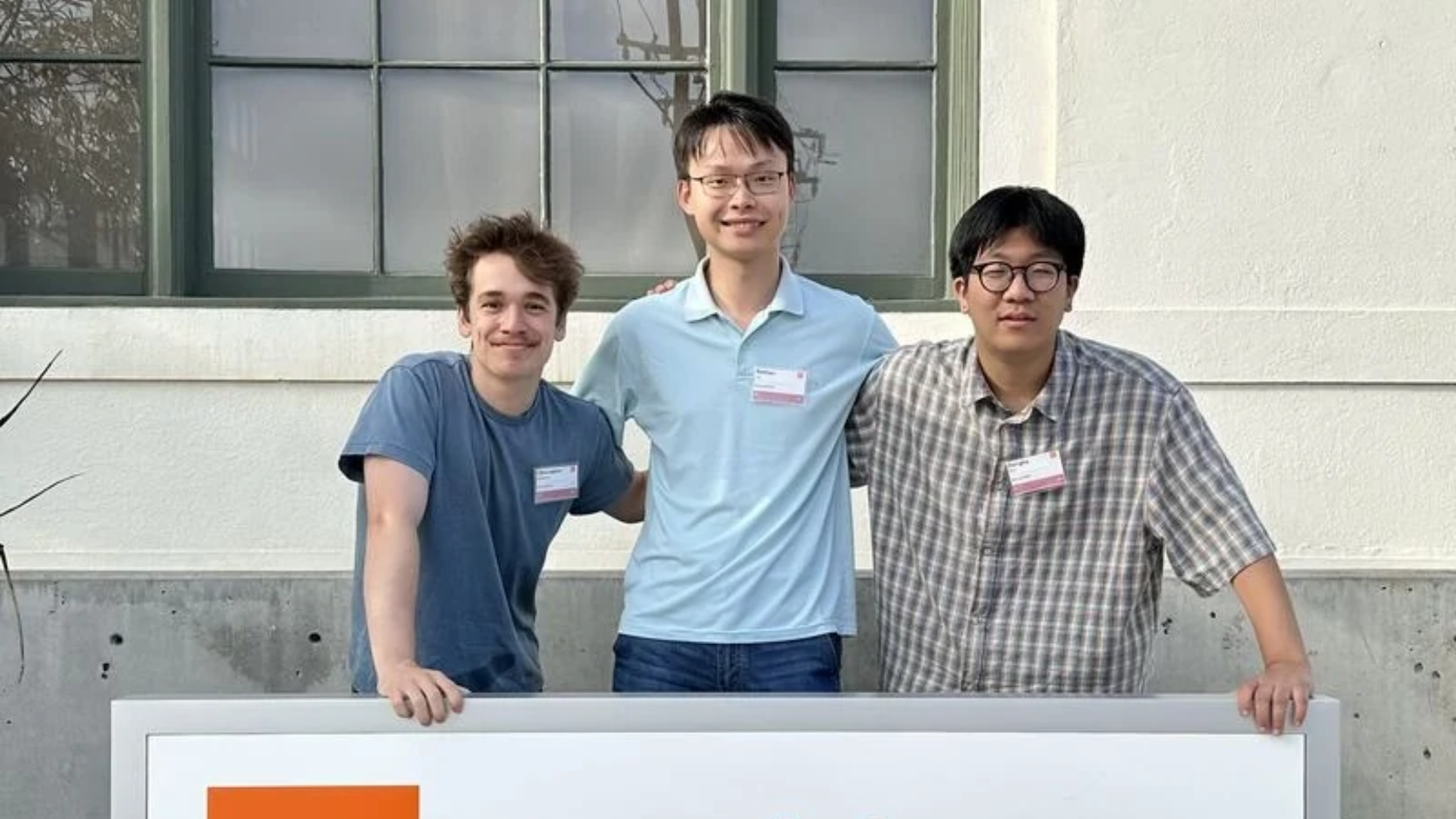
Dualizer is building AI-assisted physics simulation software for the decisions that shape a production plant: what equipment to install, how to operate it and where to intervene when output falls short. The Fall 2026 Y Combinator company is targeting process industries, from food and medicines to fuels and advanced materials.
Its founders met while studying chemical engineering at UC Berkeley in the class of 2027. Their background combines process modeling, physics-based simulation and machine learning. The team says it chose to build the company rather than continue along planned doctoral paths.
Building reliable models remains slow and specialized, according to Dualizer. Modeling a plant and evaluating improvements can be slow, manual and dependent on specialized expertise, while the consequences of an equipment choice or operating condition can persist for years.
Dualizer aims to automate process modeling, simulation and optimization. Engineers can begin with a process diagram, available operating data or an engineering objective. The software uses those inputs to build a physics-based digital twin, a model intended to represent how the process operates rather than simply reproduce the appearance of a facility.
The startup describes three related uses. For a new production line, an engineer can examine equipment sizes, operating conditions and constraints before committing capital. For an existing plant, the software can help identify bottlenecks and evaluate changes to yield, throughput, energy use or production cost. It also connects those engineering choices to equipment costing, layout planning and techno-economic analysis.
Those tasks involve tradeoffs rather than a single answer that is always best. Increasing throughput, for example, is a different objective from minimizing energy use. Dualizer's stated approach is to compare alternatives within the actual operating constraints of a plant, helping engineers understand what a proposed improvement would require.
The company's simulation and optimization engine accounts for thermodynamics, material and energy balances, equipment behavior and operating limits. It also uses physics-informed machine learning to refine models using plant data. The distinction matters: Dualizer is presenting AI as part of an engineering modeling system, not suggesting that a text response can replace the physical rules a manufacturing process must obey.
Its ambition is broad, spanning both startups commercializing new processes and established manufacturers improving existing facilities. The immediate stage is more concrete. Dualizer is seeking pilot teams in chemicals, food and beverages, fuels, medicines and advanced materials.
The launch does not publish completed customer results or quantified savings from those pilots. Its case therefore rests on the proposed workflow and the opportunity to test that workflow against real production constraints, not on an independently verified improvement in a specific plant.
The team is asking for introductions to engineers, plant managers and founders responsible for scaling production, increasing output or reducing energy and material costs. Those are the users whose diagrams, operating data and economic priorities would determine what a useful simulation needs to answer.
Lorem ipsum dolor sit amet, consectetur adipiscing elit. Suspendisse varius enim in eros elementum tristique. Duis cursus, mi quis viverra ornare, eros dolor interdum nulla, ut commodo diam libero vitae erat. Aenean faucibus nibh et justo cursus id rutrum lorem imperdiet. Nunc ut sem vitae risus tristique posuere.

Built for Delaware C-Corps. Trusted by 2,000+ startups.












Copyright © Fondo (BloomJoy, Inc.)