.png)


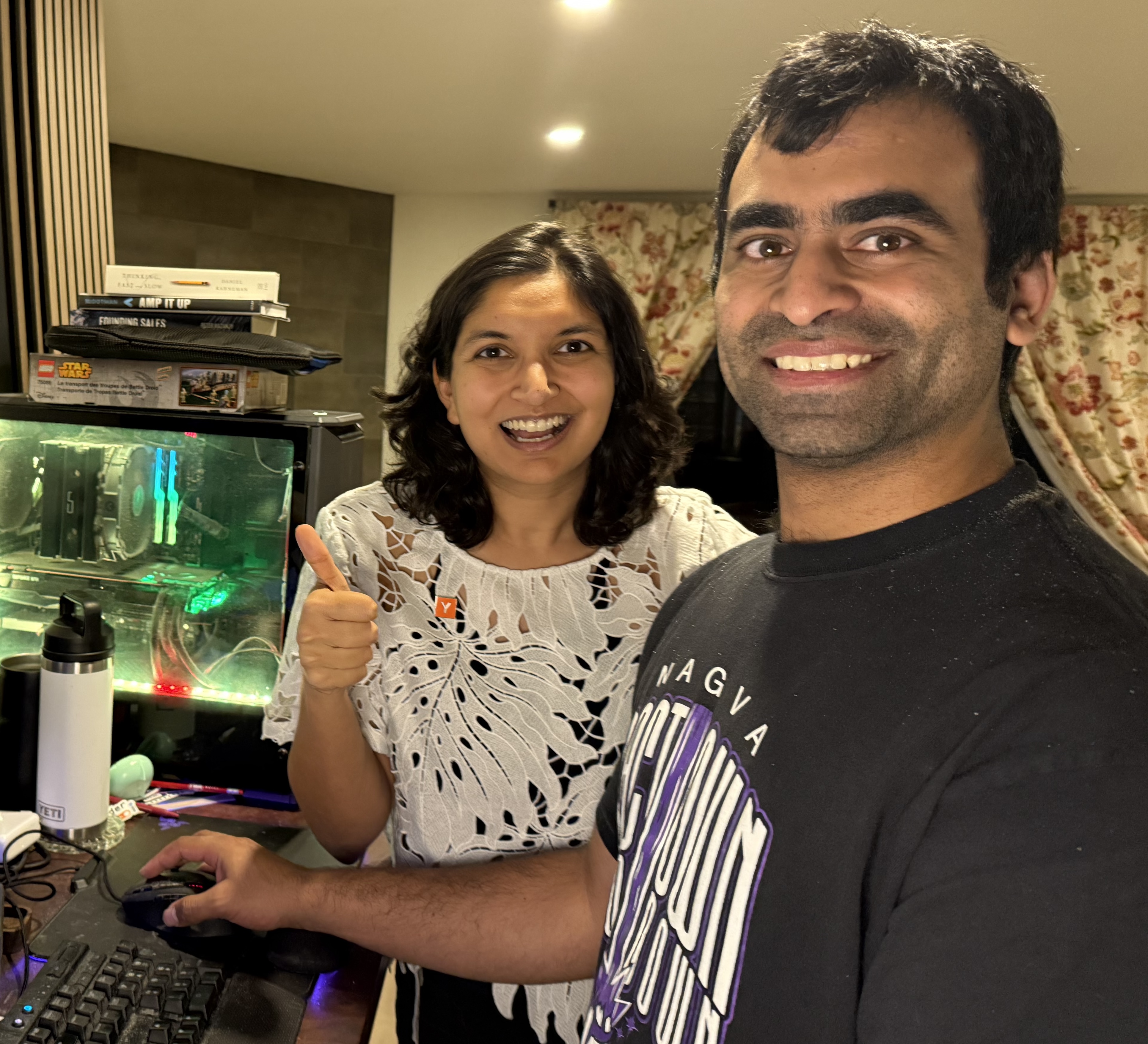
Founded by Mitch Radhuber & Shipra Jha
Before Corelayer, they built data infrastructure at Goldman Sachs where they spent many late nights and weekends debugging systems that processed 100s of billions of rows a day.
All engineers hate being on call. Production issues kill velocity, erode user trust, and become more and more costly as companies scale.
Fortune 100s spend $100M+/year on first-line-of-defense production support.
Smaller companies can’t afford to burn scarce engineering resources on time-consuming support and maintenance.
If you’re a backend engineer at a fintech, you probably own a service that queries data, applies some business logic, and stores the result somewhere (i.e., a data pipeline).
When this service is running in production, you’ll see two failure modes:
“Bad data” can mean anything from incorrect values to entirely missing or duplicated rows.
This is really common in certain products and industries, but you’re totally blind to these errors without monitoring data for anomalies and querying data while debugging.
In regulated environments where this problem is prevalent, production data is sensitive, which is another constraint they have to solve for.
They continuously monitor logs, metrics, and data for anomalies and use AI agents to debug, root-cause, and suggest fixes for issues.

They also filter out false positives and group related issues to reduce alert noise.

Every team is different. They take feedback from human engineers so their agents learn your systems and improve over time.

Data is especially sensitive in regulated industries. They are SOC 2 compliant, offer on-prem deployments and confidential compute (hardware-backed secure environments), and expose an audit trail of each step performed by the agent with citations.
Lorem ipsum dolor sit amet, consectetur adipiscing elit. Suspendisse varius enim in eros elementum tristique. Duis cursus, mi quis viverra ornare, eros dolor interdum nulla, ut commodo diam libero vitae erat. Aenean faucibus nibh et justo cursus id rutrum lorem imperdiet. Nunc ut sem vitae risus tristique posuere.

Built for Delaware C-Corps. Trusted by 2,000+ startups.












Copyright © Fondo (BloomJoy, Inc.)