
Passing automated checks doesn't establish that a new user can accept an invitation and reach the right workspace. Composal is building around that gap, sending browser agents through software to test whether people can actually complete their intended tasks.
The YC Fall 2026 company has launched a system that explores products from different roles and with different goals. When an agent finds a problem, Composal collects a recording, logs and reproduction steps. A coding agent can use that evidence to investigate a fix, after which Composal runs the scenario again.
The founders describe this as continual verification of user goals. The useful distinction is between inspecting the code and exercising the experience the code creates. An invitation endpoint can return successfully while the person receiving the invitation still lands in the wrong place or lacks the necessary access.
To start, a team supplies an environment and the credentials needed to use it. Composal's agents explore the product, mapping features and user journeys in parallel. The resulting knowledge becomes a set of repeatable scenarios that can continue running as the application changes.
Watch the original product demonstration.
The product's feedback loop is designed to fit alongside coding agents. Rather than delivering a bare failure notification, it aims to provide enough context for another agent to reproduce the issue, change the software and check the outcome. That makes the evidence captured during testing a substantive part of the product.
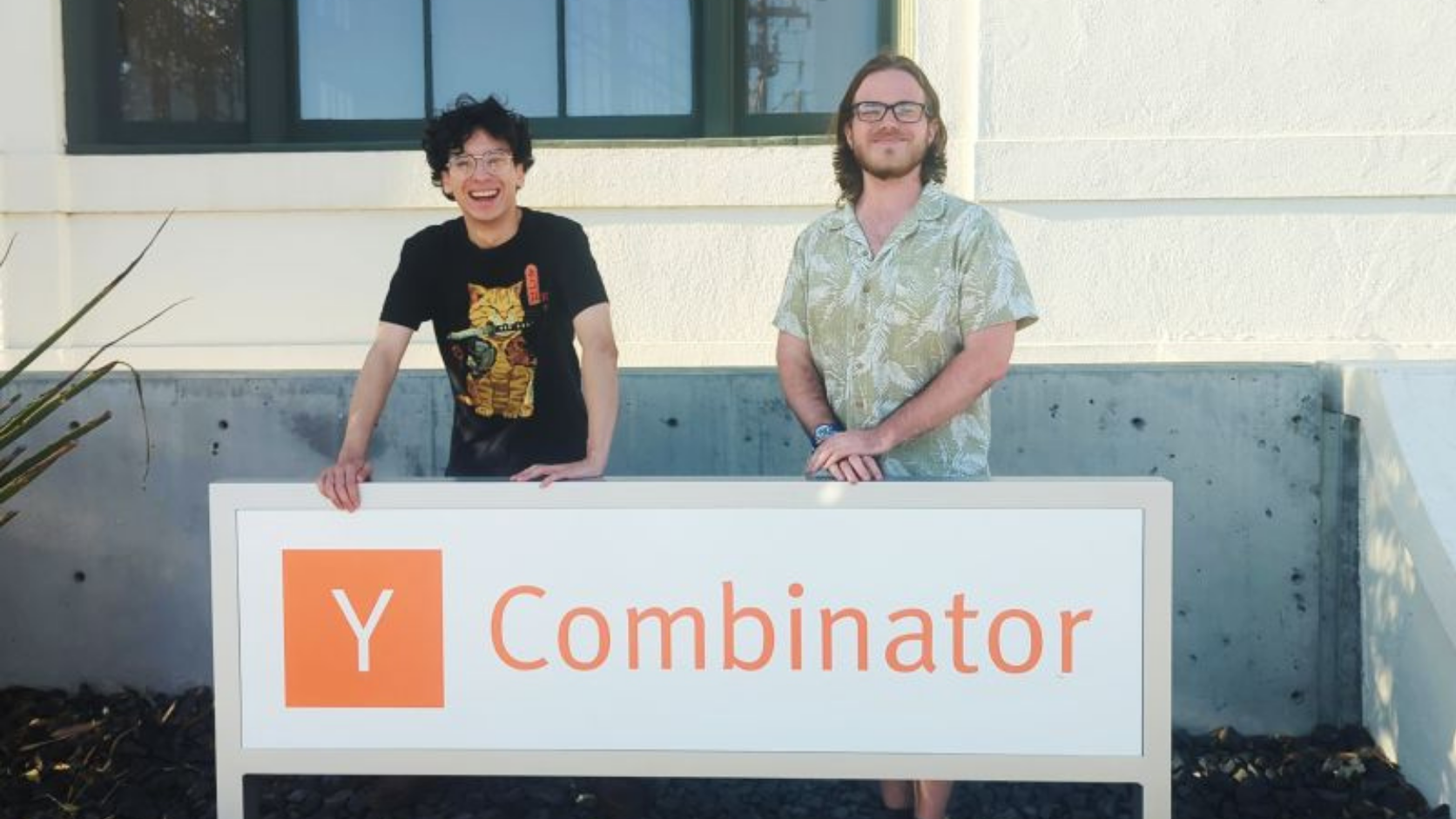
CEO Pandelis Zembashis previously served as CTO at Cosine, where he worked on AI coding agents and their supporting infrastructure. In Composal's launch, he describes a recurring experience: a team would test a newly shipped feature, then discover during customer onboarding that an older, seemingly untouched flow had broken.
His co-founders are Jonathan Davies, who built software for companies including Telefónica, Vodafone and Mitie, and Jan Moehlmann, whose commercial experience includes 11x, Encord and Tractable. The three previously worked together in London's startup ecosystem.
Their thesis is tied to the pace of agent-assisted development. If teams can generate and change software faster, checking each release by hand becomes more difficult to sustain. Existing automated tests remain useful, but Composal is focused on exploring behavior from the perspective of a person trying to accomplish something.
The announcement doesn't provide a measured bug-detection rate, customer count or comparison against a conventional test suite. It also doesn't establish that an agent can determine every important product requirement by exploration alone. Teams evaluating the system will still need to decide which environments and user goals represent a meaningful release check.
Composal's broader ambition is a software workflow in which agents build, verify, ship and improve a product with less manual intervention. The current launch centers on verification. The company is inviting teams to try it on a feature they are about to release, where a successful test has a concrete meaning: the intended user journey still works.
Lorem ipsum dolor sit amet, consectetur adipiscing elit. Suspendisse varius enim in eros elementum tristique. Duis cursus, mi quis viverra ornare, eros dolor interdum nulla, ut commodo diam libero vitae erat. Aenean faucibus nibh et justo cursus id rutrum lorem imperdiet. Nunc ut sem vitae risus tristique posuere.

Built for Delaware C-Corps. Trusted by 2,000+ startups.












Copyright © Fondo (BloomJoy, Inc.)