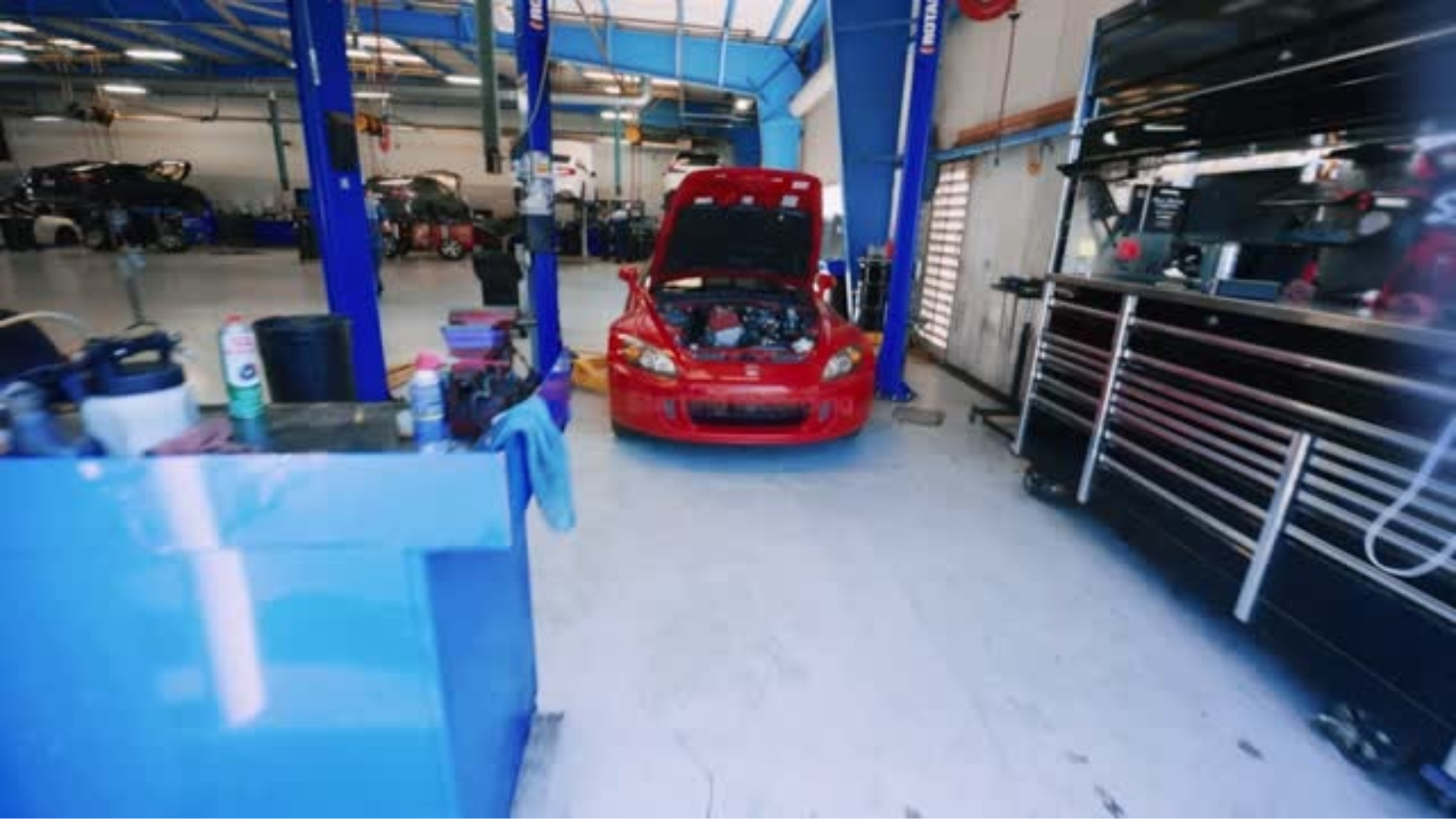
Bayworks is trying to turn work performed in a service bay into a record a dealership can use. Its software captures voice and video as technicians repair vehicles, then organizes that material around the problem, diagnosis, fix and outcome.
The startup's launch reports reaching more than 80 dealerships in 110 days, covering about 4,000 repairs daily. Those are company-reported figures, not independently audited customer or usage counts.
The idea is to collect operational knowledge while work happens. A technician may understand why a repair was performed a certain way without producing a detailed written account afterward. Voice and video offer a way to capture some of that context at the point of work.
Watch Bayworks's original launch video.
Bayworks says it verifies repairs and uses the resulting record to support dealership operations and standardization. That is a broader ambition than storing a video archive: the company wants the accumulated evidence to become a useful account of how vehicles are actually repaired.
Its website reinforces the dealership focus and presents a testimonial from Harvey Auto Group. Brand logos on the site identify manufacturers represented in the dealership market; they should not be interpreted as proof that the manufacturers themselves are Bayworks customers or partners.
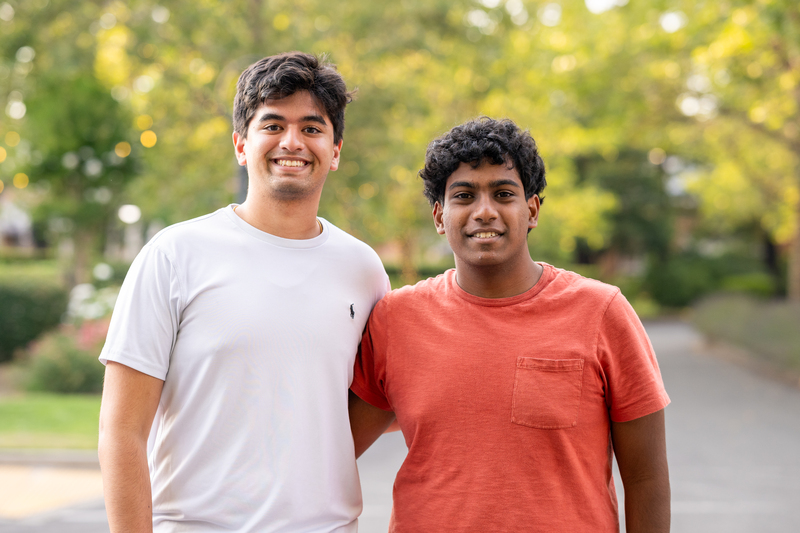
The founders bring experience from voice AI and high-volume financial software. CEO Kaustubh Bansal's public profile describes work at Sarvam, where he built voice systems deployed across government and public enterprises. He also worked in automotive retail lending, giving him exposure to another part of the vehicle business before founding Bayworks.
CTO Shubham Goyal worked on Navi's credit-underwriting engine and built the first version of Scapia's mobile application. Both studied at BITS Pilani, with Bansal in engineering and Goyal in computer science. Their earlier systems are background to the current product, not Bayworks customers or operating metrics. The YC Fall 2026 company is applying that software experience to a less structured source of information: technicians explaining what they observe while doing repair work.
Their backgrounds connect speech interfaces and production software with a workplace where a keyboard is not always the most convenient way to document a task. Capturing narration as someone works could be more natural than reconstructing the repair after the vehicle has left the bay.
The harder question is what the system can reliably infer from that record. A recording may show what happened without containing every relevant observation or test. Verification therefore needs to distinguish visible evidence from a conclusion that still requires a qualified technician.
Bayworks's launch does not disclose independent accuracy measurements, a reduction in repeat repairs or a standardized time-saving study. Its rapid-adoption claim is interesting commercial evidence if borne out, but it does not by itself establish those operational outcomes.
The company is pursuing a concrete source of data that many software products never see: the repair itself. If the resulting record is accurate and useful, it could preserve knowledge that otherwise leaves with the technician. The practical test is whether the next person handling the job can understand and act on what was captured.
Lorem ipsum dolor sit amet, consectetur adipiscing elit. Suspendisse varius enim in eros elementum tristique. Duis cursus, mi quis viverra ornare, eros dolor interdum nulla, ut commodo diam libero vitae erat. Aenean faucibus nibh et justo cursus id rutrum lorem imperdiet. Nunc ut sem vitae risus tristique posuere.

Built for Delaware C-Corps. Trusted by 2,000+ startups.












Copyright © Fondo (BloomJoy, Inc.)