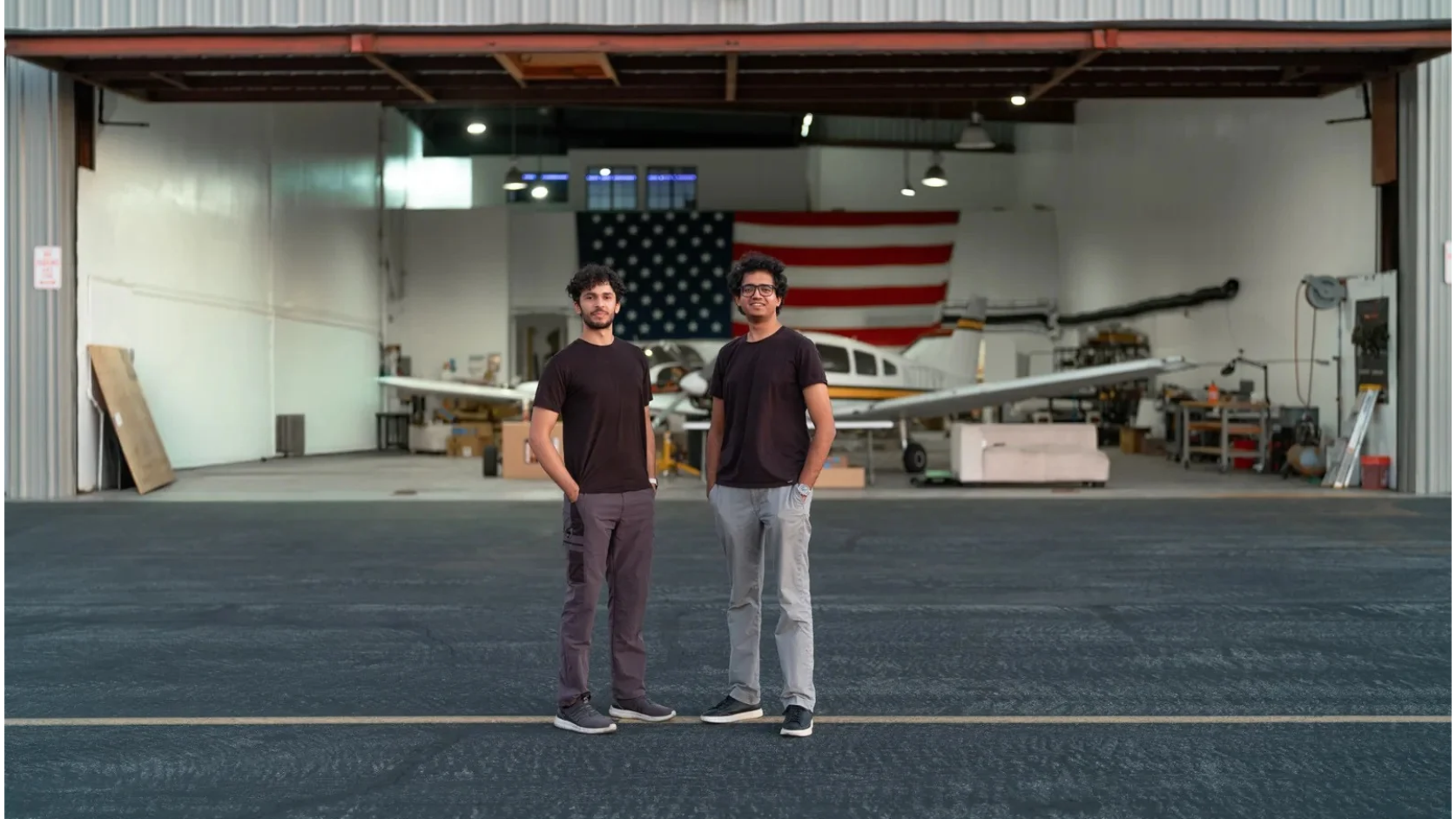
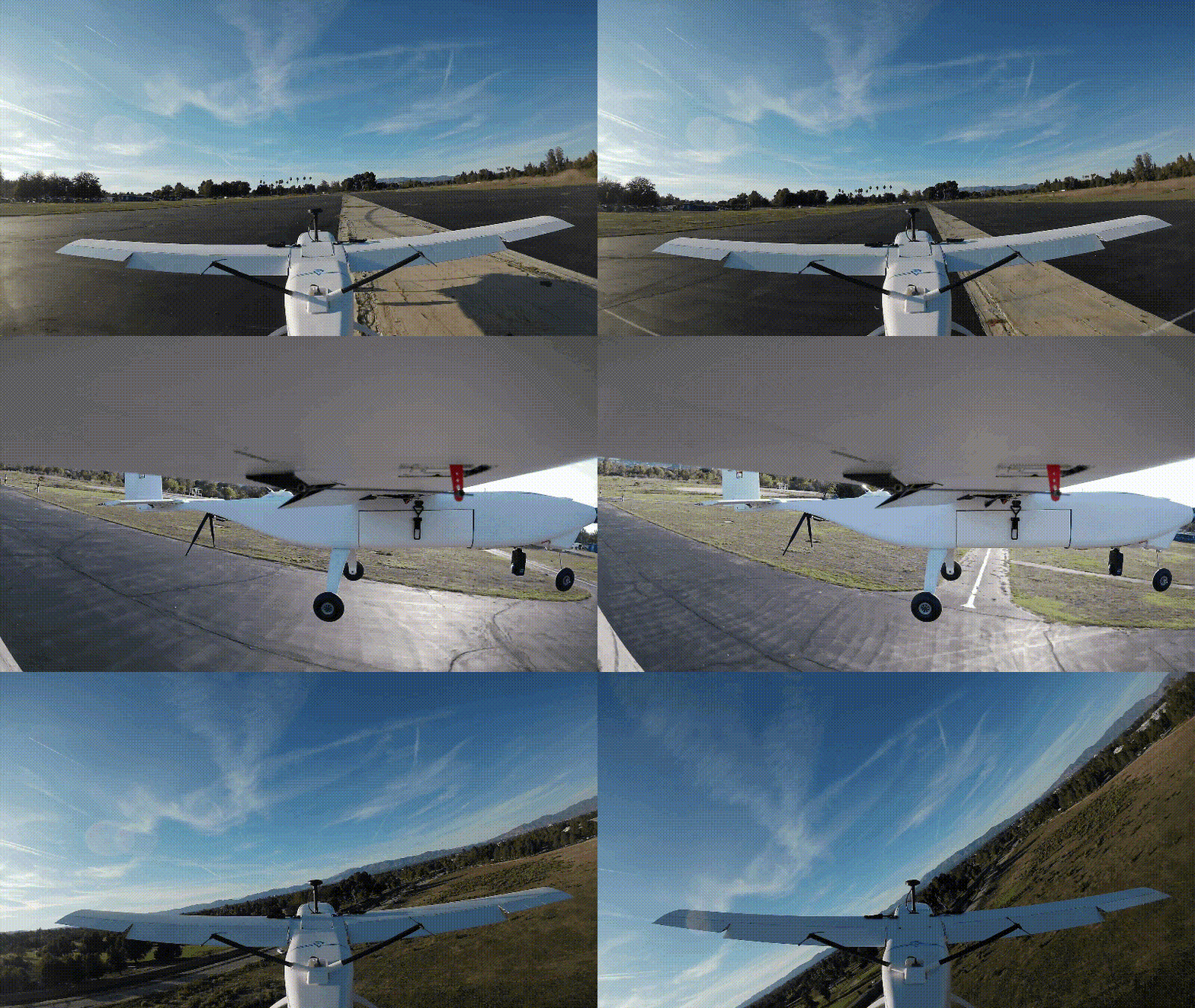
Aviern has built a scaled cargo-aircraft prototype that it says can take off, follow a route and land without a pilot in the loop. Now the startup wants to turn that autonomy into a commercial freight aircraft designed around cargo from the outset.
The YC Fall 2026 company says it designed, built and flew the composite prototype in under two months. Its website reports more than 150 miles of autonomous flight by the demonstrator. Those milestones concern a scaled test aircraft, not the larger cargo plane Aviern ultimately intends to operate.
Founders Kush Agarwal and Arvin Singh are targeting regional feeder routes and remote resupply. Their proposed commercial starting point is the movement of freight from major logistics hubs to smaller airports. They also see applications in defense logistics where a crewed flight may be expensive or expose people to risk.
Agarwal spent four years building autonomous drones at UCLA and later earned a pilot's license. His experience flying from small California airports informed the company's interest in airfields that primarily serve general aviation. Singh has spent a decade designing and building aircraft, including competing in payload-focused design and flight contests, according to the launch.
Aviern's approach removes the cockpit, seating and other accommodations for people, leaving more of the airframe available for freight. The company says it built the prototype's airframe, autopilot, perception system and ground software itself.
Watch the original aircraft demonstration.
The proposed A1000 aircraft has ambitious published specifications: a 1,000-pound payload and 1,000-mile range. Those figures describe the planned product. The public YC company profile separately says the team is working on a larger 50-pound aircraft after its scaled demonstrator, underscoring the development steps still between the existing prototype and the intended cargo platform.
The founders have set out two further milestones. They plan to fly a retrofitted small airplane autonomously by the first quarter of 2027, using it to demonstrate the autonomy system on an existing airframe. They then aim to build and fly a newly designed cargo aircraft by the first quarter of 2028, followed by commercial operations.
A working demonstrator doesn't establish that those dates will be met. The announcement does not report commercial flights, operating approvals or signed airline customers. Its references to FedEx, UPS and DHL are requests for introductions to feeder-program teams, not partnership announcements.
The broader vision extends beyond aircraft to airports that load, launch and turn around freight with minimal human involvement. That remains a long-term ambition. Aviern's current work is the aircraft and autonomy stack that such a network would require.
For prospective customers, the immediate question is narrower than whether autonomous airports are possible. It is whether Aviern can progress from the scaled aircraft already flying to a reliable cargo platform that fits real routes. The next stated test is the autonomous flight of a retrofitted airplane in early 2027.
Lorem ipsum dolor sit amet, consectetur adipiscing elit. Suspendisse varius enim in eros elementum tristique. Duis cursus, mi quis viverra ornare, eros dolor interdum nulla, ut commodo diam libero vitae erat. Aenean faucibus nibh et justo cursus id rutrum lorem imperdiet. Nunc ut sem vitae risus tristique posuere.

Built for Delaware C-Corps. Trusted by 2,000+ startups.












Copyright © Fondo (BloomJoy, Inc.)