.png)

Saphira AI recently launched!

Founded by Akshay Chalana & Oscar Avatare
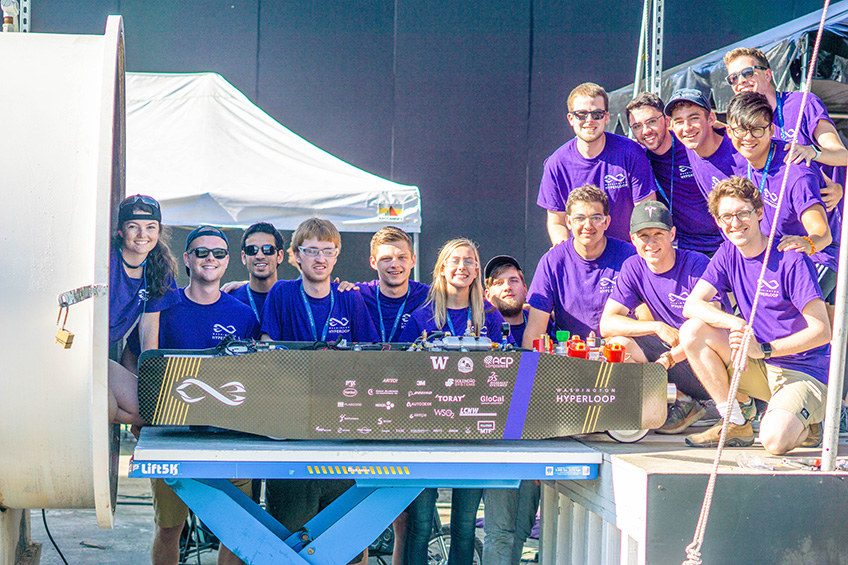
While building Hyperloop pods, they struggled with unusual and novel constraints: they had to take the propulsion, braking, and electronics of a sophisticated train and make them work perfectly in a vacuum chamber. Basic things that work in the normal world just didn’t there: network activity was severely throttled so remote control and telemetry were difficult, and electronics would arc more easily, requiring additional protections. This mandated that they put together clear product requirements that they needed to integrate and validate across the entire implementation stack, which turned out to be so hard that they struggled to get their pods working in time and faced weeks of all-nighters just to fail review and be barred from the race!
Since then, they’ve been searching for how large organizations they’ve been part of, like Tesla and Amazon, have made this easier: in truth, they haven’t! The most mature, most established industries, such as aerospace, account for this with process: intensive modeling, documentation, and data entry that innovators don’t have time for. When regulation and certification standards are put in place, products are taken off the market or endure years-long delays.
They created Saphira to empower these innovators to rapidly build complex products that actually work, all while achieving and maintaining compliance with the evolving regulatory landscape.
Saphira is a single source of truth where requirements, architecture, and tests can all be entered, parsed from existing documents, and tied together so that safety risks are identified and triaged quickly.
Saphira is the easiest way to demonstrate traceability: regulatory reports by engineers that prove that requirements like “the Hyperloop pod must not catch fire in a vacuum chamber” were implemented and validated. These reports are painful and tedious to produce: by maintaining references to all the source information for them, Saphira can automatically generate them! Most importantly, Saphira removes systems engineers as a bottleneck to updating foundational engineering data, enabling any engineer to model and report on safety and compliance, making traceability easy for any fast-moving team.
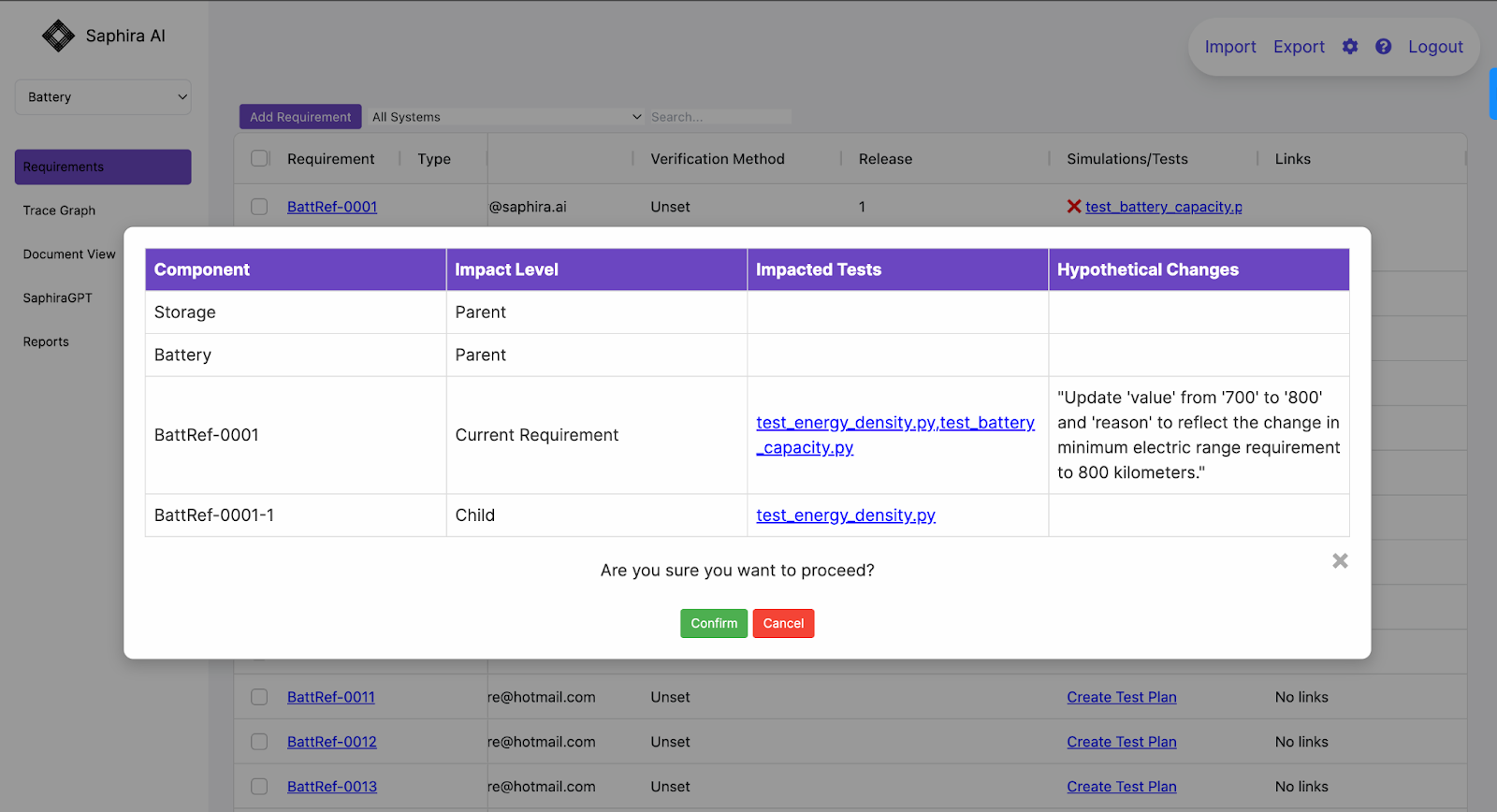
Ultimately, they see traceability as not just a regulatory requirement but an enabler for automated engineering: as engineers define the relationships they use to sync data between, say, their codebase and task management system, this can be used to automatically propagate changes across an entire system! For example, one could change the requirement for a motor to produce 200 Nm of torque to 300 Nm: since they had linked this through a formula in Saphira to the current draw requirement from the battery, they would automatically update that in the power distribution PCB schematics, short-circuiting hours of work per change!
Saphira is for engineers at innovative companies designing and building safety-critical hardware and software systems at organizations of any size:
Lorem ipsum dolor sit amet, consectetur adipiscing elit. Suspendisse varius enim in eros elementum tristique. Duis cursus, mi quis viverra ornare, eros dolor interdum nulla, ut commodo diam libero vitae erat. Aenean faucibus nibh et justo cursus id rutrum lorem imperdiet. Nunc ut sem vitae risus tristique posuere.

Built for Delaware C-Corps. Trusted by 2,000+ startups.












Copyright © Fondo (BloomJoy, Inc.)