.png)


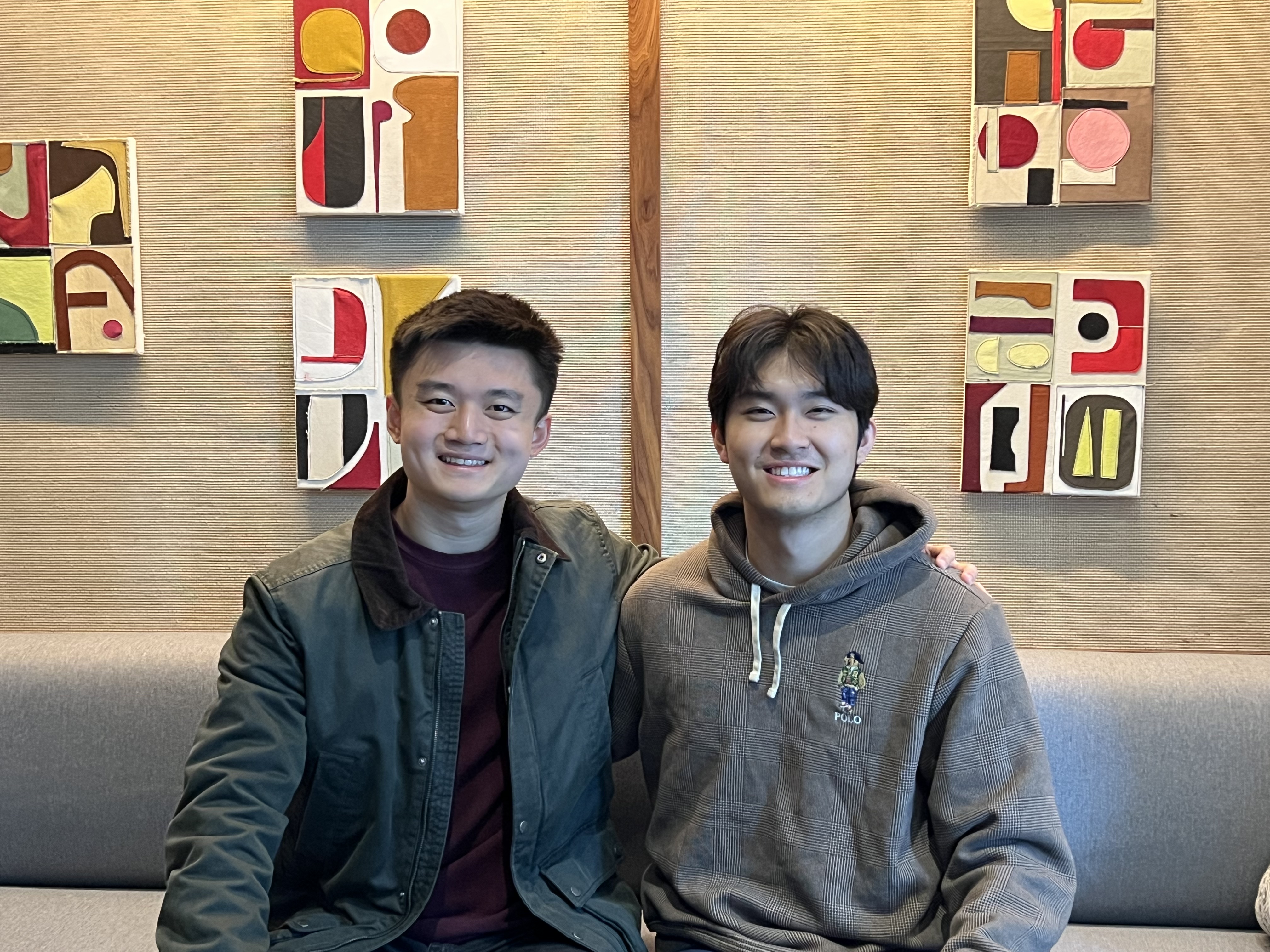
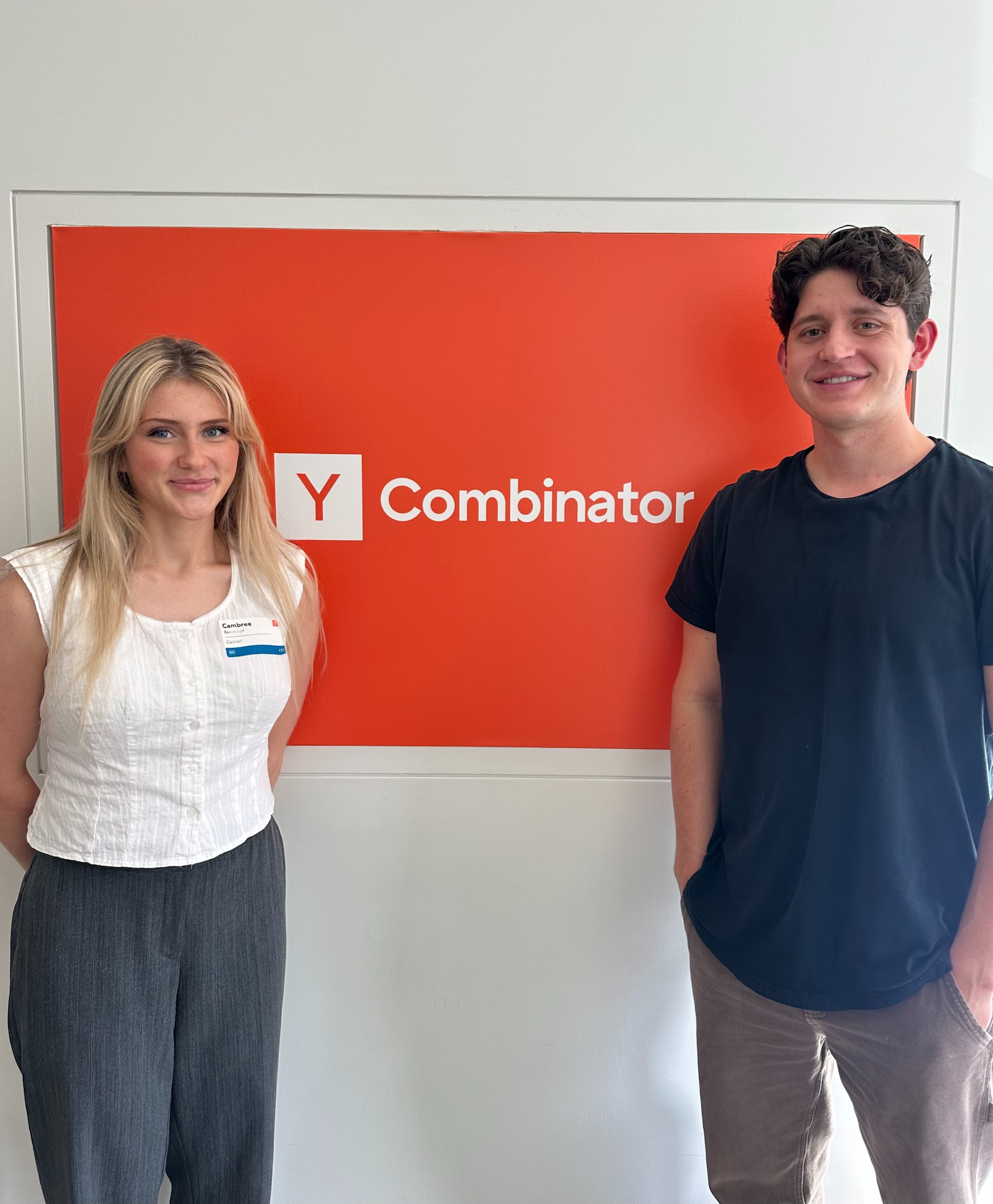
Founded by Jacob Wright & Cambree Bernkopf
Serious agents are not just a single API call. Agents need a computer.
They execute code, call tools and browsers, run for minutes instead of milliseconds, and touch sensitive systems. Most teams end up rebuilding the same fragile setup:
The result:
Good agents stall at “cool demo” instead of reaching production. Deploying agents becomes a full-time infrastructure problem.
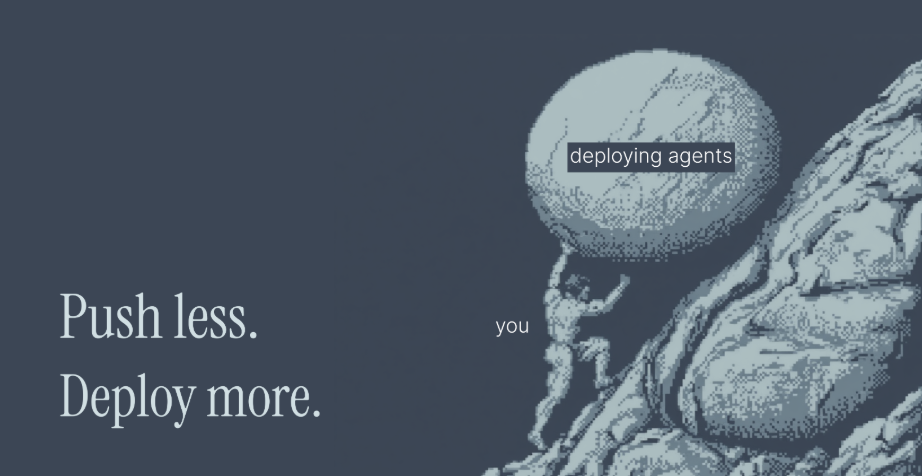
They are building Castari to be the natural runtime for AI agents built on Claude Agent SDK. They wrap the entire agent in a sandbox, deploy it, and provide you with an endpoint url that auto-scales as requests come in. No need to write code in your tools to manage your sandbox lifecycle.
In your Claude Agent SDK repo:
(entrypoint, tools, env vars)
That’s it. Your agent is now running in a secure sandbox with an endpoint, UI, and observability.
Whether that agent is:
the deployment workflow is identical and boring (in the good way).
Bottom line: You keep building on Claude Agent SDK the way you already are — for internal workflows or core products. Castari turns that into a safe, observable, production-ready runtime.
E2B, Modal, Daytona, Cloudflare (and friends) give you powerful sandbox and compute primitives.
Castari sits one layer up:
Castari wraps around your Claude Agent SDK-based agents so you can define them declaratively and run them in secure sandboxes, without owning the underlying sandbox lifecycle.
They are building the runtime they wish existed for agents.
While Jacob was leading the FDE team at RunPod:
Additionally, while @Cambree Bernkopf and him scaled their AI consumer app to 2m+ members, their biggest issues were getting their agents to work reliably in production.
The pattern is clear: agents deserve a first-class runtime, the way frontends got one.
Castari is their bet that:
They are opening a limited pilot for:
If that is you and you are tired of wrestling with sandboxes, observability, and brittle tooling:
→ Email Jacob with subject “Castari Pilot” and 2 to 3 sentences about your agent stack and use case.
→ Check out their open source repo for using any model with Claude Agent SDK on GitHub.
→ Join the waitlist on castari.com to hear about their first releases.
Lorem ipsum dolor sit amet, consectetur adipiscing elit. Suspendisse varius enim in eros elementum tristique. Duis cursus, mi quis viverra ornare, eros dolor interdum nulla, ut commodo diam libero vitae erat. Aenean faucibus nibh et justo cursus id rutrum lorem imperdiet. Nunc ut sem vitae risus tristique posuere.

Built for Delaware C-Corps. Trusted by 2,000+ startups.












Copyright © Fondo (BloomJoy, Inc.)