Versine, a Fall 2026 Y Combinator company, is building payments infrastructure for AI assistants. Its November 17 launch starts with a specific capability: an agent can help send and receive money through an MCP connection rather than handing the user off to a separate payment app for every step.
The company's broader language is ambitious, describing an agent-first consumer bank. Its current offering should be understood more narrowly. Versine's website identifies it as a financial technology company, not an FDIC-insured bank, with services provided through licensed providers.
Versine says users can connect the service to ChatGPT, Claude, Muse, Instinct or another agent. The launch describes sending money to or receiving money from up to 100 people through one prompt, with passkey approval.
It also says recipients do not need their own Versine account and can cash out to a bank. Those are company-described capabilities; the launch does not provide a full account of eligibility, geographic availability, fees or exceptions.
One feature changes the approval workflow: users can configure trusted contacts so transfers do not require an explicit approval each time. That is an optional setting described by the company, not an assumption that every agent should have unrestricted payment authority.
The distinction between initiating a payment and authorizing one is central to the product. Versine is not merely trying to make a payment form conversational. It is exposing a financial action to software that can interpret a user's broader request.
The launch presents examples of a more extensive future service: stopping unwanted trial renewals, converting currencies and handling recurring shared household bills. These illustrate the founders' vision. They are not listed as the current launch's implemented capabilities.
The product available in this announcement is focused on sending and receiving money. Keeping that boundary clear matters because a general banking interface would involve a much wider range of functions than person-to-person transfers.
Versine also advertises a $100 launch promotion. The announcement alone does not establish the full terms, so the amount should not be treated as an unconditional entitlement for every prospective user.
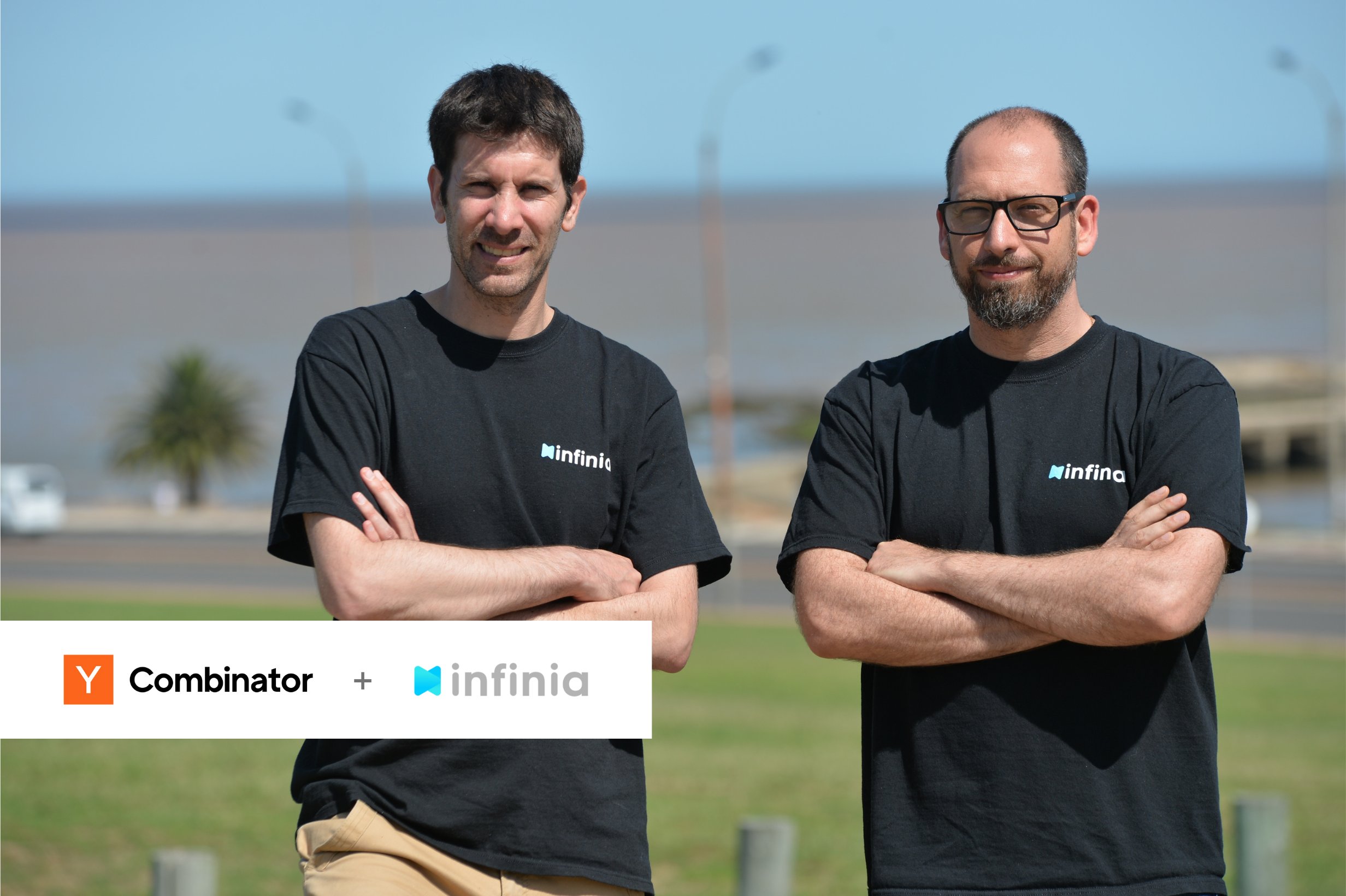
The founders are Harshith Latchupatula, Vishnudev Poil and Param Thakkar. They describe a decade of friendship, studies at the University of Waterloo and University of Toronto, and work on Stripe Connect, Databricks Vector Search and Amazon Ads.
Their thesis is that assistants need financial tools designed for them, rather than only a way to operate interfaces built for people. The first test is whether a limited payments workflow can make that useful while keeping approval choices understandable.
Versine directs interested users to its iOS and Android apps and to the agent connection. For now, the launch is best read as an agent-accessible payments product with a broader financial roadmap, not evidence that the full banking vision has already arrived.
Lorem ipsum dolor sit amet, consectetur adipiscing elit. Suspendisse varius enim in eros elementum tristique. Duis cursus, mi quis viverra ornare, eros dolor interdum nulla, ut commodo diam libero vitae erat. Aenean faucibus nibh et justo cursus id rutrum lorem imperdiet. Nunc ut sem vitae risus tristique posuere.

Built for Delaware C-Corps. Trusted by 2,000+ startups.












Copyright © Fondo (BloomJoy, Inc.)