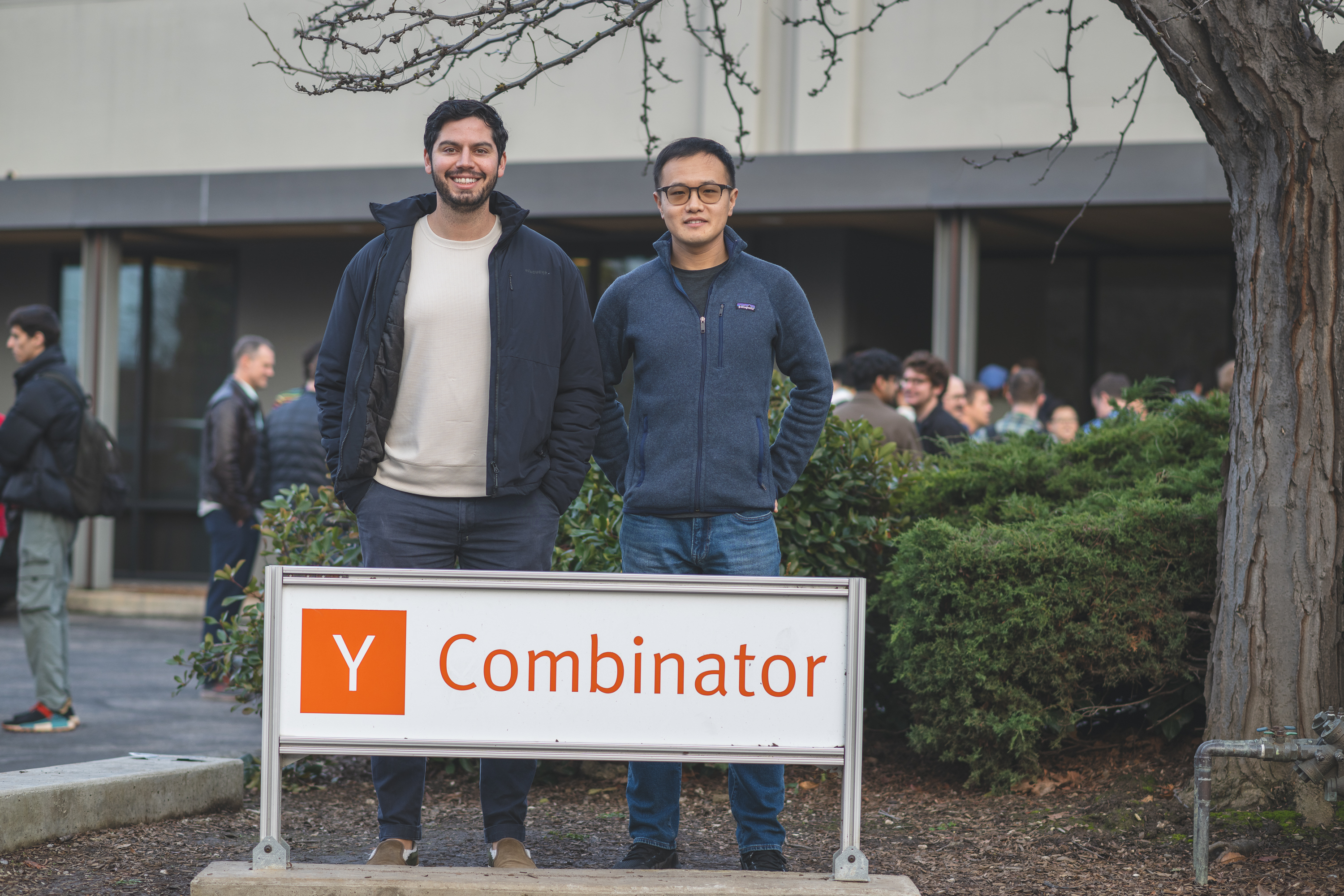
BioDelivera is developing a drug-delivery platform around a problem that sits between a therapy’s design and its effect: getting the payload into the intended cells. The startup’s Guided Chimeric Vehicles, or GCVs, are programmable nanoparticles designed to carry therapeutic material and release it inside selected targets.
The company was founded by twin sisters Ikeda Trashi and Orikeda Trashi, who describe five years of doctoral research in drug delivery as the foundation for the platform. Ikeda’s public YC profile identifies her as CEO and a biochemistry PhD from UT Dallas. Orikeda is the company’s president and cofounder.
Their launch focuses on off-target delivery. A medicine that reaches healthy tissue as well as diseased cells can create a different problem from a medicine that fails to reach its intended destination. BioDelivera’s aim is to make the delivery vehicle more selective, so the therapeutic cargo can be concentrated where it is supposed to act.
Watch the original launch video
The proposed mechanism has several stages. According to the company, GCVs assemble around therapeutic cargo, encapsulate it, bind to targeted cells after intravenous administration, enter those cells and release the cargo inside. That is the company’s description of the platform, not evidence that every proposed payload and target has been validated.
BioDelivera says it is designing GCVs to work with small molecules, RNA, DNA, proteins and gene editors, including combinations of payloads. It also describes potential targets in cancer, brain and muscle, along with other difficult-to-reach tissues. The platform ambition is therefore broader than a delivery system built for only one type of medicine.
That breadth is the central development question. A vehicle that can accommodate different payloads could support multiple therapeutic programs, but each combination of cargo, cell target and dosing strategy still needs evidence. A platform-level description does not establish that every proposed use will be effective or safe.
The company’s public YC profile says it has demonstrated efficacy in tumors, muscle and brain. The materials reviewed do not provide study methods, sample sizes or a clinical-development stage for that statement. They also do not establish regulatory approval or clinical effectiveness in patients. The launch should be understood as an account of a developing technology, not the availability of a new treatment.
The founders also describe repeated dosing and delivery of multiple therapies as goals for the platform. Those capabilities could be important to future partners, but the announcement does not publish comparative safety data, dosing results or a timeline for bringing a therapy through clinical trials. Claims about minimizing off-target effects remain ones the company must substantiate for specific applications.
BioDelivera is part of YC’s Fall 2026 batch. Its launch is centered on the delivery technology rather than a named drug candidate, commercial treatment or patient enrollment program. The company has not disclosed commercial pricing in the reviewed announcement, which instead invites conversations about the platform.
The bet is that progress in therapeutic tools can be limited by the vehicles carrying them. Rather than starting with another payload, BioDelivera is working on the route into the cell. Its next consequential evidence will concern how reliably that route works across the particular therapies and tissues the company chooses to pursue.
Lorem ipsum dolor sit amet, consectetur adipiscing elit. Suspendisse varius enim in eros elementum tristique. Duis cursus, mi quis viverra ornare, eros dolor interdum nulla, ut commodo diam libero vitae erat. Aenean faucibus nibh et justo cursus id rutrum lorem imperdiet. Nunc ut sem vitae risus tristique posuere.

Built for Delaware C-Corps. Trusted by 2,000+ startups.












Copyright © Fondo (BloomJoy, Inc.)